

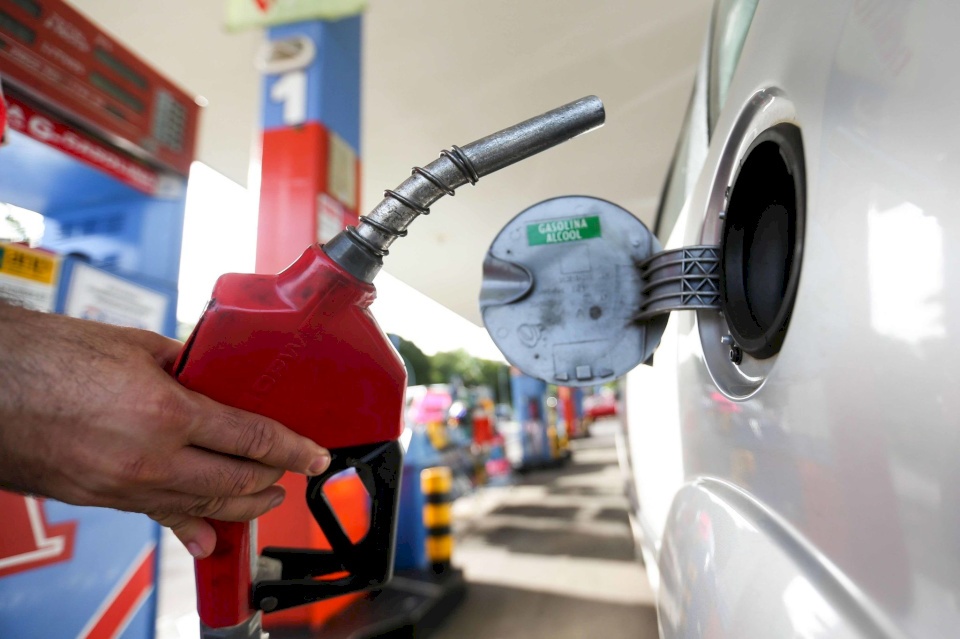
Among Oil-producing Countries: A Wave of Rising Fuel Prices Hits the Region... What About Palestine in April?
SadaNews Economy - Energy markets in the Middle East are experiencing an unprecedented wave of rising fuel prices, driven by escalating geopolitical tensions and rising global oil prices, amid warnings of larger jumps if crises continue, particularly with threats related to the closure of the Strait of Hormuz.
Rapid Increases in Regional Countries
In Egypt, the government has approved a new increase in fuel prices, with the price of 95-octane gasoline rising to 24 Egyptian pounds per liter, 92-octane to 22.25 pounds, 80-octane to 20.75 pounds, and diesel reaching 20.5 pounds. The prices of gas cylinders, along with automotive gas, have also significantly increased.
In Israel, fuel prices are expected to rise by 1.03 shekel per liter, bringing the price to 8.05 shekels per liter, marking the first significant increase in four years, reflecting a direct impact from global markets.
In Qatar, the price of Super 95 gasoline increased by 7.9%, reaching 2.05 Qatari riyals per liter, while prices for premium gasoline and diesel were held steady, reflecting a flexible pricing policy despite substantial economic resources.
Jordan has also decided to raise petroleum product prices by rates up to 14%, with 95-octane gasoline reaching around 1200 fils per liter, 90-octane gasoline around 910 fils, and diesel 720 fils, in one of the largest increases in recent times.
In the United Arab Emirates, prices recorded sharp increases, with the price of Super 98 gasoline rising by nearly 30%, while diesel jumped by about 70%, reflecting a clear impact from global market fluctuations despite being an oil-producing country.
Background of the Increase: Oil and Tensions
These increases come amid rising global oil prices, with fears of worsening crises, especially with warnings of the price per barrel reaching between 150 and 200 dollars if navigation through the Strait of Hormuz remains disrupted for several weeks, which could lead to significant disturbances in global supplies.
What About Palestine?
In light of this regional and international landscape, it is likely that fuel prices in Palestine will rise during April, given the direct link of pricing to the Israeli market.
As prices in Israel are poised to reach 8.05 shekels per liter, estimates indicate that the price of 95-octane gasoline in Palestine could exceed this level, approaching the range of 8.1 – 8.3 shekels per liter, with a higher probability of increase if global oil prices continue to rise.
Expected Effects
These increases are expected to reflect on various aspects of daily life, from transportation costs to the prices of essential goods, increasing the economic pressures on citizens, particularly amid tough economic conditions.
Summary
Indicators suggest that the entire region is entering a phase of energy-related inflation, where even oil-rich countries are no longer immune to rising prices, putting Palestine in front of a more complex economic reality at the beginning of April.
 Follow the latest Sada News via Google News
Due to "Hazardous and Counterfeit Products".. Europe Fines "AliExpress" $627 Million

Gasoline Prices Exceed $4 Again in America Amid Resumed War

What was the financial reward for Spain after winning the World Cup?

Gold Stabilizes Amid US Interest Rate Outlook

Oil Prices Climb 2% Amid Escalating Attacks Between the US and Iran in the Middle East

Israel Increases Gas Supplies to Egypt by 26% to Reach 1.2 Billion Cubic Feet Per Day

Expectations of a Delay in European Interest Rate Hike Amid War Risk Preparedness
