

Saudi Arabia Secures Half of Its Oil Exports via Alternative Route to the Strait of Hormuz
SadaNews - Saudi Arabia has already increased its oil exports to more than half of its usual levels, despite the disruptions caused by the war with Iran, indicating early success for the kingdom's ambitious emergency plan to bypass the Strait of Hormuz.
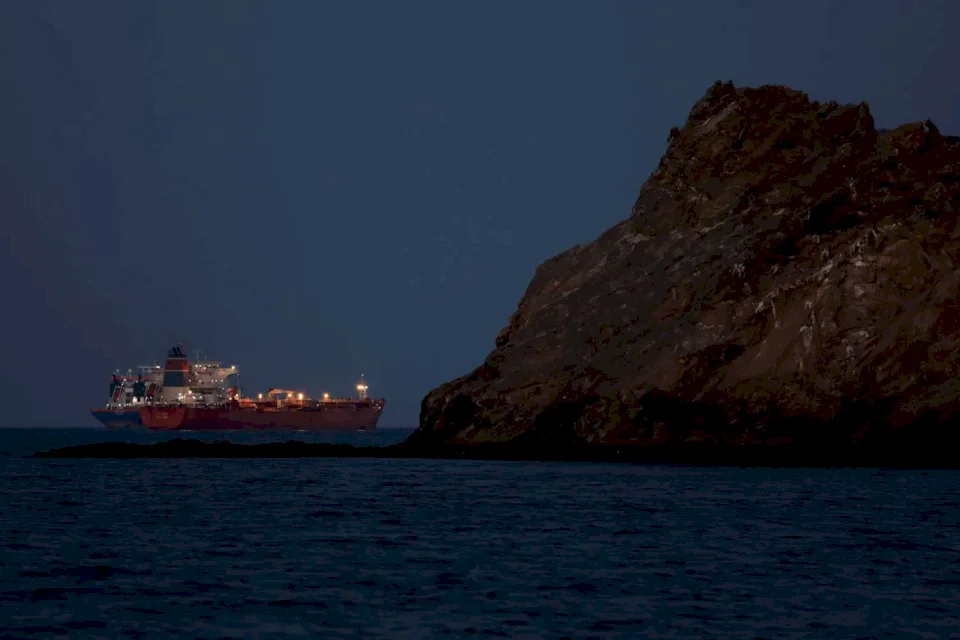
As the Strait of Hormuz approaches total closure, Saudi Arabia redirected oil shipments through a pipeline extending 1,200 kilometers to the port of Yanbu on the western coast. At the same time, it swiftly attracted a massive fleet of oil tankers that flowed toward the Red Sea to load shipments, now beginning to stack up off the port.
The average shipments departing from Yanbu have reached about 4.19 million barrels per day over the past five days, according to tracking data compiled by Bloomberg. This already represents a significant share of the kingdom's total exports, which amounted to about 7 million barrels per day before the war, and is far greater than the average of 1.4 million barrels per day that was previously exported through the port.
Typically, about one-fifth of global oil supplies pass through the Strait of Hormuz, the narrow waterway leading to the Arabian Gulf, while producers in the region have been forced to cut production as storage facilities begin to fill up. The International Energy Agency warned that the war is causing the largest disruption to oil supplies in market history.
Increase in Shipments from Red Sea Ports
Saudi Arabia is the only oil producer with such a significant alternative. While the UAE has a pipeline leading to the Gulf of Oman, its flows have remained vulnerable to disruption, as the Fujairah port it relies on has had to halt loading operations on several occasions due to drone attacks.
As Saudi Arabia accelerates the redirection of its oil, tankers have begun to accumulate off its coast in the Red Sea. At least 32 giant tankers and Suezmax-class tankers are waiting near Yanbu to load shipments, while others are still on their way to the area.
The accumulation of at least 32 giant and Suezmax tankers off the Yanbu coast reflects the increasing pressure on the port.
Although short-term loading averages may be volatile, Saudi Arabia has announced its intention to increase allocations of shipments to foreign buyers from its Red Sea ports and has offered its long-term customers the option to receive supplies from Yanbu. Aramco did not respond to emails requesting comment on the level of exports departing from Yanbu.
The highest level of oil loading from Yanbu this month reached 4.65 million barrels per day, achieved on three occasions, while loading levels on other days were below that.
 Follow the latest Sada News via Google News
The World Bank Warns: "The Worst-Case Scenario" for Global Growth is Approaching

Trump Prepares to Impose New Tariffs on Dozens of Economies

Gold Surpasses $4,100 as Selling Pressure Eases

Oil Rises for the Fourth Day as Supply Risks Escalate

An Additional $8 Billion.. A New Account from the Pentagon on the Cost of the War with Ira...

London Stock Exchange Enters the Era of 24/7 Trading

Shamaran Petroleum: Suspension of Oil Production in Duhok Fields in the Kurdistan Region o...
