

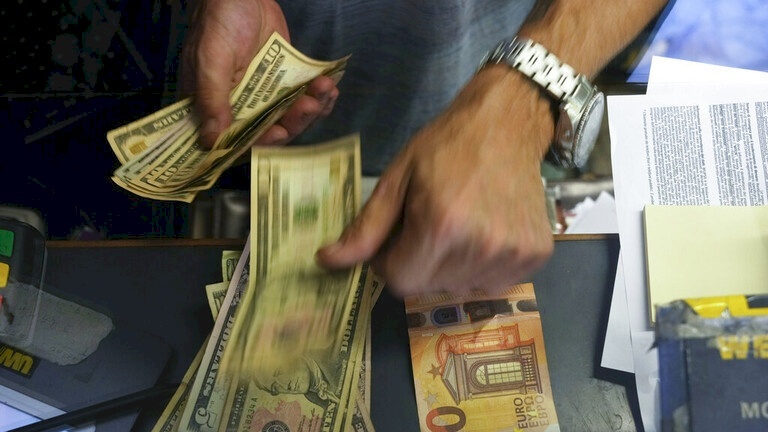
The Rise of the Euro Threatens the European Central Bank's Inflation Strategy
SadaNews - The strong rise of the euro is expected to overshadow the European Central Bank's first monetary policy meeting of the year.
Inflation in the eurozone is threatened to fall further below the targeted level due to the strength of the single currency, raising difficult questions for monetary policy officials gathered in Frankfurt.
Although the European Central Bank has not changed interest rates since June, and no action is expected in the upcoming meeting on Thursday, the agenda is not without issues. Since policymakers set interest rates on December 18, markets have seen attacks on the Federal Reserve, new U.S. threats to impose tariffs, and a sharp decline in the dollar.
Monetary Policy Officials are Watching the Euro
The weakness of the U.S. dollar - driven by comments from President Donald Trump stating he is not concerned about the dollar - has pushed the euro temporarily above the $1.20 mark, marking its strongest level since 2021.
This has not gone unnoticed by European Central Bank officials. Bank of France Governor François Villeroy de Galhau stated that the euro "is one of the factors that will guide our monetary policy," while the Governor of the Austrian National Bank, Martin Kocher, indicated that the currency will be closely monitored for further gains.
Inflation in the bloc has already fallen slightly below 2% in December, and further slowing is expected. Economists anticipate that data scheduled for release on Wednesday will show inflation at 1.7% in January.
While the European Central Bank expects price growth to stabilize at its targeted level in the medium term without taking further action, any additional rise in the euro could reopen discussions about further interest rate cuts.
Bloomberg Economics Experts' Opinion:
"Europe has witnessed a turbulent geopolitical start to the year, and the European Central Bank is likely to continue focusing on the bigger picture rather than the details. This means it may largely overlook the recent U.S. trade dispute related to Greenland, the slight drop in inflation below the 2% target, and the rise of the euro. However, these developments confirm that the downside risks to the economic outlook are increasing."
-David Powell and Simona Deliyeh Kiai, Economists
The European Central Bank, which will also release its quarterly surveys on bank lending and economists' forecasts next week, is one of about a dozen central banks expected to set interest rates. The United Kingdom, Mexico, and the Czech Republic are expected to keep interest rates unchanged, while India and Poland may opt for cuts. The Reserve Bank of Australia could become the first major central bank to raise interest rates this year.
 Follow the latest Sada News via Google News
Trump Imposes Tariffs on Canadian Imports... Ottawa Vows to Respond

Oil Prices Drop After Reports of Mediation Efforts Between the U.S. and Iran

Gold Price Rises Supported by Increased Buying Amid Lower Prices

Due to "Hazardous and Counterfeit Products".. Europe Fines "AliExpress" $627 Million

Gasoline Prices Exceed $4 Again in America Amid Resumed War

What was the financial reward for Spain after winning the World Cup?

Gold Stabilizes Amid US Interest Rate Outlook
