

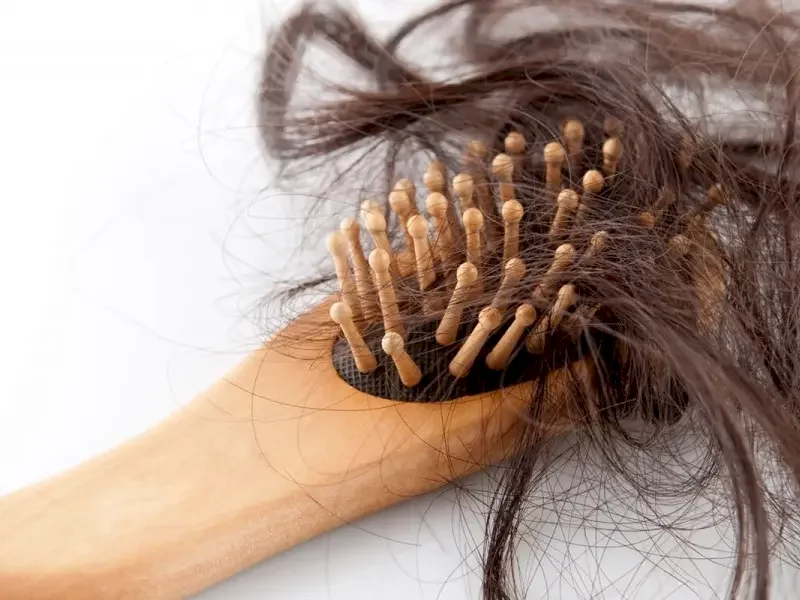
Here Are Solutions for Hair Loss Due to Iron Deficiency
SadaNews - Iron deficiency is considered one of the most common and often overlooked causes of hair loss, with an estimated one billion people worldwide suffering from this issue, according to a recent study published in the Journal of the American Academy of Dermatology.
The study revealed that among 96 women experiencing hair loss, aged between 3 and 75 years, 19% showed iron deficiency. This means that testing for iron levels in the blood is one of the first steps to take when unusual hair loss occurs.
Tests show that iron plays a crucial role in producing hemoglobin, the protein responsible for delivering oxygen to hair follicles. When iron levels drop, hair growth slows down, and the hair becomes more fragile and prone to falling out. Diagnosis is the most important step in addressing this phenomenon, as it allows for identifying its cause. Experts emphasize the necessity of conducting a comprehensive blood test in this case, beyond measuring iron levels, in order to obtain an accurate picture that identifies the cause of hair loss and the accompanying health conditions.
Once it is confirmed that there is an iron deficiency, the priority is to raise the levels of this mineral in the body to their normal range. This is achieved by following a diet rich in red meats, leafy vegetables, legumes, and dried fruits. However, in most cases, dietary supplements are also necessary, provided their intake is accompanied by adhering to some essential rules, such as: avoiding coffee and tea during consumption, focusing on vitamin C to enhance absorption, and not taking it with calcium.
It is worth noting that treatment in this area requires persistence and patience to achieve the desired results. Experts indicate that it often takes about nine months for blood iron levels to return to normal and for this to positively impact hair growth.
Effective Cosmetic Treatments
Compensating for iron deficiency is the fundamental step in treating this type of hair loss, but cosmetic treatments can also provide significant assistance in this area. The technique of microneedling with exosomes, performed by experts, can stimulate hair growth. It is an approach inspired by regenerative medicine and is capable of providing hair follicles with the proteins, fats, and nucleic acids necessary for cellular communication, stimulating scalp activity and enhancing the health of hair follicles.
LED light therapy can also be effective in this area, as using helmets equipped with this light stimulates hair follicles that are in the growth phase, reduces inflammation, improves blood circulation, and enhances hair density.
While these cosmetic treatments do not replace compensating for iron deficiency, they work to enhance its benefits for individuals experiencing unusual hair loss.
Treatment in this area also involves caring for hair fibers that become more fragile and break due to a lack of iron. Hence, the importance of protecting them from the heat of electric styling tools, avoiding hairstyles that pull on the hair, and using silk pillowcases to prevent breakage and increase dryness. In addition to using specially designed serums to strengthen the scalp.
 Follow the latest Sada News via Google News
FIFA Referees Committee, Led by Colina, Clarifies Cases from Egypt vs. Argentina Match

The Egyptian Federation Files Official Complaint Against Referee Letexier

Do You Know How to Comfort Someone Who is Crying? Here's What to Say and Do in Tough Momen...

"Backrooms": From Digital Legend to Cinematic Phenomenon

Prediabetes.. The Silent Bomb Carried by Millions Without Their Knowledge

From Sweden 1958 to the Epic of Egypt 2026.. Argentina's History with World Cup Comebacks

After the South Africa Precedent.. Nigeria Investigates the Encroachment of Technology Com...
