

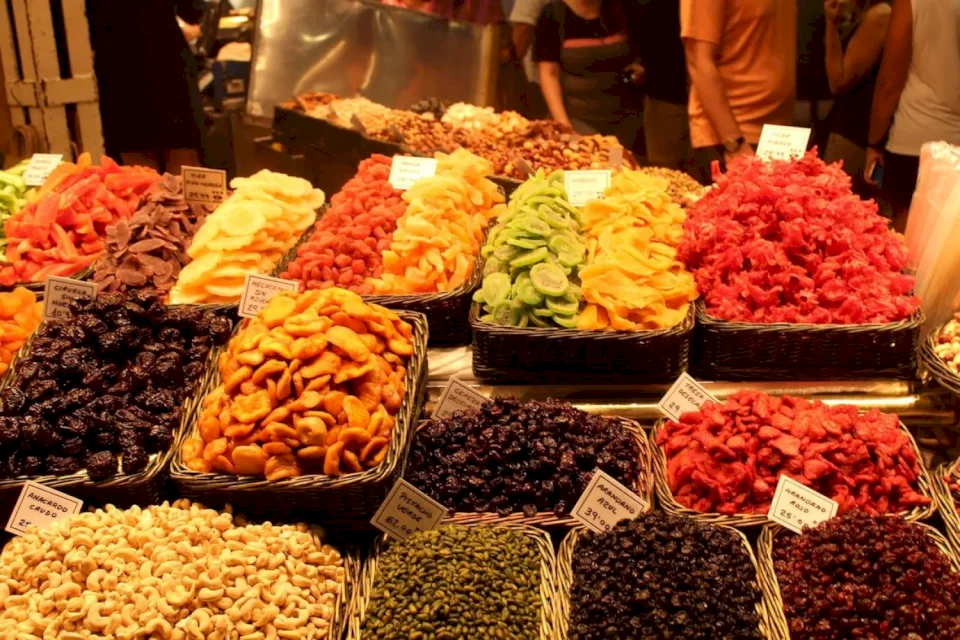
6 Natural and Dried Fruits Rich in Iron
SadaNews - Iron is an essential element for the body's health, supporting the production of red blood cells and boosting energy and immunity. However, obtaining enough iron is not limited to red meat; natural and dried fruits can be rich and beneficial sources, with dried fruits usually containing higher amounts of iron due to the increased density of nutrients during the drying process.
A report from "Verywell Health" showcases the top 6 dried and natural fruits rich in iron that can easily enhance your daily health in natural ways.
1. Dried Apricots
Half a cup of dried apricots contains about 2.1 milligrams of iron. They also provide around 5 grams of fiber that helps you feel full longer. Dried apricots can be consumed as a snack or added to foods like oatmeal and cereals.
2. Dried Peaches
Half a cup of dried peaches contains about 3.3 mg of iron and is rich in vitamin "C" which enhances iron absorption and strengthens the immune system. In addition, peaches provide fiber, potassium, and magnesium, making them a convenient and easy snack to carry.
3. White Mulberries
Half a cup of white mulberries contains 1.3 mg of iron. This sweet natural fruit is packed with antioxidants and plant compounds like anthocyanins that may help combat inflammation. They can be used to make jams or added to baked goods.
4. Dried Figs
Half a cup of dried figs contains about 1.5 mg of iron, in addition to phosphorus and calcium, which are important for bone and dental health. It is best to consume them in moderation, noting that calcium may inhibit iron absorption. They can be eaten as snacks or added to salads.
5. Raisins
Half a cup of raisins contains 1.4 mg of iron, along with other nutrients such as calcium, magnesium, and potassium. They can be easily added to yogurt, cereals, salads, or even baked goods and main dishes like pasta.
6. Sour Cherries
Half a cup of sour cherries contains 0.5 mg of iron. Sour cherries contain antioxidants like polyphenols that help combat inflammation, and also have malic acid which may enhance the absorption of non-heme iron. They can be consumed with oatmeal, in smoothies, or as an addition to salads.
The recommended daily intake of iron
The body’s iron needs vary according to age, gender, and health status such as menstruation:
- Females aged 14 to 18 need about 15 mg daily, between 19 and 50 need about 18 mg daily, and 27 mg during pregnancy, then it decreases to about 8 mg after menopause.
- Males and the elderly need about 8 mg daily.
- Vegetarians may need higher amounts of iron to compensate for the lack of animal sources.
 Follow the latest Sada News via Google News
After Deschamps' Departure... Zinedine Zidane Tops the Candidates to Lead France

Mbappe Surpasses Messi and Becomes the All-Time Top Scorer in the World Cup

England Defeats France and Achieves Largest World Cup Achievement Since 1966

Messi Refused to Play for Spain and Missed 3 World Cups

Publishers Sue Google for Allegedly Using Books to Train Artificial Intelligence

Google Expands Capabilities of Google Search Console to Support Social Media Accounts

The Mediterranean Table... An Ancient Diet Revealing Its New Secrets for Health and Longev...
