

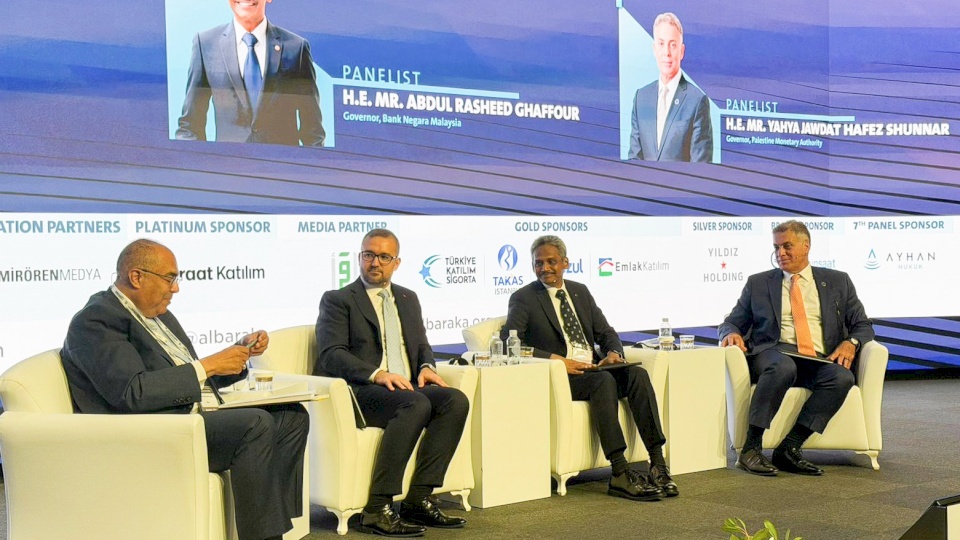
Shanar at the Barakah Summit for Islamic Economy: The Palestinian Experience is a Model for Financial Resilience Despite Exceptional Challenges
SadaNews - His Excellency the Governor of the Palestine Monetary Authority, Mr. Yahya Shanar, reviewed Palestine's experience in enhancing resilience and financial stability during the third Barakah Summit for Islamic Economy 2026, highlighting that the measures implemented by the Monetary Authority represent a model reflecting the ability to manage monetary and fiscal policies in an exceptional environment lacking full monetary sovereignty and subject to complex restrictions on the movement of individuals, goods, and capital. He noted that these measures helped deal with the repercussions of the war on the Gaza Strip and the resulting economic slowdown.
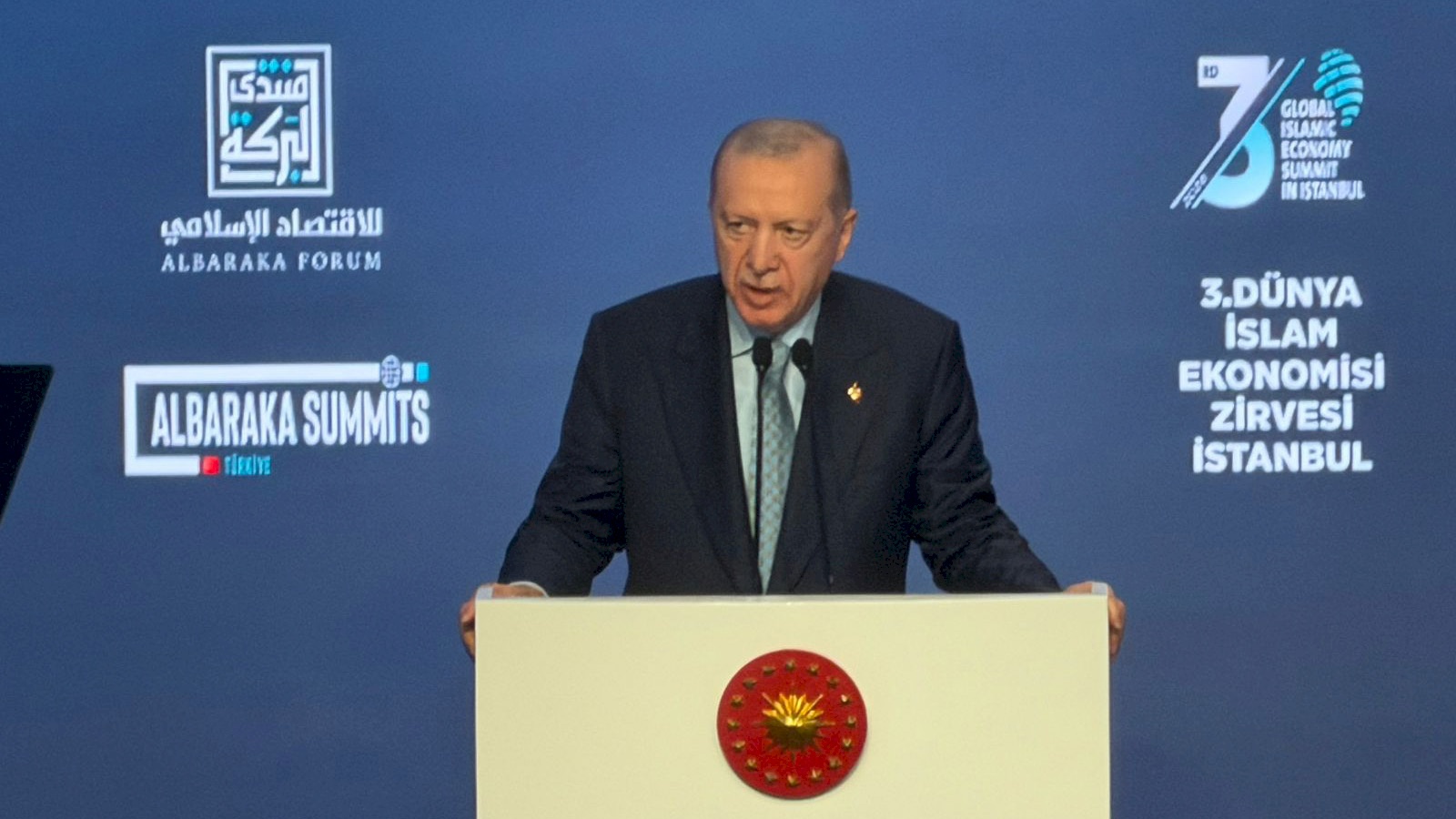
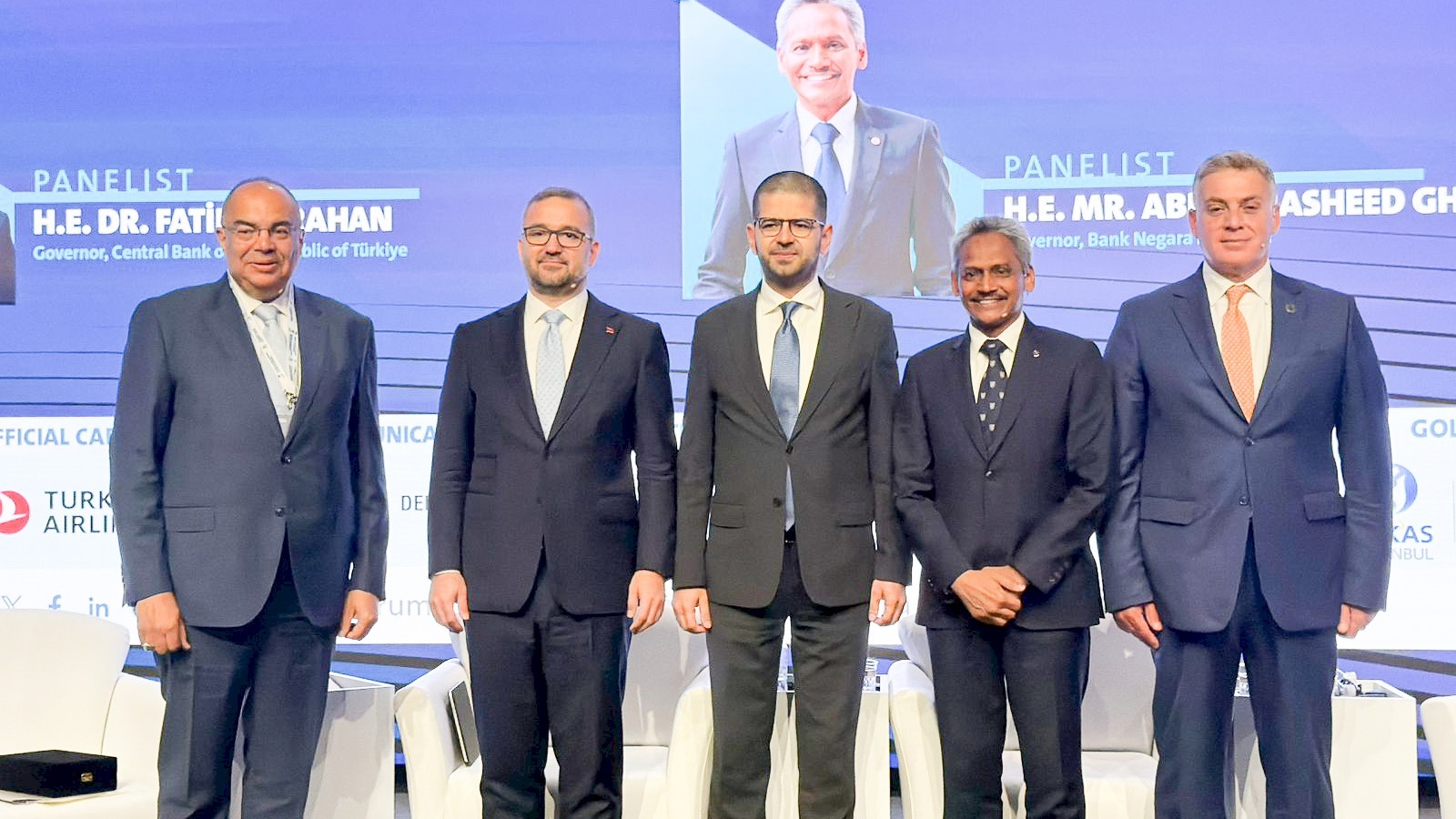
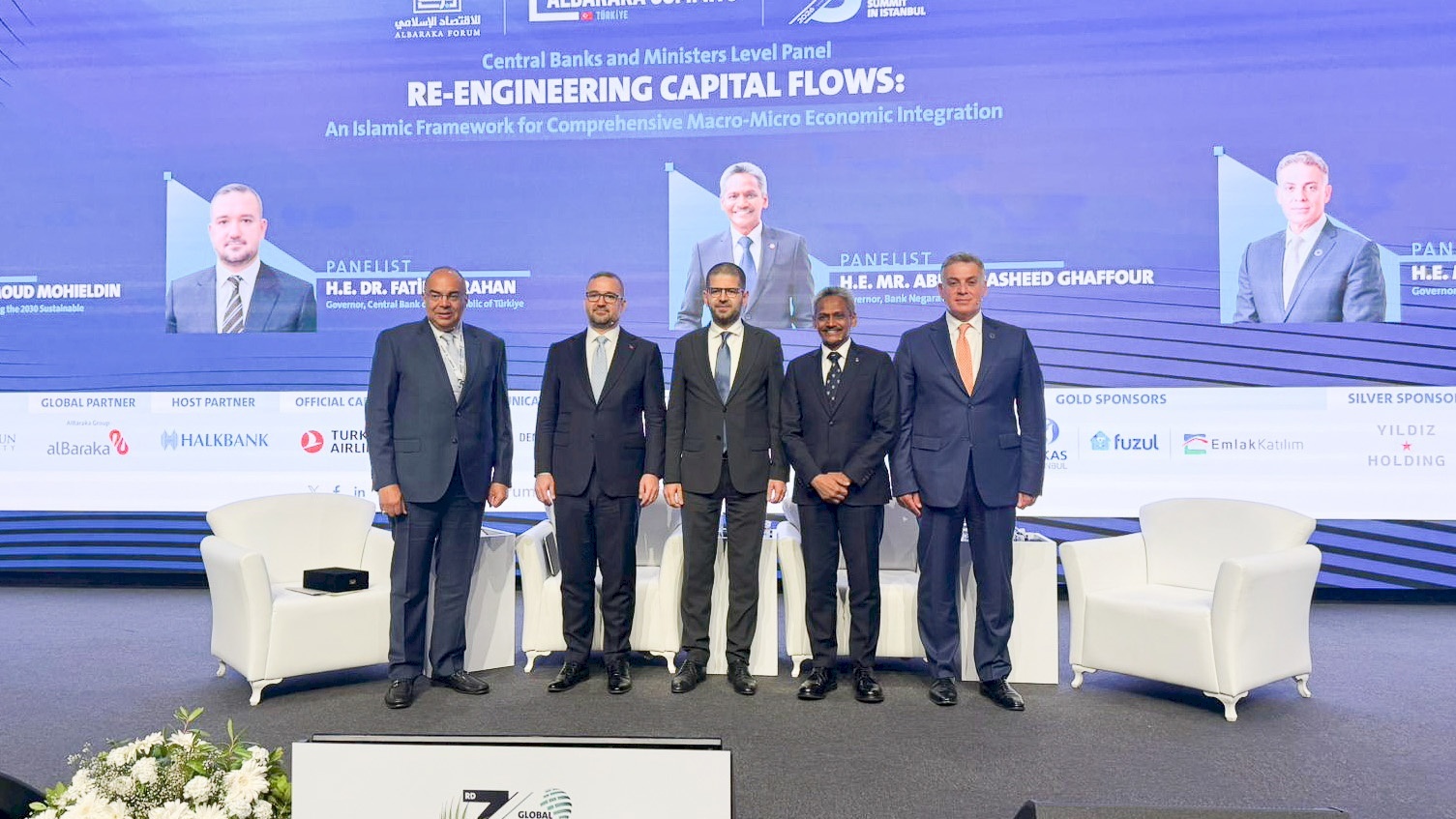
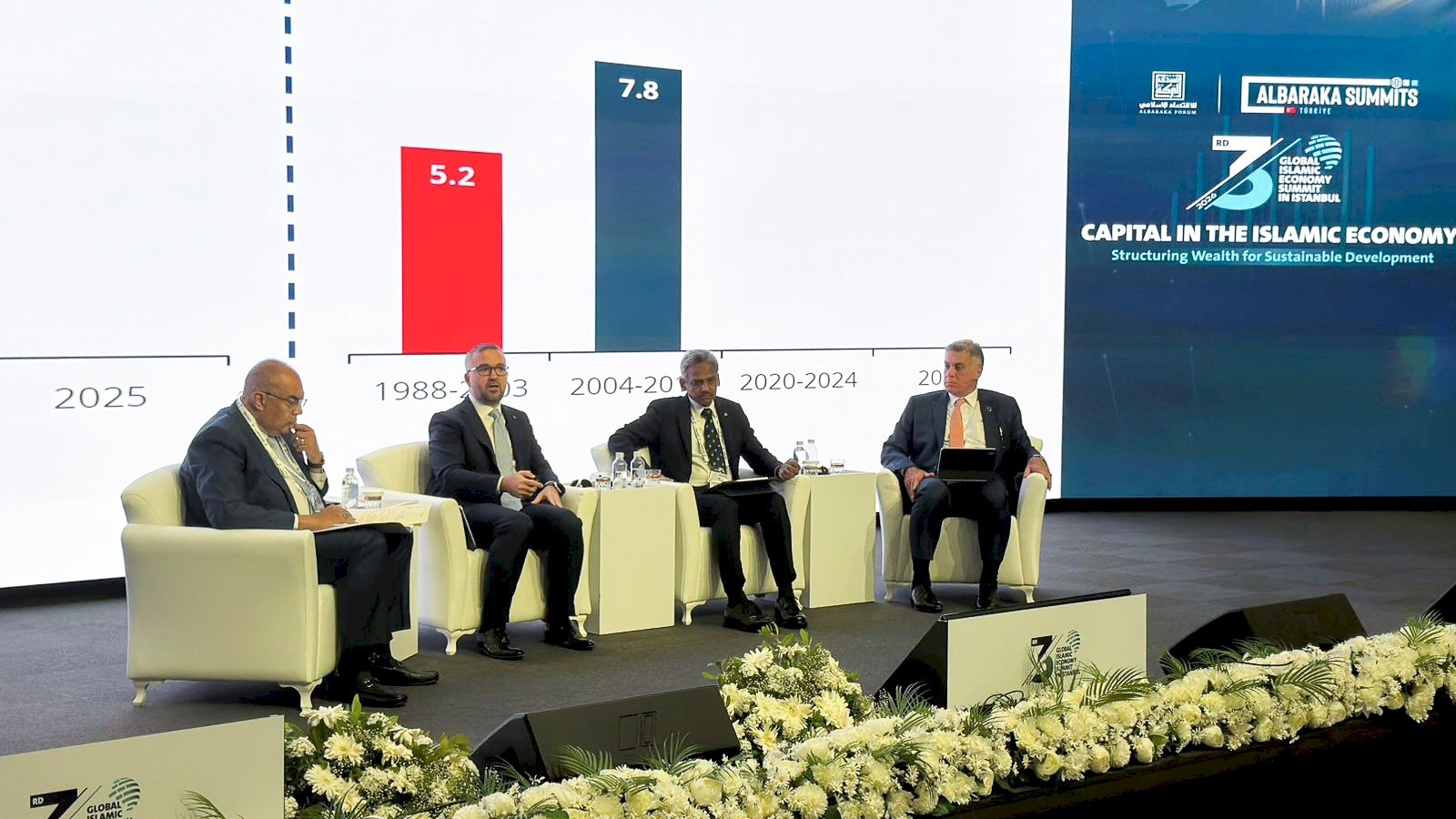
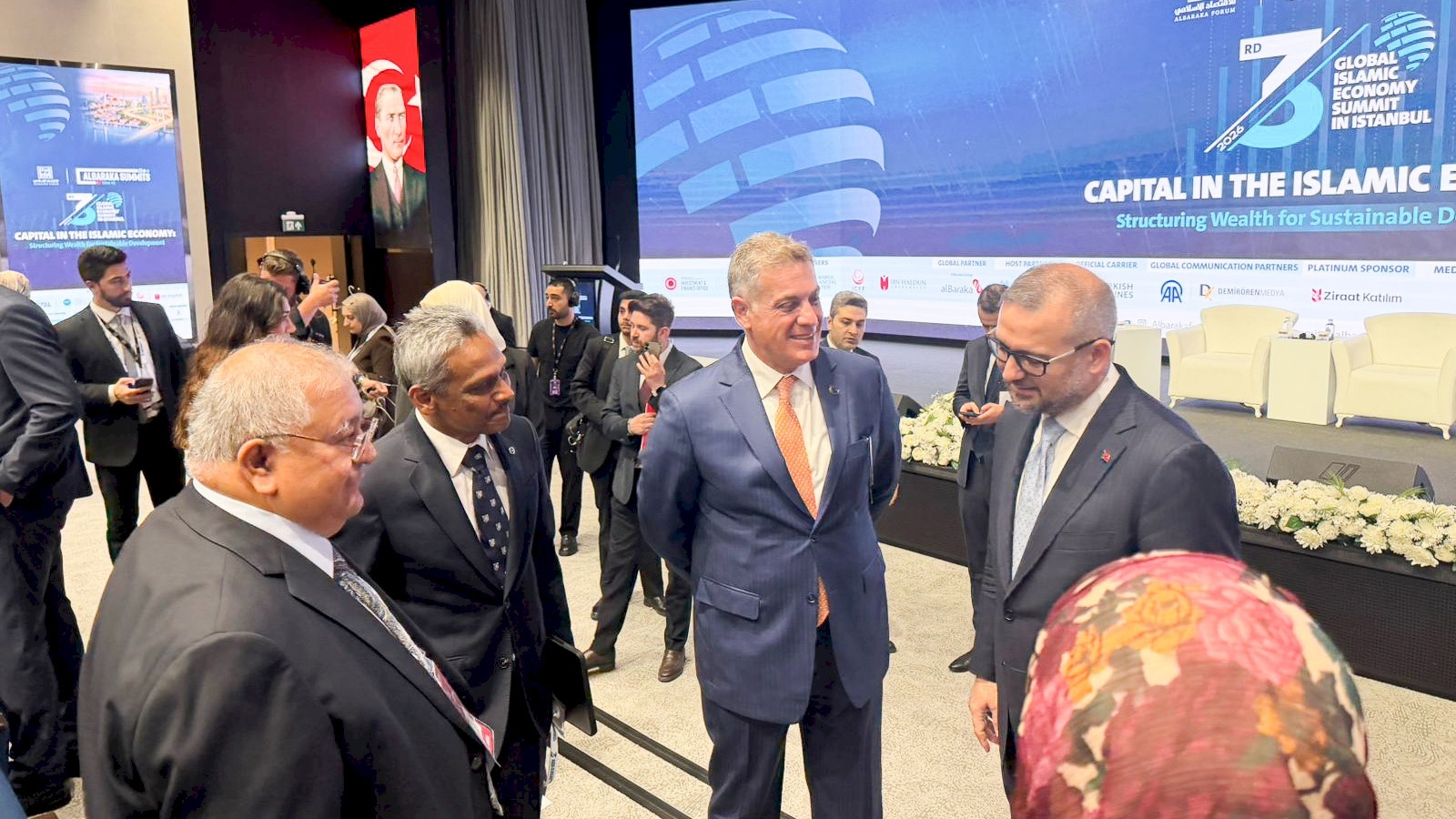
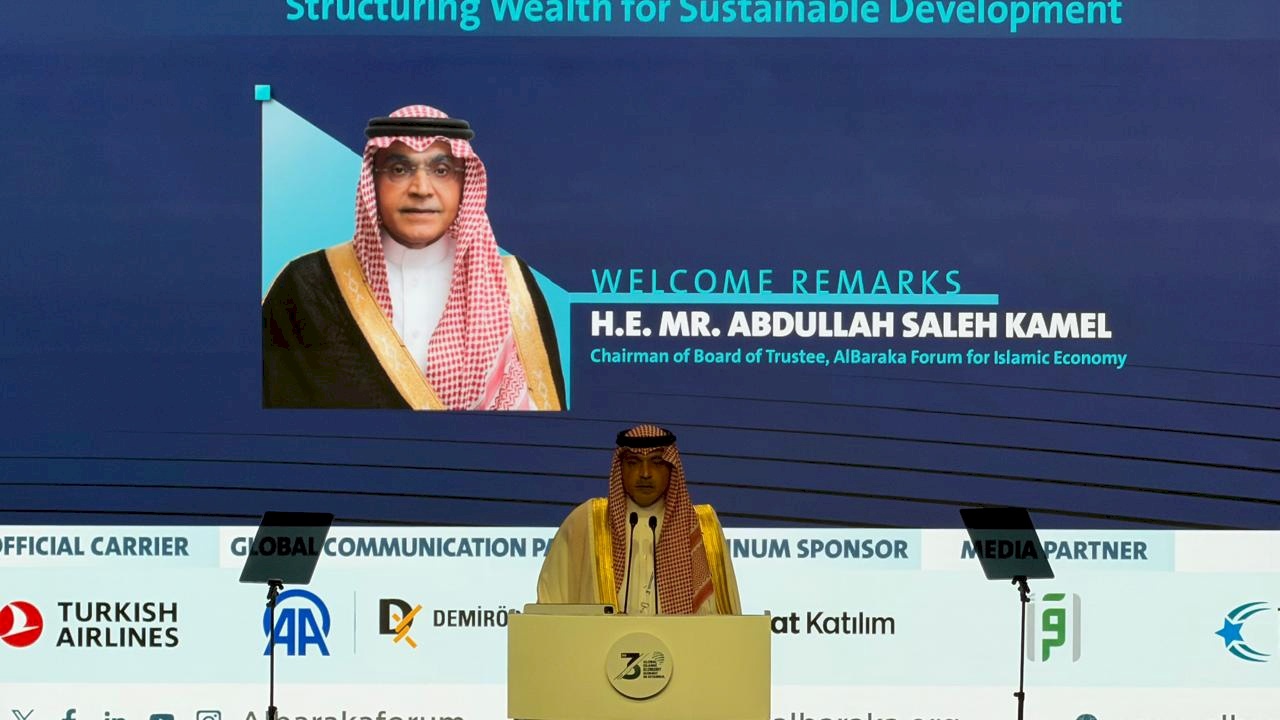
The third Barakah Summit for Islamic Economy was held in Istanbul under the theme "Capital in the Islamic Economy: Structuring Wealth for Sustainable Development," attended by His Excellency the President of the Republic of Turkey, Mr. Recep Tayyip Erdoğan; the Governor of the Central Bank of Turkey, Dr. Fatin Karahan; the Governor of Bank Negara Malaysia, Mr. Abdul Rashid Ghafour; the United Nations Special Envoy for Sustainable Development Finance, Dr. Mahmoud Mohieldin; the Chairman of the Board of Trustees of the "Barakah Forum for Islamic Economy", Mr. Abdullah Saleh Kamel; and a member of the Council of Senior Scholars, Imam and Preacher of the Grand Mosque, and Advisor in the Saudi Royal Court, Sheikh Dr. Saleh bin Abdullah bin Hamid, along with several ministers, policymakers, and representatives of Islamic banks from various countries around the world.
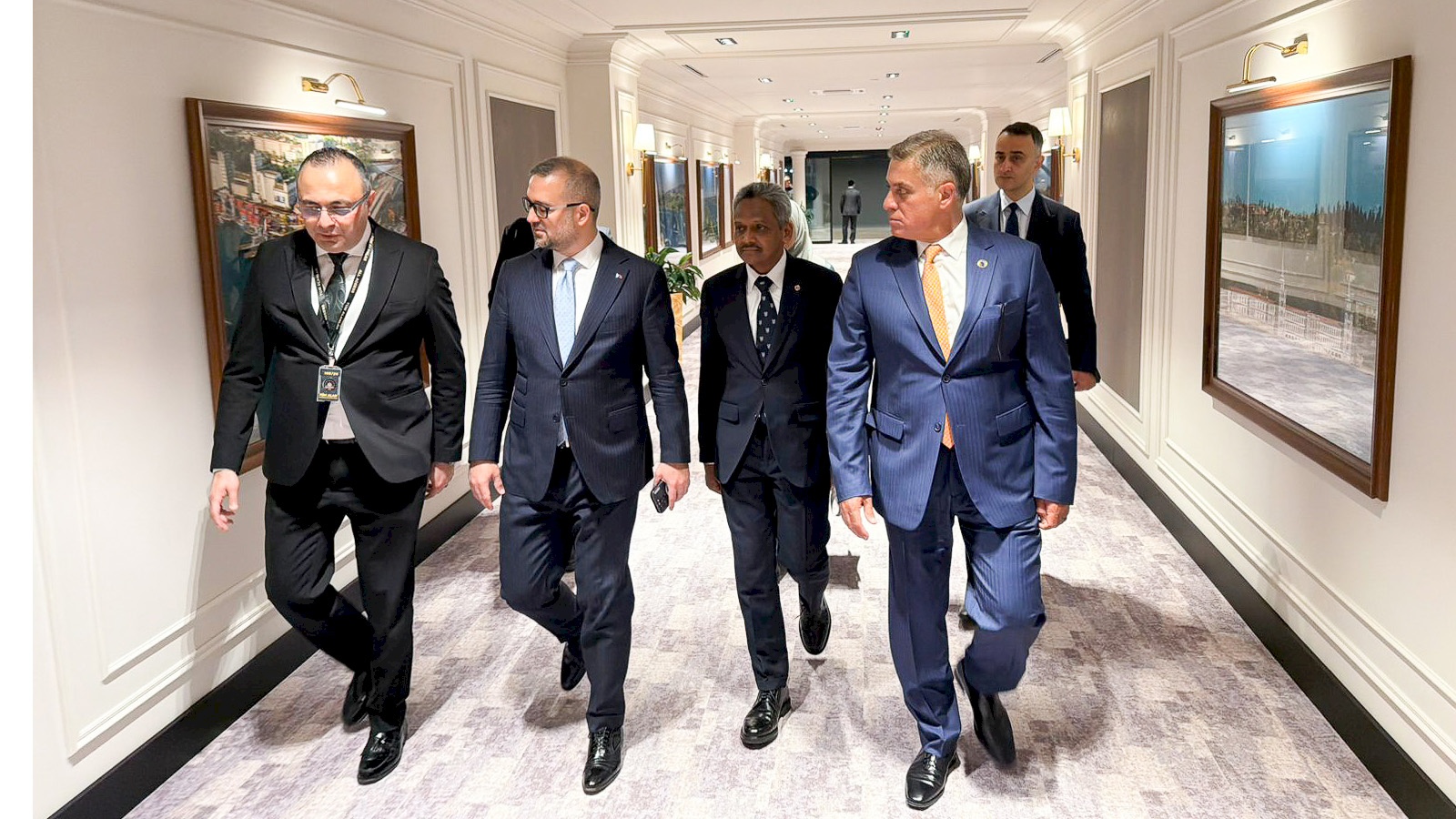
On the sidelines of the summit, His Excellency the Governor of the Palestine Monetary Authority, Mr. Yahya Shanar, was honored by the office of His Excellency President Recep Tayyip Erdoğan, in recognition of his contributions to developing the Palestinian financial and banking sector and his efforts to enhance financial stability and support the resilience of the Palestinian economy in light of exceptional challenges.
Shanar explained that the Monetary Authority continued to play its role in maintaining financial stability and ensuring that the banking system continues to provide services to the public under extremely complex conditions and during the war, despite challenges related to the accumulation of shekels and the ongoing threats of severing correspondent banking relationships.
He noted that the Monetary Authority has developed the digital payments infrastructure, including the E-Sadad bill presentation and payment platform, the iBuraq instant payment and transfer system, and a direct installment system. It has created a work environment to facilitate the use of electronic payment systems, including establishing electronic wallets and licensing payment and fintech companies, which contributed to maintaining the financial cycle and keeping the economy moving while facilitating payments during the war and under the isolation policies imposed by the Israeli occupation on Palestinian cities and villages in the West Bank.
The governor reviewed the role of financing programs and funds managed by the Monetary Authority, foremost among them the Sustainability Fund, in supporting small and medium enterprises and businesses affected by crises, enhancing their ability to continue and stimulating growth in the national economy.
Shanar pointed to the Monetary Authority's efforts to develop the regulatory framework for Islamic banking and enhance Sharia-compliant governance and supervision, aligning with international standards, and contributing to expanding the role of this sector as one of the funding sources supporting the real economy.
The governor confirmed that Islamic financing provides a practical framework that links financing to actual economic activity, enhancing the efficiency of resource allocation while limiting risks related to short-term speculation, and supporting financial stability and sustainable development.
Shanar called for enhanced cooperation between central banks and international financial institutions to develop the Islamic financing system and expand liquidity tools and financial safety nets compliant with Islamic law, contributing to raising the efficiency of the financial system and enhancing its ability to withstand shocks.
 Follow the latest Sada News via Google News
Soaring Oil Prices Burn the Pockets of the Palestinian Citizen "The Poor"

Millions of Dollars in Losses.. "SadaNews" Reveals Shocking Figures for Traders from Pales...

The Problem of Shekel Overcrowding Worsens.. Fuel Station Owners Threatened with Closure o...

The Palestinian Economy at a Crossroads: 4 Files Awaiting Resolution

Inflation Expectations in Israel Stabilize at 1.5%

Ministry of Economy Announces the Opening of Import Application Submissions for Commodity...

Relative Stability of the Dollar Near 3.04 Shekels and Predictions of Returning Inflationa...
