

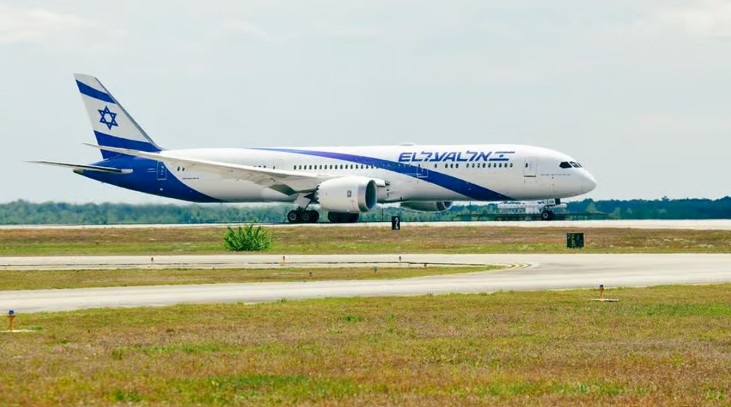
For the First Time in Three Years: El Al Airlines Reports Massive Losses
SadaNews - Israeli airline "El Al" announced this morning (Wednesday) that the war on Iran has caused a significant loss of 66.7 million USD in the first quarter of 2026.
The company's revenues decreased by 27.3% compared to the same period last year, dropping from 773.7 million USD to 562.4 million USD. The last time "El Al" recorded losses in the first quarter was in 2023, where its losses amounted to 34.3 million USD, as reported by Sada's Economy, citing Yedioth Ahronoth newspaper.
The war initiated by "Israel" against Iran on February 28, 2026, resulted in the closure of "Israeli airspace" and halted El Al's operations entirely for 40 days, until April 9. During that period, the company immediately suspended its regular flights and diverted most of its aircraft abroad to prevent damage, gradually resuming limited operations according to instructions from the relevant authorities.
According to the company, the direct losses on days without any flight activity were about 4 million USD daily. The total impact on profits, after tax deductions, was estimated at around 145 million USD, of which approximately 90 million USD was recorded in the first quarter, with the remaining amount expected to affect the second quarter.
The estimates suggest that "if there had been no war, the first quarter would have ended with a profit of about 23 million USD, which is about 2.5 times the profit recorded in the corresponding quarter last year. However, even before the security attack, the company had already seen a significant decline: in January and February, before the war, revenues fell by 6.8% compared to the same period last year, primarily due to the gradual return of foreign airlines to Ben Gurion Airport, which affected the company's market share, dropping to around 37% compared to about 44% last year. The appreciation of the shekel against the dollar by approximately 14% during the quarter also impacted costs: since salary expenses are mostly paid in shekels, the increase amounted to about 22 million USD compared to the corresponding quarter."
Despite the loss, the company states it has "maintained its financial stability. The company's liquidity balances up to March 31 were approximately 1.9 billion USD in cash, deposits, and financial investments, enabling it to continue its strategic plans even during the crisis. Among other things, the company signed a collective agreement with labor committees during this period, and an agreement for issuing "Fly Card" with "Isracard" for ten years, in addition to expanding the supply agreement with Boeing.
Sales of flight tickets from March to May 2026 saw a significant increase compared to the same period last year. April recorded a monthly record of about 560 million USD, while the average daily sales during the thirty days following Passover were about 21.3 million USD, a 31% increase compared to the corresponding figure last year. The value of accumulated orders in April 2026 was approximately 1.2 billion USD, a figure much higher than in April 2025 (about 1 billion USD) and April 2024 (about 795 million USD)" according to Sada's Economy translation.
The company expects that the second and third quarters of 2026 will witness high occupancy rates and that revenue per seat-kilometer will increase by between 1% and 4% compared to the same two quarters last year. At the same time, available capacity is expected to rise by about 6% to 10% compared to 2025 data, thanks to the addition of new aircraft and increased activity on major routes.
El Al's stock, which was among the most profitable in the market, has fallen by 23% since the beginning of the year. The stock is currently trading at 7.2 billion shekels, compared to a peak of 8.5 billion shekels. Unusually, it seems that as a result of the company's shift to losses, El Al did not issue a press release on the occasion of the report publication, nor was there any response from management, as translated by Sada's Economy.
 Follow the latest Sada News via Google News
Soaring Oil Prices Burn the Pockets of the Palestinian Citizen "The Poor"

Millions of Dollars in Losses.. "SadaNews" Reveals Shocking Figures for Traders from Pales...

The Problem of Shekel Overcrowding Worsens.. Fuel Station Owners Threatened with Closure o...

The Palestinian Economy at a Crossroads: 4 Files Awaiting Resolution

National Economy: Referral of 6 Violators to Prosecution and Seizure of 76 Tons of Violati...

Israel's Foreign Currency Reserves Rise to $238.7 Billion

Exchange Rates of Currencies Against the Shekel on Wednesday (July 8)
