

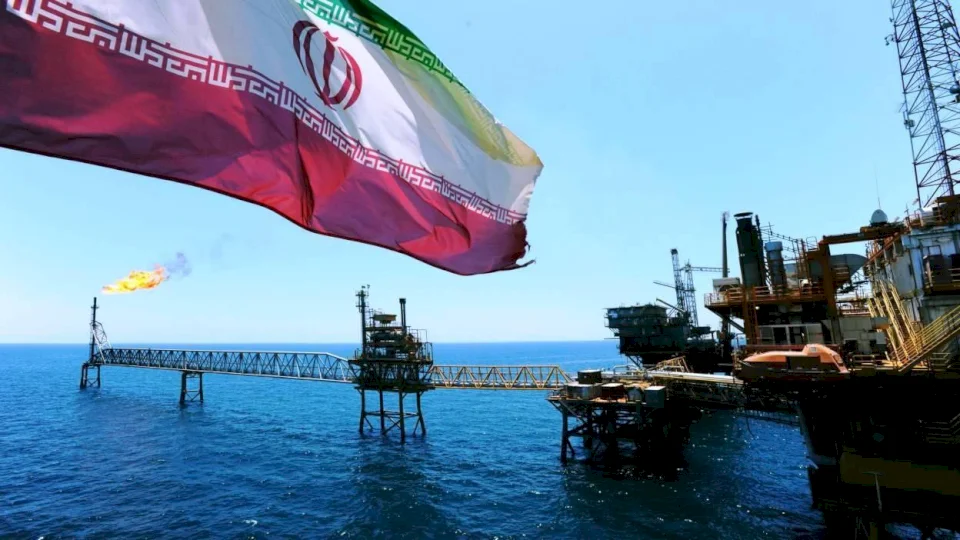
Floating Iranian Oil Faces Uncertain Fate After U.S. Exemption Cancellation
SadaNews - Millions of barrels of Iranian oil loaded on tankers are left in a state of suspense after the United States canceled an exemption that allowed Tehran to sell crude.
The amount of Iranian oil currently at sea is estimated at around 63 million barrels, among shipments in transit and others awaiting their destination, according to Bloomberg's calculations based on Fortescue's data. These shipments are spread on ships in the Arabian Gulf and distributed across Asian waters, while most of them do not announce a clear destination or indicate that they are available to receive orders, meaning they have not found a buyer yet.
The American exemption was issued in late June as part of a temporary peace agreement between Washington and Tehran, granting Iran 60 days to sell its oil without facing U.S. sanctions, before Washington canceled it in response to Iranian attacks on tankers in the Strait of Hormuz.
The exemption, along with lifting the U.S. blockade on Iranian ports, contributed to an increase in loading Iranian crude. However, selling these quantities has now become more difficult, depriving Iran of a much-needed source of revenue and also undermining a key incentive aimed at urging Tehran to commit to an agreement to reopen the strait.
Impact of Sanctions on Iranian Crude
The organization "United Against Nuclear Iran," a non-profit organization, stated that it has monitored at least 19 loading operations of Iranian oil and petrochemicals since the signing of the temporary agreement. It also identified at least 46 tankers loaded with Iranian oil or fuel along the Iranian coast.
Tehran has faced difficulties selling its oil even before the exemption was canceled due to the influx of large amounts of non-Iranian crude from the Arabian Gulf, which has deprived Iranian barrels of price advantages compared to alternatives, along with buyers' caution regarding the risks surrounding this trade.
In recent days, the National Iranian Oil Company, along with brokers promoting the country's crude, intensified efforts to sell these quantities, according to traders familiar with the matter. They explained that refineries in Japan, Taiwan, and South Korea received offers, while Indian refineries were preparing to buy on the condition that the U.S. exemption be extended beyond August.
Traders added that no purchases of Iranian crude have been recorded from Asian refineries outside of China since the issuance of the exemption, despite the possibility that some deals may remain confidential due to their sensitivity.
Obstacles to Selling Iranian Oil
Iranian oil trade has faced a series of obstacles, as EU and UK restrictions remain in place, complicating insurance arrangements, while some ports may hesitate to allow ships from Iran's shadow fleet to dock. Buyers also remained cautious of any sudden shifts in U.S. policy.
Independent Chinese refineries, known as "teapot refineries," are among the few remaining markets for Iranian oil, having been prominent customers for Tehran prior to the Middle East war. However, Iran is likely to have to offer significant discounts to attract their interest, especially after these refineries shifted to purchasing Saudi and Iraqi crude earlier this month.
 Follow the latest Sada News via Google News
Floating Iranian Oil Faces Uncertain Fate After U.S. Exemption Cancellation

Brent Surpasses $76 After U.S. Strikes on Iran

Gold prices register close to $4,128 per ounce

China Buys Largest Amount of Gold Since 2023 Despite Price Fluctuations

Bloomberg: Unusual Delays in Bank Transfers Between Saudi Arabia and the UAE

Aramco Considers Increasing East-West Pipeline Capacity by Two Million Barrels

Egyptian Private Sector Shrinks at Fastest Rate in Over 3 Years
