
Israeli "State" Auditor Reveals New Shortcomings in the Israeli Economy Due to War
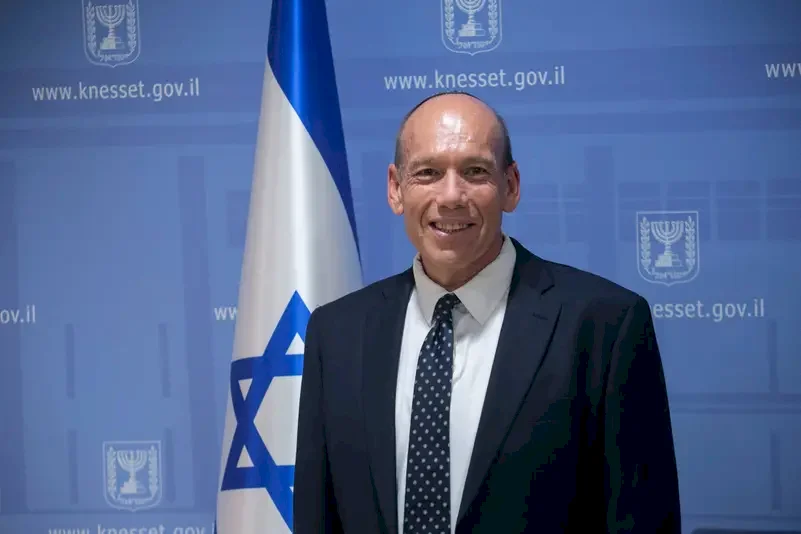
SadaNews Economy Translation - A report from the so-called Israeli "State" Auditor, Matanyahu Engelman, revealed after examining financial data that during the years 2023-2024, approximately 75% of loan applications submitted to the small and medium-sized enterprises loan fund were rejected.
According to the report, as translated by the SadaNews Economy section, the credit committee did not grant those companies a positive recommendation for granting the loans.
The report showed that the economic uncertainty resulting from the war led to a sharp increase in financing needs, resulting in a significant rise in the volume of borrowing conducted by Israel in 2024.
The borrowing took place in both the local and global markets, amounting to approximately 278 billion shekels, compared to only 160 billion shekels in 2023.
The financial auditor's report indicates that the ratio of Israeli government debt to gross domestic product in 2024 has risen to 67.9% compared to 61.5% in 2023.
It also indicated that under this increase, the three international credit rating agencies downgraded Israel's credit rating and future outlook, as translated by the SadaNews Economy section.
The report noted that the government budget deficit in 2024, during the "Iron Swords War," reached 135.6 billion shekels, with only 88% of the entities obligated to provide audited financial data submitting their information on time, while four government entities failed to provide any audited data to the accountant on time for five years up to 2024.
The financial auditor also indicated that the framework of government guarantees reached 60 billion Israeli shekels in 2024, with a large percentage of the applications submitted to the state-backed small and medium-sized enterprises loan fund during 2023 and 2024, which are years of war, not being approved.
The auditor found shortcomings in the method of calculating the fees for the government guarantee framework by the General Accountant's office at the Ministry of Finance, and it was revealed that for a decade, since 2015, the General Accountant at the Ministry of Finance had not updated the amount of the guarantee letter provided to Ashra, an Israeli company that insures against foreign trade risks, which has remained at 3.5 billion U.S. dollars for exporters since then, and the company did not agree to develop new programs.
In the report's recommendations, the Israeli "State" Auditor called on the General Accountant's department at the Ministry of Finance to study ways to increase the percentage of approved applications in the small and medium-sized enterprises loan fund in the future.
 Follow the latest Sada News via Google News
Soaring Oil Prices Burn the Pockets of the Palestinian Citizen "The Poor"

Millions of Dollars in Losses.. "SadaNews" Reveals Shocking Figures for Traders from Pales...

The Problem of Shekel Overcrowding Worsens.. Fuel Station Owners Threatened with Closure o...

The Palestinian Economy at a Crossroads: 4 Files Awaiting Resolution

The Monetary Authority Organizes Training on Developing Financial Technology Systems and S...

Currency Exchange Rates Against the Shekel on Thursday (July 2)

Sheikh Holds Expanded Economic Meeting with Chambers of Commerce to Discuss the Impacts of...
