

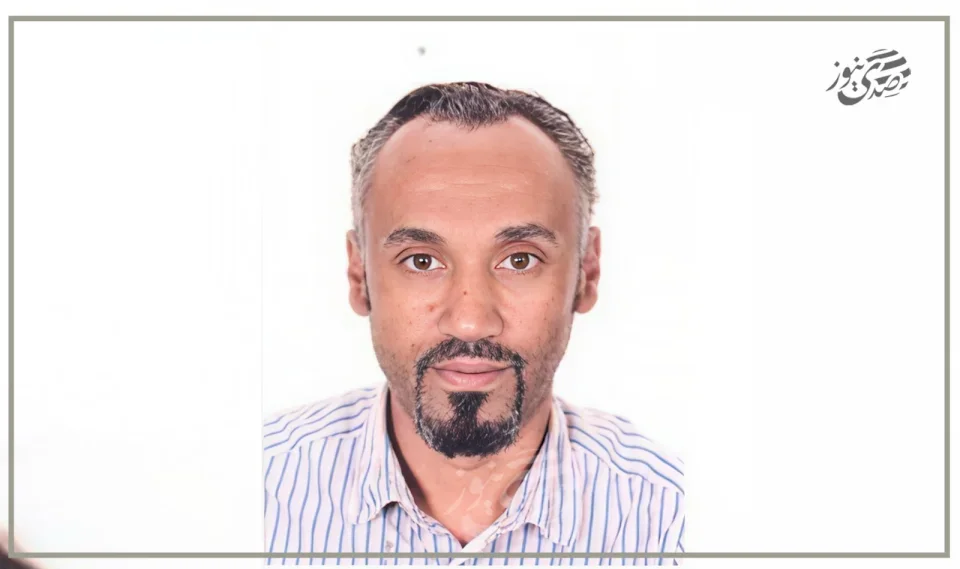
How Can Gaza Benefit from Rwanda's Experience in Reconstruction?
Rwanda's experience in state reconstruction after the genocide in 1994 serves as an inspiring model in the literature of development and crisis management, having successfully transformed from a collapsed state to one of the fastest-growing economies in Africa in a short period. This transformation was not based on an abundance of financial resources but rather on sound management, building institutions, and enhancing trust between the state and society. Given the recurring destruction and complex crises experienced in the Gaza Strip, the importance of questioning arises: how can this experience be utilized in the Gaza context?
First, Rwanda's experience affirms that effective management outweighs resources. Although Gaza has received humanitarian aid at various times, it faces challenges regarding the management of these resources. Therefore, establishing a transparent system for managing aid, based on accurate databases and high institutional coordination, can reduce waste and enhance distribution efficiency, ensuring that support reaches its true beneficiaries.
Second, combating corruption and enhancing accountability is the cornerstone of any successful reconstruction process. Rwanda adopted strict policies in this area, which bolstered trust among citizens and donors alike. In Gaza, activating community oversight tools and engaging civil society organizations can help create a more transparent and credible environment, encouraging the sustainability of international support.
Third, investing in human capital is one of the most important lessons learned. Rwanda focused on education and training as a primary entry point for development. Gaza, which has a high percentage of educated youth, can turn this challenge into an opportunity by supporting vocational and technical education and enhancing entrepreneurship, contributing to job creation and reducing reliance on aid.
Fourth, enhancing decentralization and empowering local communities can contribute to improving service quality and speeding response to needs. Involving municipalities and community committees in identifying developmental priorities—such as water, electricity, and housing—enhances the effectiveness of interventions and increases citizens' sense of ownership over the reconstruction process.
Fifth, adopting realistic phased planning represents a practical approach given the limited capabilities. Instead of embracing comprehensive plans that may be difficult to implement, the focus can be placed on small, quick-impact projects, such as rehabilitating essential infrastructure and supporting small enterprises, achieving tangible results in the short term.
However, the fundamental differences between the two contexts cannot be overlooked. Rwanda's success was linked to the presence of unified political leadership and a clear will for reform, while the Gaza Strip suffers from political divisions and complex external constraints. Therefore, any attempt to leverage the Rwandan experience must consider these determinants and work to create a more unified internal environment, alongside efforts to alleviate imposed constraints.
In conclusion, Rwanda's experience provides an important lesson that political will and sound management can compensate for resource limitations. If Gaza can adopt these principles while adapting them to its unique reality, it may open a new pathway towards more sustainable and just reconstruction.
 Follow the latest Sada News via Google News
Between Pragmatism and Survival Management: Where Does Hamas Go After the Election of Khal...

Khalil Al-Hayya as President of Hamas.. Continuation of the Founders' Approach

The Annihilation of Sportsmanship

Until When Will the Palestinian Citizen Pay the Price of an Endless Phase?

7-10 Billion Shekels.. The Bill for the Absent Worker from Brussels

Why Does Marwan Barghouti Remain the Key to Unity and Settlement?

The Joy That Passes Through Barriers
