

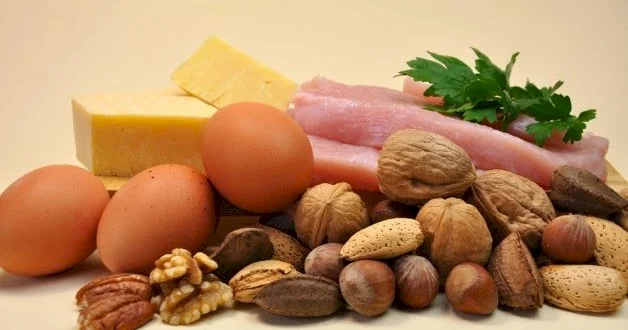
Surprising Study: Changing Your Diet May Make You Younger in Just One Month
SadaNews - Can changing your diet make your body younger? Research for years has indicated that diet significantly impacts health, but a new study suggests that the effects of food may be quicker and deeper than previously thought. The results have shown that making thoughtful dietary changes could contribute to lowering biological age in just four weeks.
According to the study reported by "Verywell Health", diets rich in complex carbohydrates and fiber, such as legumes, whole grains, vegetables, and fruits, combined with reducing processed foods and animal fats, achieved the best results.
What did the study reveal?
The study included 104 adults aged between 65 and 75 years, who were divided into four different dietary groups:
- A high-fat diet that includes animal products.
- A high-carbohydrate diet that includes animal products.
- A semi-vegetarian high-fat diet.
- A semi-vegetarian high-carbohydrate diet.
The results indicated that participants who followed the high-fat diet, which was closest to their usual dietary pattern, showed no significant changes in biological age, a measure reflecting the body's health at the cellular level.
In contrast, participants who followed the diet rich in complex carbohydrates experienced a noticeable and statistically significant decrease in biological age.
The two semi-vegetarian groups also recorded improvements, although the results were less statistically clear.
What are the most effective dietary patterns?
David Goldman, a researcher at the University of Helsinki specializing in nutrition and exercise science, noted that three dietary patterns stood out especially:
- Increasing the intake of complex carbohydrates from minimally processed foods.
- Following a plant-based or semi-vegetarian diet rich in legumes, whole grains, fruits, and vegetables.
- Increasing fiber intake while reducing animal proteins and saturated fats.
He explained that these patterns clearly differ from the participants' usual diets, and this change appears to be the main factor behind the observed improvement in biological age.
What is the meaning of biological age?
Goldman clarified that chronological age progresses at the same rate for everyone, whereas biological age reflects the true health status of the body at the cellular and molecular levels.
The researchers used a reliable scientific tool known as the Klemera-Doubal Method (KDM), which relies on a set of biomarkers such as:
- Blood sugar levels.
- Cholesterol.
- Blood pressure.
These are indicators that change predictably with aging.
The study focused on an index known as "ΔAge" (the difference between biological age and chronological age), which measures the gap between the estimated biological age and the actual age of a person.
If the result is positive, it means that the body is aging faster than expected, while a negative result indicates better health and greater resistance to aging.
Older individuals achieved the greatest benefit
One of the striking findings of the study was that older adults showed greater improvement compared to younger age groups.
Mehtab Jafari, a professor of pharmaceutical sciences and director of the Longevity Health Center at the University of California, Irvine, stated: "The results suggest that dietary intervention might have a greater impact on biological age in older adults compared to younger individuals. "
She added: "We can conclude that it's never too late to start following a healthy diet."
Can biological age really be changed?
The results of the study indicate that diet can bring about significant changes in aging indicators within a relatively short period of no more than four weeks, rather than over years or decades as previously believed.
Jafari believes that these results are important because they suggest that biological aging is more modifiable than previously thought, and dietary changes may help improve healthy years of life and their quality.
Should you change your diet?
Researchers caution that the study was limited in terms of the number of participants and the duration of follow-up, so it cannot be considered definitive evidence that changing one's diet will necessarily lead to a decrease in biological age.
However, the diet that achieved the best results closely resembles the Mediterranean diet, which numerous studies have shown is associated with better health, reduced inflammation, and improved gut health.
Foods associated with the best results
The most effective diets included larger amounts of:
- Vegetables.
- Legumes.
- Whole grains.
- Fruits.
- Plant-based foods rich in fiber.
Conversely, they contained fewer amounts of ultra-processed foods and animal fats.
Although these results do not guarantee a reduction in biological age for everyone, the researchers emphasize that following this dietary pattern is generally beneficial to health.
Jafari stated that the results may encourage people, particularly older adults, to incorporate more plant-based foods into their daily meals and benefit from their potential health effects.
 Follow the latest Sada News via Google News
World Cup: America Secures a Big Win, Canada Snatches an Exciting Draw

The England Stars' Shoes and Equipment Robbed in Major Heist in America

Smart Eyes Give Autonomous Cars a Human-like Vision

Watermelon is Not Just for Hydration... An Unexpected Benefit for Heart Health

Surprising Study: Changing Your Diet May Make You Younger in Just One Month

Why Does Poor Sleep Make You Feel Older?

Study: Dietary Supplement for Joint Pain Linked to Worsening Dementia
