

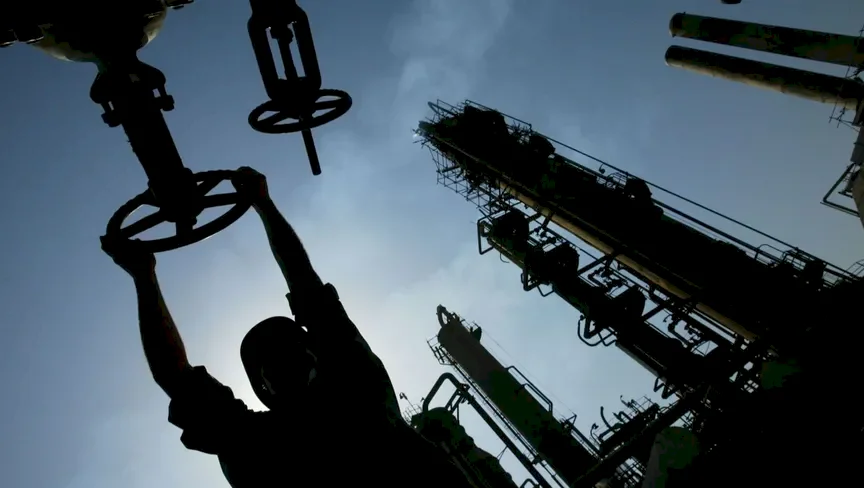
The War in the Middle East Redraws the Global Energy Map and Pushes Countries Towards Self-Sufficiency
SadaNews - The International Energy Agency noted on Thursday that the war in the Middle East is prompting countries to reconsider their energy strategies by adopting new supply methods and relying on their own resources to face the second crisis in this field in five years.
The agency's executive director, Fatih Birol, stated: "We are experiencing the most dangerous crisis the world has ever faced regarding energy security, and I believe it will reshape investment strategies worldwide, similar to the major transformations seen in the sector following the oil shocks of the 1970s."
He added in the report on global energy investment, published by the energy agency affiliated with the Organization for Economic Cooperation and Development: "We are already observing intensified efforts from both producing and consuming countries to diversify trade routes and energy sources, particularly through the construction of new pipelines, other supply infrastructures, and by increasing reliance on national resources."
The International Energy Agency projected that global energy investments will reach 3.4 trillion dollars in 2026, a slight increase compared to last year, with about 2.2 trillion dollars allocated for electricity networks, storage, low-emission fuels, nuclear energy, renewable energy sources, energy efficiency, and the transition from fossil fuels to electric energy.
Additionally, around 1.2 trillion dollars is expected to be invested in oil, natural gas, and coal.
However, the agency anticipated that oil investments will decline in 2026 for the third consecutive year, expecting them to fall below 500 billion dollars despite rising crude prices.
The agency attributed this to the uncertainty regarding the duration of high prices, the long timelines for project implementation, supply disruptions, and the shrinking market for offshore platforms, factors that limit short-term investments outside the Middle East.
In contrast, investments in natural gas are expected to reach 330 billion dollars, "the highest level in ten years, driven by a wave of new liquefied natural gas export projects, particularly in the United States and Qatar."
Oil-importing countries are simultaneously moving towards energy sources "available on their territories," primarily renewable energies, nuclear, and coal.
The International Energy Agency estimated that investments in renewable energy sources will reach about 665 billion dollars in 2026, with 365 billion dollars allocated solely for solar energy.
As for investments in nuclear energy, they are "continuing to recover," expected to exceed 80 billion dollars annually, while investments in coal are anticipated to reach 180 billion dollars, "the highest level since 2012."
China alone is expected to account for about 70 percent of global spending on coal supplies, and some Asian countries may seek "to extend the lifespan of their existing coal plants to enhance their energy security."
Finally, the agency stated that investments in electricity supply and its infrastructure will reach about 1.6 trillion dollars in 2026, of which approximately 550 billion will be allocated for electricity networks, while investments in battery storage are expected to exceed 100 billion dollars.
 Follow the latest Sada News via Google News
The World Bank Warns: "The Worst-Case Scenario" for Global Growth is Approaching

Trump Prepares to Impose New Tariffs on Dozens of Economies

Gold Surpasses $4,100 as Selling Pressure Eases

Oil Rises for the Fourth Day as Supply Risks Escalate

An Additional $8 Billion.. A New Account from the Pentagon on the Cost of the War with Ira...

London Stock Exchange Enters the Era of 24/7 Trading

Shamaran Petroleum: Suspension of Oil Production in Duhok Fields in the Kurdistan Region o...
