

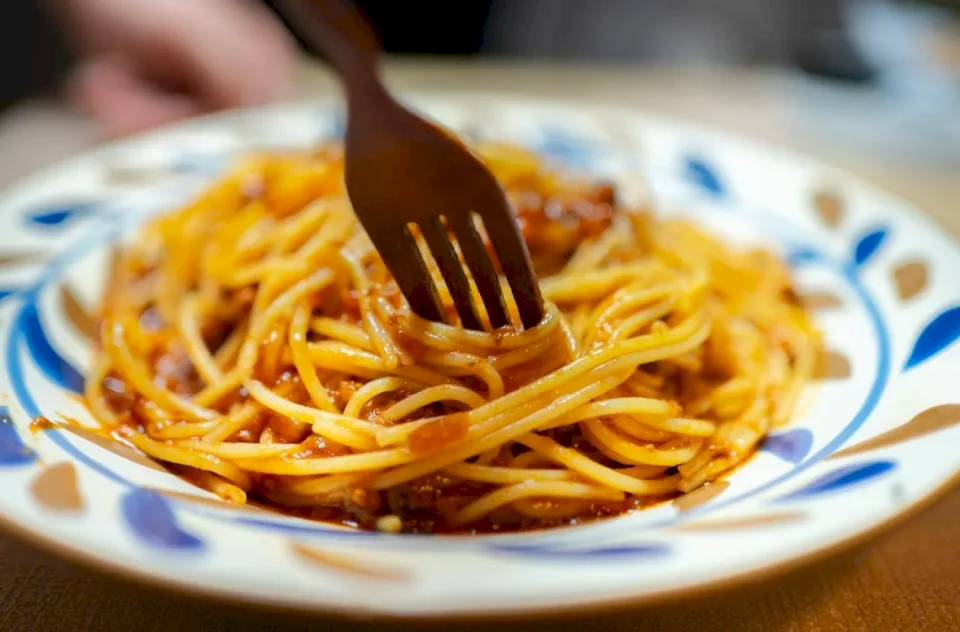
Does Pasta Raise Blood Sugar? Facts That May Change How You Consume It
SadaNews - Despite the common reputation linking pasta to a rapid increase in blood sugar levels, its actual effect may be more complex than many believe. Nutrition experts affirm that the way it is consumed and prepared can make a significant difference in the body's glucose response.
A report published by "Verywell Health" discusses how pasta affects blood sugar levels, and why some methods of consuming it may be better than others, according to recent studies and nutrition experts.
Why might pasta raise blood sugar more slowly than you expect?
Although pasta is rich in carbohydrates, its structure gives it a relatively low glycemic index for many people. Traditional wheat pasta contains tightly bonded starch granules that are digested more slowly compared to the starches found in white bread or instant white rice.
A study published in 2019 found that pasta triggers a lower sugar response compared to white rice, likely due to the dense network of protein and starch present in it. However, responses vary from person to person, with serving size and cooking method also affecting blood sugar levels.
Factors affecting glucose response include:
- Cooking pasta "al dente" (firm) slows digestion.
- Overcooking it causes it to break down faster and raises blood sugar levels more quickly.
- Large portions increase carbohydrate load, thus raising blood sugar more significantly.
- Frequent consumption of pasta may affect insulin response.
When pasta is eaten regularly, the body is subjected to repeated carbohydrate amounts that require insulin to transport glucose into the cells. For some individuals, especially those with insulin resistance, this may lead to greater spikes in blood sugar after meals.
Research suggests that carbohydrate-rich meals increase the burden on the body to release insulin, which may cause greater spikes in blood sugar after eating, particularly in diabetics or those with insulin resistance.
Is pasta forbidden?
However, this does not mean that pasta is forbidden; rather, the overall dietary pattern is the most important factor.
When incorporating pasta into the diet, experts recommend:
- Reducing portion sizes to lighten the burden on insulin.
- Consuming it with protein or fiber to reduce glucose spikes.
- Choosing whole grain pasta to support long-term blood sugar control.
Additives Change Pasta's Effect on Blood Sugar
The body's response does not depend solely on the pasta; sauces, oils, cheese, meats, and side dishes also play a significant role. Meals containing protein, vegetables, and healthy fats slow down the digestion process and reduce sugar spikes after eating.
Studies show that combining carbohydrates with protein or fats results in lower glucose spikes compared to consuming carbohydrates alone.
Examples include:
- Adding chicken, legumes, or seafood slows digestion.
- Vegetables increase fiber and reduce blood sugar peak.
- Creamy sauces or cheese delay stomach emptying, changing the timing of glucose spikes.
- Cold or reheated pasta may be better for blood sugar.
The method of preparing pasta not only affects its taste but also the structure of the starch inside. When pasta is cooked, then cooled and eaten cold or reheated later, part of the starch converts to what is known as "resistant starch," which behaves similarly to fiber.
This type of starch helps slow digestion and reduces rapid spikes in blood sugar. A 2019 study showed that cooling starchy foods and then reheating them increases resistant starch formation and mitigates the glucose response after consumption.
This means that leftover pasta may behave quite differently than fresh pasta:
- Cooked and cooled pasta produces resistant starch that slows digestion.
- Cold pasta salad may cause a lower blood sugar rise.
- Reheating retains some of the benefits of resistant starch.
- Whole grain pasta provides a more stable response.
 Follow the latest Sada News via Google News
The Egyptian Federation Files Official Complaint Against Referee Letexier

Do You Know How to Comfort Someone Who is Crying? Here's What to Say and Do in Tough Momen...

"Backrooms": From Digital Legend to Cinematic Phenomenon

Prediabetes.. The Silent Bomb Carried by Millions Without Their Knowledge

From Sweden 1958 to the Epic of Egypt 2026.. Argentina's History with World Cup Comebacks

After the South Africa Precedent.. Nigeria Investigates the Encroachment of Technology Com...

Argentine Admission and Global Consensus on the Referee's Injustice to Egypt's National Te...
