

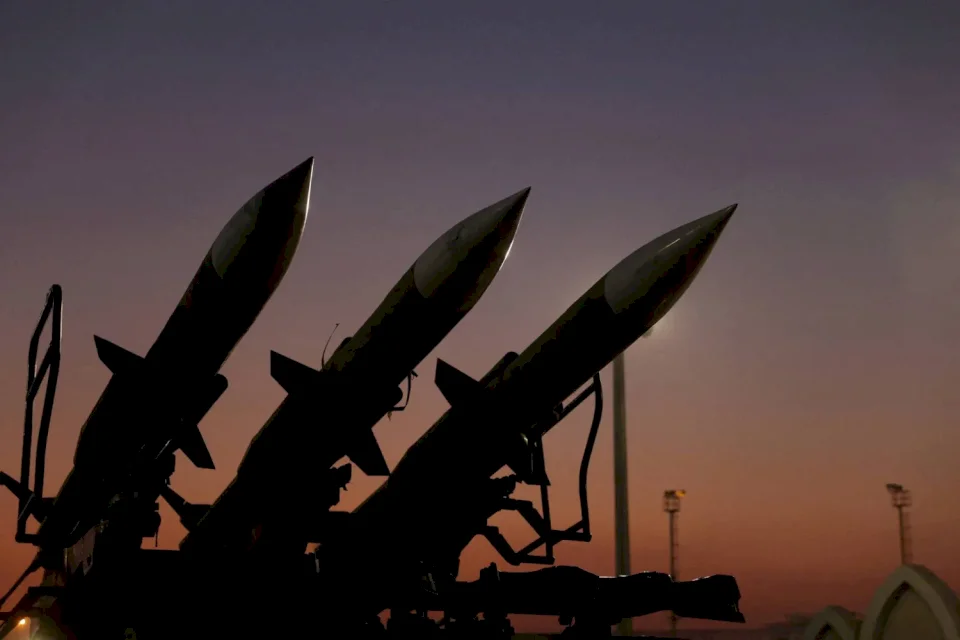
Report: 90% of Underground Missile Storage and Launch Facilities in Iran are Operational
SadaNews - US intelligence reports indicate that the Iranian military has largely retained its missile capabilities, contrary to statements from the administration of US President Donald Trump, which insisted that the military had been "completely destroyed".
The American newspaper "The New York Times" reported last night, based on classified intelligence documents from last May, that Iran has regained access to 30 missile bases out of 33 in the Strait of Hormuz.
The newspaper added that Iran still retains about 70% of its missile stockpile that it had before the war, in addition to mobile launch platforms.
It noted that approximately 90% of the underground facilities for the storage and launching of missiles across the country have become "partially or fully operational".
Commenting on the report, White House Deputy Press Secretary Olivia Wells reaffirmed the US administration's statements about the "crushing" of the Iranian military.
Wells stated that those who believe the Iranian military has been restructured are "either fooling themselves or speaking on behalf of the Iranian Revolutionary Guard".
For his part, US President Donald Trump said in a post on his platform "Truth Social" on Tuesday evening that suggesting the Iranian military is still in good shape "almost amounts to treason".
It is worth noting that some American media outlets have recently published reports indicating that Iran still possesses significant military power, something Trump has repeatedly and vehemently denied, affirming that the Iranian military has been "destroyed".
The United States and Israel declared war on Iran on February 28, and Tehran responded with attacks on Israel and what it described as "American sites and interests" in the region, before Washington and Tehran announced a temporary ceasefire on April 8, mediated by Pakistan.
Pakistan hosted a round of talks between the US and Iran on April 11, but they did not result in an agreement to end the war, before Trump later announced an open-ended extension of the ceasefire.
As negotiations stalled, Washington began on April 13 to impose a naval blockade on Iranian ports, including those overlooking the Strait of Hormuz, prompting Tehran to prevent passage through the strait without coordination with them.
 Follow the latest Sada News via Google News
The General Secretariat of the Organization of Islamic Cooperation Affirms the Role of UNR...

Paul's Initiative in Libya: A Real Settlement or a New Division of Influence and Resources...

The Ghost of El Fasher Haunts El Obeid.. A Funding Gap Threatens the Lives of 20 Million H...

Dozens Dead and Injured in Russian Missile and Drone Attack on Kyiv

8 Dead and Injured.. Russia Launches Deadly Attacks on Kyiv

Aoun calls on those opposed to the "framework agreement" to present an alternative

The Organization of Islamic Cooperation Welcomes the UN Report on Occupation Against Child...
