

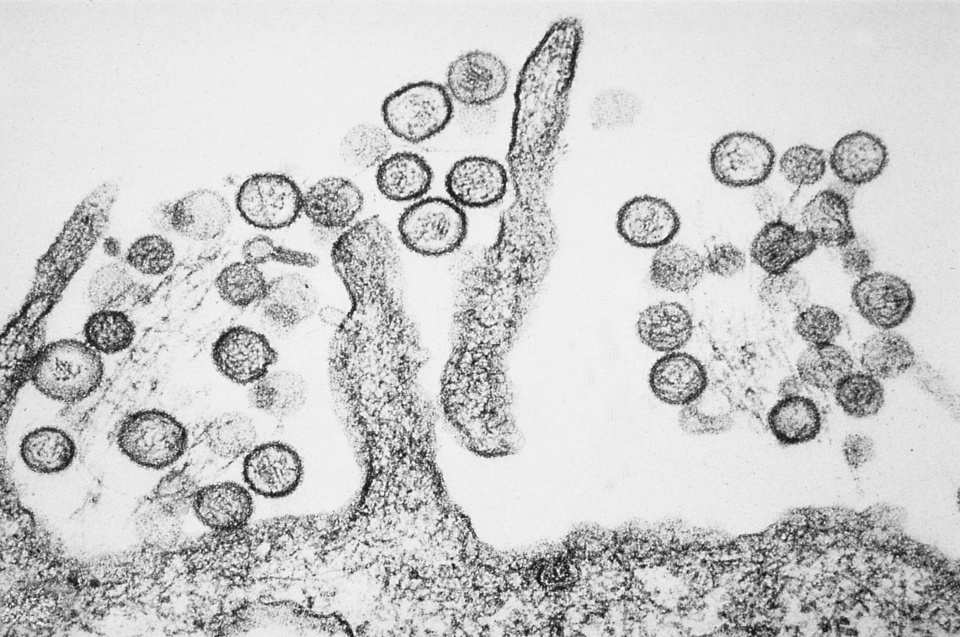
What Do We Know About the Deadly Hantavirus?
SadaNews - Suspicions regarding the outbreak of the Hantavirus on a cruise ship, which resulted in the death of 3 individuals and the infection of others, have raised health concerns, especially with the World Health Organization announcing its monitoring of the incident and investigating its circumstances.
The organization stated that the ship, belonging to a Dutch company, had embarked on a journey from Argentina about 3 weeks ago, passing through Antarctica, before reaching off the coast of Cape Verde, where cases were reported.
The regional director of the organization in Europe confirmed that "the risk to the public remains low, and there is no need to impose travel restrictions or take emergency measures," as investigations continue to accurately determine the source of infection.
The virus is considered a relatively rare disease, but it can be dangerous if it develops, which necessitates understanding its nature, transmission methods, and symptoms.
What is the Hantavirus?
The "Hantavirus" refers to a group of viruses that are primarily transmitted through rodents, especially mice, where the virus lives in their urine, feces, and saliva.
Humans can become infected by inhaling contaminated particles in the air, or by touching contaminated surfaces and then touching their nose or mouth. Unlike some other viruses, human-to-human transmission is extremely rare.
Historically, Hantaviruses have been documented for centuries in regions of Asia and Europe, where they were associated with hemorrhagic fever cases accompanied by kidney failure.
In the early 1990s, a new type was discovered in the United States causing a severe respiratory disease known as Hantavirus Pulmonary Syndrome.
Symptoms
The virus is transmitted from rodents to humans, and its transmission between humans is extremely rare, occurring only in very limited cases, like certain strains from South America. Therefore, experts believe that the source of infection on the ship is related to environmental contamination or indirect exposure to rodents, rather than widespread transmission among passengers.
The incubation period typically ranges from one week to four weeks. Initially, flu-like symptoms appear, such as:
Fever and chills
Muscle aches
Headache
Nausea and vomiting
However, in some cases, the condition may rapidly develop into severe complications, including:
Severe difficulty breathing (in the pulmonary type)
Low blood pressure
Kidney failure (in some types)
The pulmonary form is one of the most severe types, as it can lead to death if not addressed promptly.
Why Does it Pose a Risk on Ships and Enclosed Places?
Enclosed environments like cruise ships may facilitate the spread of infection if rodents are present or if there is contamination in ventilation systems or food stores. Therefore, any suspicion of the virus's presence requires strict measures, including disinfection, rodent control, and monitoring of contacts.
Is There a Treatment or Vaccine?
So far, there is no specific direct treatment for Hantavirus, nor is there a widely approved vaccine.
Treatment relies on supportive care, such as providing patients with oxygen or intravenous fluids, and sometimes intensive care.
Early diagnosis is crucial in improving survival chances.
Preventive Measures
In light of the absence of a specific treatment, prevention remains the most important means, including:
Avoiding exposure to rodents or their droppings
Keeping enclosed areas clean
Ventilating areas before cleaning them
Using gloves and masks when dealing with suspected contaminated areas
When Should Medical Help Be Sought?
Health authorities warn that the symptoms of Hantavirus Pulmonary Syndrome can quickly worsen and become life-threatening.
Doctors advise consulting a physician when flu-like symptoms worsen over days, emphasizing the necessity of seeking immediate medical attention if breathing difficulties occur.
Despite its rarity, the "Hantavirus" remains a genuine health threat when it arises, especially in enclosed environments, and the ongoing investigation may shed light on how the outbreak occurred and underscore the importance of preventive measures and health monitoring to prevent the recurrence of such incidents.
 Follow the latest Sada News via Google News
You Are No Longer Bound to Your Computer.. OpenClaw Reaches Mobile Phones Amid User Compla...

Senegal and Congo as Examples: Why Do Teams Collapse in the Final Minutes?

Heat Waves: Why Do Some People Die While Others Survive?

How 'The Last Miracles' Was Born from Naguib Mahfouz's Story? The Film Director Reveals th...

Hollywood Enters the 'Microdrama' Race, Betting on Smartphone Audiences

6 Surprises Await You at Samsung's Upcoming Conference.. What Will the Company Reveal?

Combining the Flavor of Coffee with the Calm of Tea.. Can Hojicha Become a New Competitor...
