

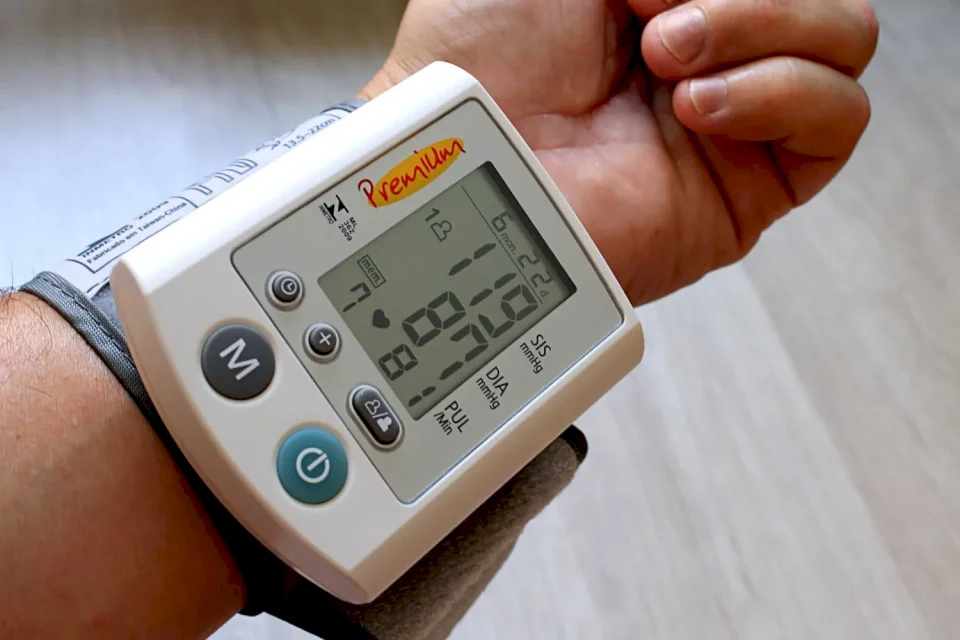
Do You Trust Your Home Blood Pressure Monitor? Inaccurate Readings May Lead to Wrong Treatments
SadaNews - In an era where home medical devices have become part of the daily routine, the blood pressure monitor stands out as one of the most widely used and relied upon tools. With an affordable price and ease of use, this device gives its user a sense of reassurance and the ability to monitor their health status regularly. However, behind this simplicity lie serious questions: Are these readings really accurate? Can they be trusted for making decisions that affect treatment and health?
Experts assert that home blood pressure measurement provides a more realistic picture compared to clinic measurements, which can be affected by anxiety or stress factors. Additionally, it helps patients track their response to medications or lifestyle changes, making it an essential tool in the daily management of health conditions. However, this benefit can turn into a risk if the device itself is unreliable, according to Harvard Medical School.
Worrying Studies... Striking Numbers
In a scientific letter published in 2023 in a prestigious medical journal, an international team of researchers revealed that a significant proportion of the best-selling blood pressure devices do not undergo accurate testing to verify their accuracy.
The study analyzed the most popular devices online across 10 countries, concluding that about 79 percent of upper arm devices and 83 percent of wrist devices had not been clinically validated.
Other research indicates that between 85 and 94 percent of available devices in the markets may be unapproved, a figure that raises concern, especially given their widespread use.
The Danger of Misleading Readings
The primary problem is that the unapproved device may yield inaccurate readings, opening the door to incorrect medical decisions. A patient may think their blood pressure is high and rush to see a doctor unnecessarily, or conversely, believe it is within normal limits while their condition requires intervention.
In some cases, these readings may lead to adjustments in medication dosages or prescriptions for new treatments without need, exposing the patient to complications that could have been avoided. Here, the error lies not so much in the diagnosis but in the data source itself.
Why Are Unified Standards Lacking?
Experts believe the greatest challenge lies in the absence of a single global body that imposes unified standards for testing these devices. Instead, the process relies on various independent medical bodies and organizations setting standards for accuracy verification, while the burden of testing falls on the manufacturers themselves.
In some countries, it is enough for the manufacturer to prove that the device is "safe" for use, meaning it does not cause direct harm, without requiring them to demonstrate measurement accuracy. Here lies the paradox: a device that is technically safe may lead to inappropriate treatment due to inaccurate data.
Positive Indicators... Reliable Lists
Despite these challenges, initiatives have emerged from trusted medical entities that have prepared lists of devices validated for accuracy according to scientific standards. These lists allow consumers to search using the device name, company, or model number, aiding in making a more informed purchase decision.
How to Validate Your Device?
If you own a home device, experts recommend checking it against these approved lists. If you cannot find it, this does not necessarily imply it's inaccurate, but it does warrant caution.
The most practical step remains to bring the device to your medical appointment and request a comparison of its readings with the clinic's device. If noticeable differences appear, it may be best to replace it to avoid any inaccurate treatment decisions.
When Buying... Simplicity Matters More Than Price
Getting a good device does not require significant spending, as reliable devices typically range from about $50 to $100. The most important thing is having essential features, such as a clear display, a cuff that fits around the upper arm and works automatically, and ease of use.
Choosing the correct cuff size is also critical because a tight cuff can give falsely elevated readings. It is also preferable for the device to have a battery indicator or operate with electricity to avoid sudden interruptions.
Accurate Measurement... For More Precise Results
Even with a reliable device, the method of use remains a crucial factor in accuracy. It is advisable to sit in a comfortable position, with the back straight and feet on the ground, keeping the arm at heart level. Additionally, one should relax for a few minutes before measuring, avoid talking during the measurement, and re-measure after a minute or two to confirm the result.
When to Measure Your Blood Pressure?
At the beginning of home monitoring, it is advisable to measure blood pressure in the morning and evening for a week. If readings stabilize within the desired range, the frequency can be gradually reduced.
However, if abnormal changes appear, communicating with a doctor remains the most crucial option, as a single reading may not mean much, but repeated measurements may indicate something that deserves attention.
In the end, a home blood pressure monitor remains a useful tool, but its true value lies not in merely owning it, but in its accuracy and proper usage... For between a correct number and a misleading one, decisions that make a real difference in human health can be determined.
 Follow the latest Sada News via Google News
After Deschamps' Departure... Zinedine Zidane Tops the Candidates to Lead France

Mbappe Surpasses Messi and Becomes the All-Time Top Scorer in the World Cup

England Defeats France and Achieves Largest World Cup Achievement Since 1966

Messi Refused to Play for Spain and Missed 3 World Cups

Publishers Sue Google for Allegedly Using Books to Train Artificial Intelligence

Google Expands Capabilities of Google Search Console to Support Social Media Accounts

The Mediterranean Table... An Ancient Diet Revealing Its New Secrets for Health and Longev...
