

Study reveals: Phone scrolling strains the fingers
SadaNews - A recent research study revealed an unusual aspect of smartphone use, which is the physical effort exerted by the fingers during daily interactions with screens, as users spend long hours scrolling, tapping, and browsing.
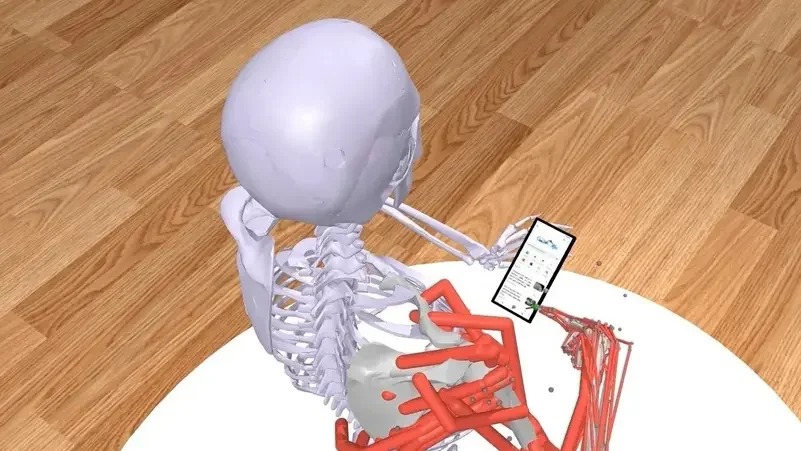
Researchers from Aalto University and Leipzig University relied on a new artificial intelligence model called "Log2Motion," aimed at converting phone usage logs into an accurate motion simulation that resembles human hand movement while using applications.
The model creates what resembles a digital framework that simulates finger movement on the screen, capable of actually running applications through software emulation, allowing for tracking the motor effort for each scroll, tap, or swipe.
Not all movements are equal
The results showed that some usage patterns require more effort than others, as it was found that scrolling vertically up and down is more strenuous compared to other movements.
Additionally, tapping on small icons or reaching the corners of the screen requires extra finger effort.
According to the researchers, these differences may seem minor each time, but they become more apparent when repeated hundreds of times daily within the intensive use of short content applications.
A tool that currently benefits designers more than users
Researchers indicate that the importance of this model currently lies in supporting app developers by designing less strenuous and more comfortable user interfaces, rather than solely relying on click data without understanding the accompanying physical effort.
The model could also contribute to improving the experience for individuals with disabilities by simulating different conditions such as limited movement or the use of prosthetic limbs, which helps in developing more inclusive applications.
Broader potential uses
This type of simulation can be expanded to include daily usage scenarios, such as browsing the phone while lying down or using it with one hand, which are common situations among users.
The study concludes that interacting with a phone is not just a passive digital activity, but involves repeated motor effort that may seem simple but accumulates over time to form a real burden on users.
 Follow the latest Sada News via Google News
After Deschamps' Departure... Zinedine Zidane Tops the Candidates to Lead France

Mbappe Surpasses Messi and Becomes the All-Time Top Scorer in the World Cup

England Defeats France and Achieves Largest World Cup Achievement Since 1966

Messi Refused to Play for Spain and Missed 3 World Cups

Publishers Sue Google for Allegedly Using Books to Train Artificial Intelligence

Google Expands Capabilities of Google Search Console to Support Social Media Accounts

The Mediterranean Table... An Ancient Diet Revealing Its New Secrets for Health and Longev...
