

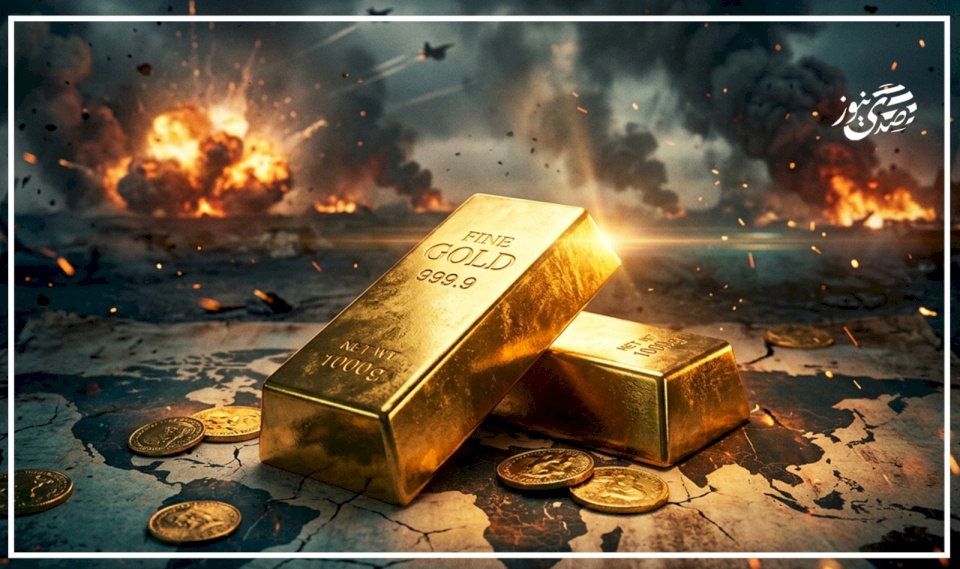
Gold Falls Amid Rising Inflation Fears and Hormuz Crisis
SadaNews - Gold has fallen amid rising concerns about inflation, following the conclusion of peace talks between the United States and Iran without reaching an agreement, and intensifying U.S. plans to impose a blockade on the Strait of Hormuz, shocking global energy supplies.
The precious metal dropped by as much as 2.2% to below $4,650 an ounce at the start of trading before trimming its losses.
The U.S. military stated that it would begin enforcing the blockade at 10 a.m. Eastern Time on Monday, after weekend negotiations with Iran failed to secure an agreement to transform a fragile ceasefire into lasting peace following six weeks of war in the Middle East.
Oil and natural gas prices surged, with U.S. President Donald Trump also stating that the United States would intercept any vessel that paid fees to Iran for safe passage through Hormuz, the narrow maritime corridor connecting the Arabian Gulf to global markets.
Before the war, one-fifth of the world’s crude oil and liquefied natural gas passed through the strait.
Inflation Pressures Gold and Strengthens the Dollar
Paras Gupta, head of discretionary investment portfolio management in Asia at "Union Bank of Switzerland", said: "It is clear that the weekend events put the fragile ceasefire at risk, and it is likely to prolong the conflict."
He added that gold price movements were "less severe" than they were at the start of the war, although the "real test" will come with London reopening on Monday morning.
Stock futures dropped, and the dollar index rose by as much as 0.5%, putting pressure on gold priced in U.S. dollars.
The rise in energy prices has also increased inflationary risks, making it likely that central banks will delay rate cuts or raise them. This is negative for gold, which yields no return and benefits when borrowing costs are low.
In an early assessment of the war’s impact on the U.S. economy, inflation in March rose at its fastest pace in nearly four years, with a record increase in gasoline prices accounting for around three-quarters of the monthly increase, according to data from the Labor Department released on Friday.
The price of gold has declined by about 11% since the start of the conflict at the end of February, as liquidity shortages in the early weeks drove investors to sell the metal to cover their losses in other markets. Recently, gold has regained some of its losses as the focus has shifted to economic growth slowdown, easing inflationary risks.
Spot gold fell by 0.6% to $4,723.55 an ounce at 10:01 a.m. Singapore time. Silver dropped by 2% to $74.36 an ounce. Platinum also declined, while palladium rose slightly. The Bloomberg dollar spot index increased by 0.3%.
 Follow the latest Sada News via Google News
The World Bank Warns: "The Worst-Case Scenario" for Global Growth is Approaching

Trump Prepares to Impose New Tariffs on Dozens of Economies

Gold Surpasses $4,100 as Selling Pressure Eases

Oil Rises for the Fourth Day as Supply Risks Escalate

An Additional $8 Billion.. A New Account from the Pentagon on the Cost of the War with Ira...

London Stock Exchange Enters the Era of 24/7 Trading

Shamaran Petroleum: Suspension of Oil Production in Duhok Fields in the Kurdistan Region o...
