

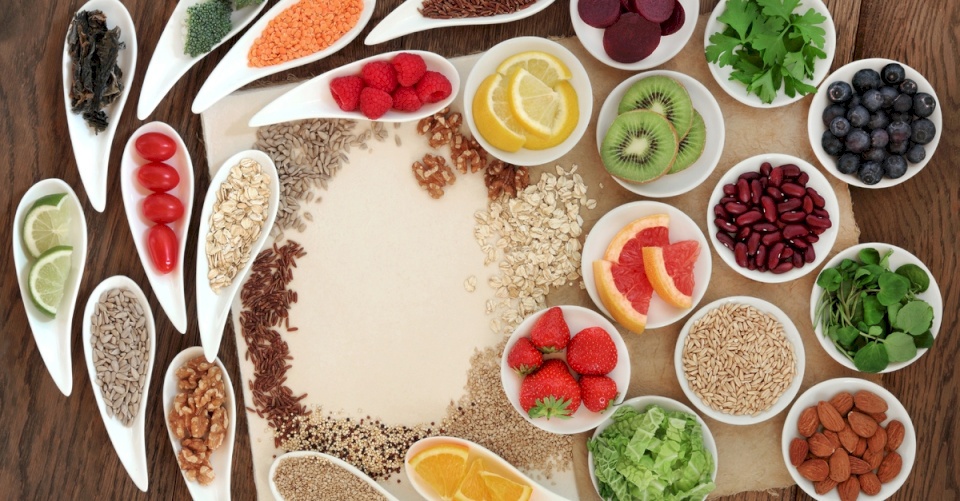
Natural Alternatives to Get Fiber Instead of Supplements
SadaNews - Fiber plays an essential role in improving digestive health and regulating bowel movements, as well as helping to lower cholesterol and improve blood sugar control. Despite the prevalence of fiber supplements in pharmacies, nutrition experts confirm that obtaining fiber from natural foods is often the better option.
Fiber-rich foods not only provide this substance but also contain vitamins, minerals, and antioxidants that support overall health.
According to the health website "VeryWellHealth," here are five foods that can help meet the body's fiber needs without the need for dietary supplements.
Kiwi
Kiwi is one of the fruits beneficial for digestive health. A study comparing the consumption of two kiwi fruits daily with fiber supplements showed that both options helped improve bowel movements in individuals suffering from constipation. However, those who consumed kiwi experienced less bloating compared to those who used supplements, making it an effective natural option.
Chia Seeds
Chia seeds are among the most fiber-dense foods. Two tablespoons contain about 10 grams of fiber. The fiber in chia helps increase stool bulk, making it easier to pass through the intestines and results in more regular bowel movements.
Some studies have also found that chia seeds can be as effective as some fiber supplements in improving chronic constipation.
Legumes
Legumes include varieties such as beans, lentils, chickpeas, and peas, and are rich sources of fiber and plant protein. Studies have shown that consuming half a cup of legumes daily can help improve bowel movements and support digestive health.
These foods also help produce beneficial fatty acids in the intestines, compounds that may reduce the risk of heart disease and diabetes.
High-Fiber Breakfast Cereals
Whole grain breakfast cereals are a good option to increase fiber in the diet.
However, experts recommend carefully reading nutrition labels and choosing products that are high in fiber and low in sugar and fat, as products made from oats, whole wheat, quinoa, or brown rice provide more fiber than those made from white flour.
Avocado
A medium-sized avocado contains over 13 grams of fiber, in addition to healthy fats that are good for the heart.
Some studies have indicated that consuming avocado may help lower cholesterol and improve blood sugar control. However, due to its relatively high calorie content, it is best consumed in moderation as part of a balanced diet.
Nutrition experts emphasize that most people do not get enough fiber daily, so it is recommended to increase the consumption of vegetables, fruits, whole grains, and legumes. Obtaining fiber from natural foods not only helps treat constipation but also contributes to enhancing heart health, regulating blood sugar, and supporting digestive health.
 Follow the latest Sada News via Google News
After Deschamps' Departure... Zinedine Zidane Tops the Candidates to Lead France

Mbappe Surpasses Messi and Becomes the All-Time Top Scorer in the World Cup

England Defeats France and Achieves Largest World Cup Achievement Since 1966

Messi Refused to Play for Spain and Missed 3 World Cups

Publishers Sue Google for Allegedly Using Books to Train Artificial Intelligence

Google Expands Capabilities of Google Search Console to Support Social Media Accounts

The Mediterranean Table... An Ancient Diet Revealing Its New Secrets for Health and Longev...
