

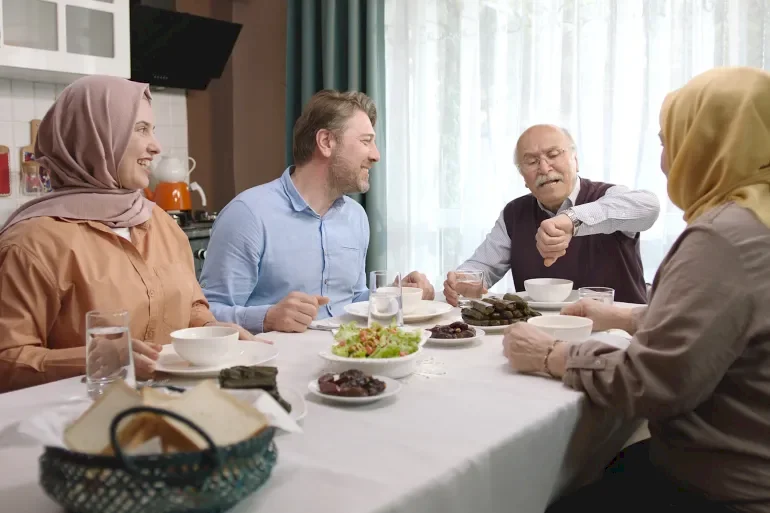
Smart Hospitality Etiquette for the Elderly During Ramadan Gatherings
SadaNews - As the time for iftar in Ramadan approaches, homes turn into a small theater for memories and laughter, where the gathering is complete with the presence of the elders before the younger ones. The attendance of grandparents or elderly relatives is not just a regular detail in the Ramadan scene; it is its beating heart and hidden blessing. However, this hosting requires a different awareness, one that goes beyond traditional hospitality to respect the privacy of age, health of the body, and sensitivity of the spirit. In this report, we delineate the outlines of a human Ramadan etiquette that places the elderly in the spotlight, as the stars of the gathering, not mere passing guests.
How to Prepare the "Majlis Chair"?
The importance of the seating place for the elderly is as significant as the quality of the food served to them, as it directly influences their sense of comfort and enjoyment of the visit from the very first moment until the end.
The first step is to choose a suitable seat in terms of height and firmness; deep and soft sofas, despite their beauty, can strain the joints of the elderly and make getting up from them difficult, while a higher and more solid seat provides a sense of security and self-reliance.
Attention should also be given to the atmospheric factor, placing the seat away from direct air conditioning drafts or doors, as the elderly are quickly affected by cold air and suffer from what is known as bone aches.
The small details remain significantly impactful, such as providing a side table next to the seat for placing reading glasses, phones, or worry beads, which reduces the need to bend frequently and grants them a greater sense of comfort and dignity.
How to Pass the Time of Waiting Peacefully?
The hour before the Maghrib call to prayer is the hardest for the elderly fasting person, thus it is essential that it passes gently and calmly, away from noise and tension.
Visual memory is an effective tool here. Old family photo albums, particularly paper ones, open the appetite for memories and invite spontaneous conversations about the past, taking them from the fatigue of fasting to the warmth of stories.
On a spiritual note, many elderly people prefer listening to the Quran radio station or old religious chants via a simple radio, instead of loud television screens. The familiar sound grants them tranquility and a deep emotional connection to the holy month.
It is also preferable to prepare a nearby worship corner that includes a prayer rug, a Quran in large print, and good lighting. These details allow them to practice their spiritual rituals quietly without the hassle of moving around the house.
Etiquette of Conversation… Breaking the Isolation of the "Digital Generation".
One of the most alienating experiences for the elderly amidst their family is the youth's immersion in technical talks or internet terminology that they do not understand. Here, the role of the host as a facilitator of conversation comes into play.
If a conversation starts about a new application or trend, it is courteous to explain it simply to the elderly, involving them by asking for their opinion. In this way, they do not feel out of context but rather an integral part of the discussion.
It is also important to give them the space of the "storyteller." Asking questions like: "Tell us, grandfather, about the hardest Ramadan you fasted in your youth" can transform the elderly from silent listeners to the center of attention, with everyone listening to them respectfully.
As for the phones, there should be an unspoken agreement, especially with children and youth, not to use the phone while the elderly are speaking. Looking at the screen during such moments is a silent insult in communication etiquette, diminishing the value of what they say and making them feel unappreciated.
Table of Safety
True hospitality is not measured only by the variety of dishes but by the degree to which the guest feels safe while eating.
For patients with high blood pressure, lemon and herbs like thyme or rosemary can replace salt in marinating grilled foods, without sacrificing taste.
As for desserts, it is preferable to present them wisely: baked qatayef or kunafa, with a light sprinkle of honey or diet sugar, rather than drowning them in heavy syrup.
For drinks, cold hibiscus tea is an appropriate option for high blood pressure patients, while lemon with mint without sugar is offered to diabetic patients. The key is to present these options as "healthy for everyone" not "food special for patients," in order to preserve their morale and sense of participation.
Etiquette of Farewell… A Conclusion Worthy of Love
Saying goodbye to the elderly is just as important as welcoming them; the way the visit ends leaves an emotional impact that may last longer than the details of the gathering itself. It is courteous to ensure that the gathering does not extend to the point of exhaustion, and to be attentive to signs of fatigue or drowsiness, especially after iftar.
It is preferable to accompany the elderly to the door, ensuring their return method is ready and comfortable. A heartfelt thank you, a gentle touch, and a simple affirmation of happiness at their presence are enough to make them leave feeling appreciated and warm, eagerly anticipating the next visit with longing and reassurance.
Source: Websites
 Follow the latest Sada News via Google News
Usernames on WhatsApp Spark Debate Between Privacy and Fraud Risks

10 Films That Marked the First Half of This Year

A New Apple System Monitors Fraud Indicators Before Sensitive Transactions

New Drug Gives Hope to Pancreatic Cancer Patients

How to benefit from taking vitamins and dietary supplements?

Study: Experimental Drug Promises Treatment for Patients with Life-Threatening Respiratory...

A Recent Study Explains... Why Did the Antarctic Freeze Before the Arctic?
