

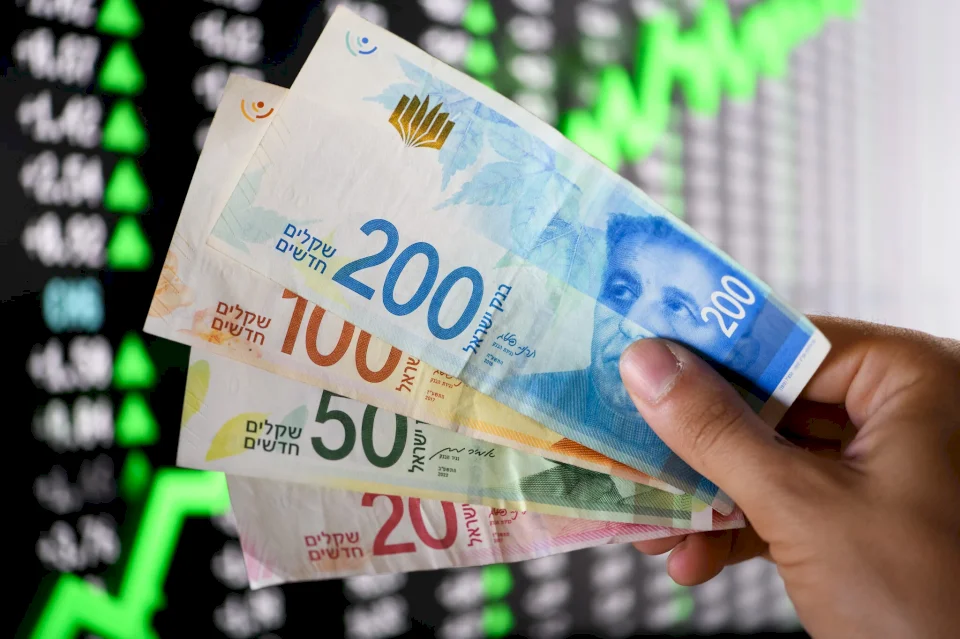
The Strength of the Shekel Threatens Israeli Technology Companies and Exports
SadaNews Economy Translation - Israeli technology companies have warned of an economic crisis unfolding as the shekel approaches its highest level in 33 years.
According to the Times of Israel, as translated by SadaNews Economy, there are concerns about the erosion of the main growth engines of Israel's economy.
It noted the silence of the Bank of Israel and the Israeli government, preferring to avoid addressing the issue in ways that serve the interests of both parties.
The Israeli Ministry of Finance confirmed that the central bank possesses a arsenal of monetary tools that could help mitigate the sharp rise of the shekel.
The Bank of Israel has several public policy tools in its arsenal, the most important of which is the interest rate. It may also buy or sell foreign currency to alleviate the negative impact of the strong shekel (or its weakening) on inflation and economic activity, and these capabilities have not yet been utilized.
Speaking at a conference held in early May, Bank of Israel Governor Amir Yaron acknowledged that the shekel's appreciation of 20% against the dollar over the past year harms exporters' profitability.
However, Yaron announced that while the central bank's monetary policy tools are extensive, intervention in the foreign exchange market has been limited to unusual exchange rate movements or reserved for circumstances of market failure.
Yaron stated that the strength of the local currency reflects investor optimism regarding the ceasefire agreement between the United States and Iran, strong capital inflows, and the resilience of the Israeli economy despite nearly three years of quasi-continuous warfare.
However, technology exporters and manufacturers are increasingly warning that the strong shekel jeopardizes this resilience.
On Thursday, the President of the Israeli Manufacturers Association Abraham Novogrotsky urged the Bank of Israel to take immediate action and lower interest rates to slow the ongoing rise of the shekel against the dollar, according to SadaNews Economy translation.
Novogrotsky said: "Israel is losing its growth engines, which will have severe consequences for the economy and harm everyone," warning: "We are losing our technological advantage that has built up over decades."
He added: "High-tech companies and research and development centers have already started migrating abroad, and some have already relocated - this is not a theoretical prediction; this is a reality happening before our eyes."
Exporters also called on the Ministry of Finance to provide a support package, along with incentives that will continue to make Israel attractive for business operations and investments.
The Ministry of Finance and the Bank of Israel declined to comment on this statement regarding potential measures to address the growing destructive impact of the strong shekel on Israel's industry and economy.
Exporters, which include most high-tech companies and traditional manufacturers and multinational companies, earn their money primarily outside of Israel and are paid in dollars. However, they pay salaries, overhead costs, taxes, and other expenses in shekels, which have become more expensive due to the strength of the local currency.
This forces companies to make tough decisions with harmful local consequences, according to the newspaper, as translated by SadaNews Economy.
Novogrotsky warned that the losses will be borne not only by local companies but will flow to the general public, stating: "Without any action, the Israeli public will pay the price through increased taxes, reduced public services, and damage to the quality of work."
Exports account for up to 40% of Israeli economic activity. In the first three months of the year, merchandise exports fell by 5% after a decline of 7.4% in 2025 in shekel terms, according to data from the Central Bureau of Statistics.
The local technology industry generates about 20% of the GDP, is responsible for more than 50% of exports, and about 30% of payroll taxes. It also employs about 11% of the workforce in Israel.
The newspaper stated: If no action is taken to stop the ongoing strengthening of the shekel, export losses could reach 31.5 billion shekels (10.9 billion dollars) by the end of this year and incur a loss of 3 billion shekels (about 1 billion dollars) in government tax revenues in 2026, according to estimates from the Israeli Manufacturers Association.
 Follow the latest Sada News via Google News
Soaring Oil Prices Burn the Pockets of the Palestinian Citizen "The Poor"

Millions of Dollars in Losses.. "SadaNews" Reveals Shocking Figures for Traders from Pales...

The Problem of Shekel Overcrowding Worsens.. Fuel Station Owners Threatened with Closure o...

The Palestinian Economy at a Crossroads: 4 Files Awaiting Resolution

Israeli Discussions Explore Ways to Tackle Rising Crime Against Banks and Their Employees

Bringing in New Foreign Workers to Israel Instead of Palestinians

The Monetary Authority Organizes Training on Developing Financial Technology Systems and S...
