

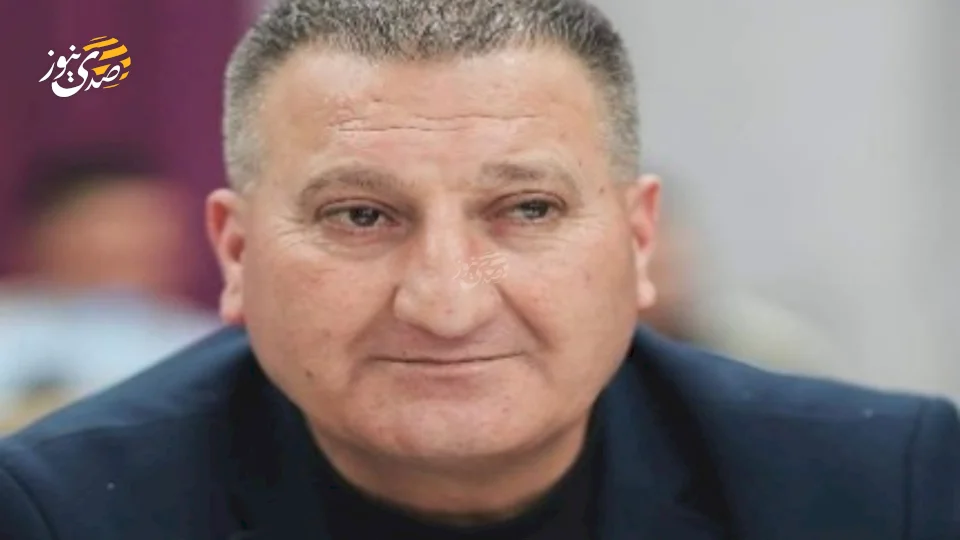
Dr. Mustafa's Government ... Between Challenges and Requirements for Resilience
Dr. Mohammed Mustafa, the Prime Minister, is assuming his responsibilities during one of the most complex economic stages that Palestine has experienced in recent decades. Amid the continuation of the Israeli war and aggression, a decline in public revenues, the withholding of clearance funds, and rising rates of unemployment and poverty, the Palestinian government finds itself facing unprecedented challenges that require wise management and a clear economic vision.
Dr. Mustafa inherited an economically burdened reality filled with crises, as the public treasury faces significant financial pressures that have impacted the government's ability to meet its obligations towards employees, the private sector, and various segments of society. Furthermore, the widespread destruction in Gaza, alongside the economic contraction in the West Bank, has imposed additional burdens on the Palestinian government.
In the face of these challenges, Dr. Mustafa is striving to enhance the resilience of the national economy by rallying Arab and international support, launching programs for financial and administrative reform, and working to improve the investment environment while encouraging the private sector to contribute to the economic development process. He is also focusing on directing available resources towards vital sectors that directly impact citizens' lives.
The success of these efforts, whether partially or fully, remains dependent on various factors, the most prominent being the termination of Israeli measures targeting the Palestinian economy if international pressure, especially from the United States and Europe, proves successful, and the restoration of a regular flow of financial revenues, in addition to providing an international support network capable of assisting the Palestinian people during these exceptional circumstances.
The phase led by Dr. Mustafa is not merely about managing a transient financial crisis; it is an ongoing struggle for economic and national resilience that requires the concerted efforts of all institutions and national forces. Amid limited resources and significant challenges, hope remains pinned on the Palestinians' ability to overcome this ordeal and build a more resilient and sustainable economy for the future.
Before the Prime Minister lies a range of options and measures that can be pursued in parallel to alleviate the severity of the Palestinian economic crisis, with the understanding that a considerable part of the crisis is tied to political and external factors beyond the complete control of the Palestinian government, notably, enhancing local revenues through broadening the tax base and combating tax evasion, developing electronic collection systems, and encouraging small and medium enterprises to register within the formal economy.
Regarding government spending efficiency, it is necessary to review unnecessary operational expenditures, rearrange priorities in favor of education, health, and social protection, and improve the efficiency of government institutions while minimizing task duplication.
As for supporting the private sector, it is essential to provide facilitation for small and medium enterprises, encourage local and foreign investment, and remove bureaucratic obstacles for investors, in addition to enhancing reliance on national production, supporting the agricultural sector and local industries, launching campaigns to encourage consumption of national products, and providing incentives for productive projects that create job opportunities.
On the diplomatic and financial front, it is crucial to intensify coordination and communications to continue rallying urgent Arab and international support for the Palestinian treasury, and continue to pressure for the release of withheld clearance funds, as well as expanding cooperation with international financial institutions to finance developmental projects.
Regarding addressing unemployment, it is necessary to expedite the launch of temporary employment programs for youth and graduates, support vocational and technical training, and encourage entrepreneurship and startups.
Concerning the reconstruction of Gaza, this represents the pinnacle of challenge and the determination to work, as this file is not solely the government's responsibility, but one that all must bear— Palestinians, Arabs, and internationally—through preparing a comprehensive national and international reconstruction plan, linking reconstruction with broad employment programs, and attracting international and Arab funding for strategic projects.
In conclusion, there is no magic or immediate solution to the crisis, but rather an integrated package of economic and administrative reforms, alongside political and diplomatic efforts to ease the restrictions imposed on the Palestinian economy. The success of any government at this stage depends on its ability to achieve a balance between managing the current crisis and laying the foundations for sustainable economic development in the long term.
A final word to Dr. Mustafa and his government: the stage Palestine is experiencing today is exceptional by all measures, requiring bold decisions, a clear vision, and management capable of turning challenges into opportunities. The Palestinian citizen expects his government to be close to his daily concerns and to work transparently and efficiently to protect their resilience and enhance their confidence in national institutions.
The success in this mission is not only measured by figures and economic indicators but by the government's ability to relieve burdens from its citizens, create hope among the youth, and instill principles of justice and efficiency in the management of public resources. Crises, no matter how severe, remain surmountable when there is will, wise management, and collective action.
Let this phase be marked by reform, achievement, and national partnership, and let the citizens' interests be above all else, for the resilience of the Palestinian people has always been and will remain the cornerstone upon which the national project stands in facing all challenges.
 Follow the latest Sada News via Google News
Is the patience of the private sector running out?

Some Light Amidst the Darkness

Dr. Mustafa's Government ... Between Challenges and Requirements for Resilience

Whoever Owns the Land... Owns the Future

Granada Is Not the Last... When Cities Open Their Doors to Enemies..

"The Framework Agreement".. No One Learns from History!

Gaza: Restructuring Project and Palestinian Home Requirements
