

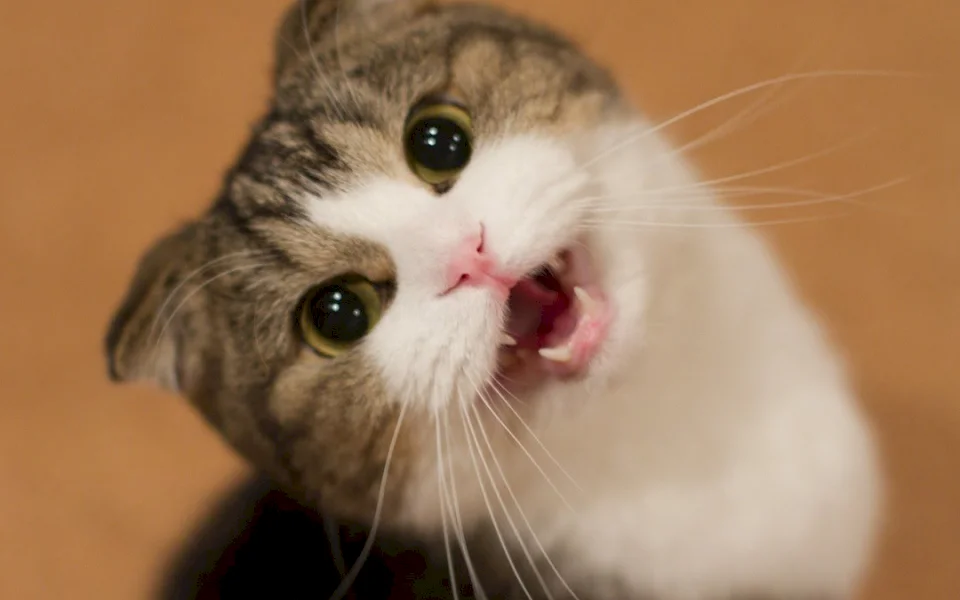
Your Cat Ages at Fifteen.. What Does That Equal in Humans?
SadaNews - A new scientific study has revealed that domestic cats undergo a biological aging process that closely resembles what happens in humans, especially at the level of the brain, which may make them a promising model for understanding age-related diseases such as dementia and Alzheimer’s.
The study, conducted in collaboration between the University of Bath, the Auburn University College of Veterinary Medicine, and the National Veterinary School in Toulouse, France, was published in the journal "Biology Open" and showed that cat brains undergo similar changes with aging as humans do, including a gradual shrinkage of brain tissue and an expansion of the brain ventricles, changes that are typically associated with neurodegenerative diseases.
The researchers relied on analyzing 3,754 data points, including MRI images, blood analyses, medical records, and behavioral indicators in humans, cats, and several other mammals, with the goal of mapping the aging process accurately across different species.
Variable Aging
The results showed that aging does not proceed at a constant pace, but accelerates or slows down depending on life's stages, with a notable similarity between cats and humans in the later stages of life. According to the biological model developed by the team, a cat that is about 15 years old is equivalent to a human in their eighties.
The researchers stated in an official statement published on the University of Bath website that "the significance of these findings lies in that cats, unlike many laboratory animals, live long enough to develop normal age-related brain changes, and they live in environments similar to those of humans, making them a closer model for studying the impact of environmental and lifestyle factors on the brain."
Scientists believe that this discovery could accelerate the understanding of diseases like dementia and Alzheimer’s, and may open the door for broader collaboration between veterinary and human medicine to develop better strategies for maintaining brain health in aging.
The research team also called for the establishment of extensive health databases for pets, similar to the UK Biobank project, allowing for the tracking of age-related diseases and changes on a large scale, and utilizing this information to develop future treatments that benefit both humans and animals.
Source: Al Jazeera
 Follow the latest Sada News via Google News
The Ground is Boiling Beneath You.. Official Warning for World Cup Fans in an American Cit...

Your Cat Ages at Fifteen.. What Does That Equal in Humans?

World Cup: Egypt Achieves Historic Milestone by Advancing to the Second Round, while Saudi...

"Resident" Robots in the Depths to Monitor Marine Pipelines and Cables

Apple Raises Prices on Mac and iPad... iPhone Not Included in the Hike So Far

Study: Steroid Drugs Can Alleviate Nausea and Vomiting in Cancer Patients

New Discovery on Pneumonia May Improve Treatment for Severe Cases
