

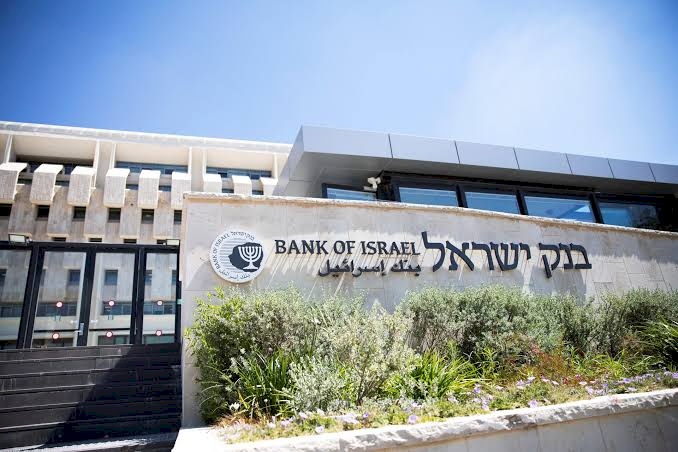
Bank of Israel: Limited Increase in Financial Assets Driven by Domestic Factors and Decline in Foreign Investments
SadaNews - The financial asset portfolio of the public in Israel increased during the first quarter of 2026 by approximately 55 billion shekels, reaching about 7.25 trillion shekels. This means that the value of funds and financial assets held by the public, whether in deposits, stocks, bonds, or various investments, continued to rise, but at a limited pace of 0.8%.
Bank of Israel stated today, Monday, that the increase in the portfolio primarily came from the rise in the value of domestic stocks and corporate bonds, while the decline in foreign investments and government bonds and short-term bonds pressured the total portfolio. The weight of the portfolio relative to GDP decreased by about 0.2 percentage points, to around 340%, due to a slight increase in GDP compared to the balance of financial assets.
The data shows that most of the improvement came from the local market. The balance of stocks in the country increased by approximately 71.3 billion shekels, a rate of 5.5%, which the Bank of Israel primarily attributes to rising prices. The balance of tradable corporate bonds rose by approximately 15.7 billion shekels, reaching about 526 billion shekels, mainly driven by net investments.
Meanwhile, cash and deposits, which are the most visible components related to households and businesses, increased by about 22.5 billion shekels, or 0.9%, to reach about 2.44 trillion shekels. This money constitutes about 34% of the public's financial asset portfolio, indicating that nearly one-third of the public's financial assets remain in cash or bank deposits.
Conversely, some components of the portfolio declined. The balance of short-term bonds held by the public decreased by about 14 billion shekels, to approximately 188 billion shekels. The balance of tradable government bonds remained almost stable at around 503 billion shekels; however, the distribution of its holdings changed, as investment institutions reduced their holdings by about 12.2 billion shekels, while mutual funds increased their holdings by about 5.6 billion shekels.
Investments abroad recorded a notable decline during the first quarter, with their balance decreasing by about 36.3 billion shekels, reaching about 1.29 trillion shekels, or around 18% of the total portfolio. This decline primarily resulted from a drop in tradable bonds abroad by about 47 billion shekels, to around 227 billion shekels, due to net sales and price decreases.
The balance of foreign stocks also declined by about 27.6 billion shekels, reaching about 771 billion shekels at the end of the quarter, due to price decreases and net sales. In contrast, the balance of deposits abroad increased by around 35.7 billion shekels, reaching about 47 billion shekels, indicating a transfer of part of the funds to more liquid channels outside the country.
These changes were reflected in the overall portfolio composition; the share of foreign assets fell from 18.5% to 17.8%, while the share of assets denominated in foreign currencies decreased from 24.2% to 23.6%. In other words, the public's portfolio at the end of the first quarter became relatively more concentrated in domestic assets and in shekels compared to the end of the previous quarter.
As for the investment institutions, which manage a large part of the public's savings, the balance of assets they manage increased by about 0.5%, reaching about 3.3 trillion shekels, or around 46% of the total public portfolio. The increase came from rising holdings of domestic stocks by about 36 billion shekels and holdings of bonds and stocks abroad by about 26 billion shekels, against a decline in cash and deposits in the country by about 17 billion shekels.
Moreover, the portfolio managed by mutual funds increased by about 23.4 billion shekels, or 3.1%, to approximately 780 billion shekels, which is equivalent to 11% of the total public portfolio. The increase was concentrated in net accumulations amounting to about 18.8 billion shekels, particularly in funds specialized in local bonds and financial funds in shekels and local equity funds.
In contrast, specialized investment funds in foreign stocks recorded negative net accumulations of about 5.5 billion shekels, which aligns with the broader decline in the external investment component during the quarter. Overall, the data indicates that the first quarter saw a greater tilt towards local assets, while maintaining a significant weight of deposits and cash within the public's financial portfolio.
 Follow the latest Sada News via Google News
Soaring Oil Prices Burn the Pockets of the Palestinian Citizen "The Poor"

Millions of Dollars in Losses.. "SadaNews" Reveals Shocking Figures for Traders from Pales...

The Problem of Shekel Overcrowding Worsens.. Fuel Station Owners Threatened with Closure o...

The Palestinian Economy at a Crossroads: 4 Files Awaiting Resolution

Israeli Economists Discuss Fluctuations in Dollar and Shekel Exchange Rate

The Coordinating Council for the Private Sector: We hold the Israeli side responsible for...

Bank of Israel: Limited Increase in Financial Assets Driven by Domestic Factors and Declin...
