

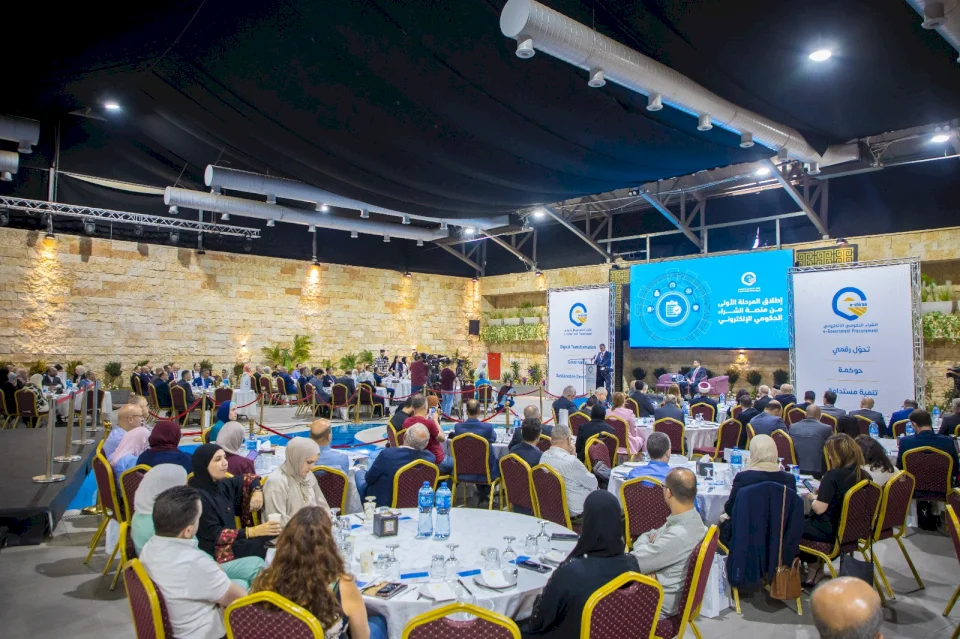
The Higher Council for Public Procurement Policies Launches the First Phases of the Electronic Government Procurement Platform
SadaNews - Under the patronage of His Excellency Prime Minister Dr. Mohammed Mustafa, the Higher Council for Public Procurement Policies organized today, Monday, June 29, 2026, a ceremony for the launch of the first phases of the electronic government procurement platform at the Karmel Hotel in Ramallah. This event is part of the Digital West Bank and Gaza Project funded by the World Bank, and included the participation of several ministers, heads of institutions and security agencies, municipalities, representatives from purchasing entities, the World Bank, various donor institutions, as well as representatives from the private sector and civil society organizations.
The ceremony marked an important milestone in the reform path of the public procurement system in Palestine, as it represents a practical step towards transitioning from traditional procedures to a more efficient and transparent digital system capable of tracking public procurement processes, aligning with the government's efforts to enhance digital transformation, improve the quality of public services, and reinforce principles of integrity, accountability, and fair competition.
The event was inaugurated by His Excellency Mr. Muayed Awda, Chairman of the Higher Council for Public Procurement Policies, who emphasized in his speech the importance of the electronic government procurement platform as a national tool for developing public procurement management, transforming purchasing procedures from traditional paper-based processes to electronic digital ones. This contributes to facilitating access for bidders and consultants to purchasing opportunities, enhancing the capacity of purchasing entities to implement procurement operations more efficiently, through clearer and more organized procedures, facilitating oversight of procedures, and reducing time and effort in conducting procurement operations.
The event included a speech from the World Bank representative, Mr. Majid Al-Bayaa, Senior Procurement Manager, who underscored the importance of supporting institutional and digital reforms in the public procurement sector as a fundamental part of improving public financial management, enhancing the trust of system users, and providing a more transparent and competitive environment for the private sector.
In the speech delivered on behalf of His Excellency the Prime Minister by His Excellency the Minister of Communications and Digital Economy, Dr. Abdul Razak Al-Natsha, it was emphasized that the launch of the electronic government procurement platform represents an advanced step within the government's digital transformation and institutional reform agenda, stressing the importance of developing tools for government work and improving the efficiency of public spending.
The ceremony witnessed a presentation of the main features of the electronic government procurement platform and the completed phases, which include user management, procurement planning, launching procurement operations, and submitting bids and tenders. This is part of preparations to gradually expand the use of the platform, ensuring the readiness of both purchasing entities and system users.
The launch of the first phases of the platform coincides with ongoing efforts led by the council to develop the legal and regulatory framework for the public procurement system, enhance the use of digital tools, update procedures, and build the capacities of purchasing entities, which contributes to improving the quality of public spending and supporting institutional and economic development in Palestine.
The ceremony concluded by emphasizing the importance of cooperation between purchasing entities, international partners, and the private sector to ensure the effective and gradual implementation of the platform, achieving the desired impact in enhancing transparency, expanding competition, and reinforcing trust in the public procurement system.
 Follow the latest Sada News via Google News
The Higher Council for Public Procurement Policies Launches the First Phases of the Electr...

Tens of Thousands Participate in the Conclusion of the "Rawabi Palestine Championship for...

In Strategic Partnership with Ramallah Municipality.. The National Bank Participates in "A...

Jerusalem Water Authority Continues to Upgrade Its Network in Kafr Ni'ma and Prepares to S...

Palestinian Islamic Bank Participates in Sponsoring the Harja Market Events in Ramallah Ci...

An-Najah National University Joins the Club of the World's Top 50 Universities in the Time...

The City of Rawabi Witnesses the Launch of the Largest Arabian Horse Beauty Championships...
