

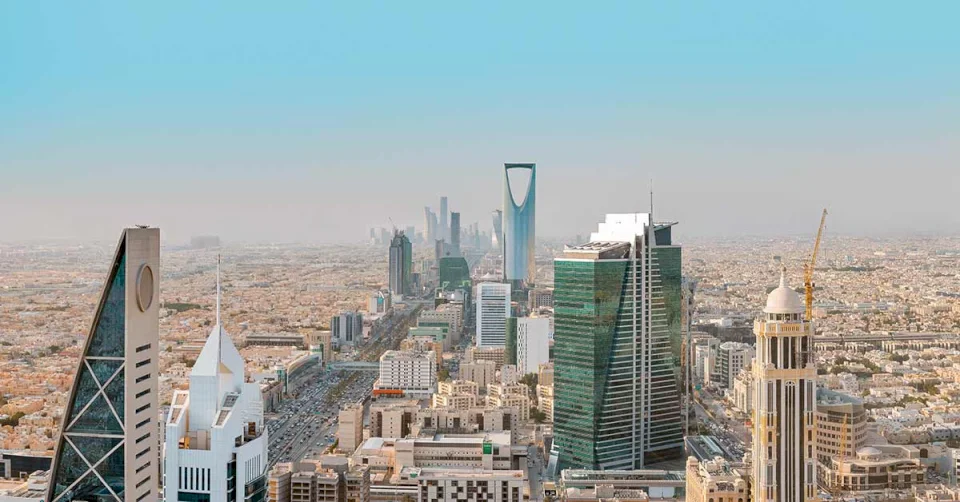
Housing Leads Construction Recovery in Saudi Arabia Despite Cost Pressures
SadaNews - The Saudi construction sector returned to a growth trajectory in May, supported by a strong revival in residential construction activity and renewed growth in new orders, indicating a recovery of one of the most critical sectors tied to the kingdom's economic diversification agenda after a period of slowdown.
The "Al Rajhi Financial" index for the Saudi construction sector rose to 51.2 points in May, compared to 48.5 points in April, surpassing the 50-point threshold that separates growth from contraction for the first time in three months, amidst fluctuations related to geopolitical developments in the region.
Residential Projects Take the Lead
The residential construction sector recorded the best performance among sub-sectors in May, with the index rising to 53.8 points, marking the first time that residential activity has led since the beginning of 2026. Companies participating in the survey attributed this performance to robust underlying demand for housing, renewed buyer confidence, and improved real estate market conditions.
Conversely, the non-residential buildings sector continued to register positive growth at 50.5 points, benefiting from the ongoing implementation of commercial and industrial projects and improved investor sentiment. Meanwhile, the infrastructure sector recorded its first contraction since the survey began, falling to 45.7 points due to weak new orders in recent months.
The Head of Research at Al Rajhi Financial, Sultan Al-Tuwim, explained to "Asharq" that the results of May revealed a return to growth in the construction sector "thanks to the revival of residential activity, renewed growth in new orders, and improved future business expectations."
He added that the sector "is still supported by the momentum of ongoing projects and local demand, particularly in housing and projects linked to Vision 2030," noting that the indirect impacts of geopolitical developments have manifested in higher transportation costs and some delays in supply chains; "however, the May reading showed an improvement compared to April."
Renewal of New Orders
Data from the index "which will be published monthly from now on"; as Al-Tuwim disclosed; showed a return of new orders to growth during May after two months of decline; "though at a slower pace compared to the beginning of the year." Construction companies see this improvement as reflective of the continuation of projects related to economic diversification and urban development programs, in addition to initiatives linked to Vision 2030.
But despite the improved activity, sector companies faced increasing cost pressures, as input prices inflation recorded its highest levels since the survey began in January, driven by rising transportation costs and raw material prices, alongside continued shipping delays.
In contrast, supply chains showed some improvement, with input delivery times decreasing for the first time since February and improved availability of subcontractors, helping companies alleviate some of the operational pressures.
Optimism in the Coming Months
The broader business expectations index reflects a positive outlook for the next twelve months, registering 57 points in the kingdom, a reading reflecting continued confidence in the strength of the Saudi economy and the ability of the construction sector to sustain growth.
Al-Tuwim noted that "residential activity benefits from a relative recovery in real estate financing, with the volume and number of mortgage loans increasing compared to the first quarter of the year, supporting demand for housing projects and enhancing contracting activity linked to them."
The Saudi Contractors Authority had predicted in a previous interview with "Asharq" that the size of the sector would rise to about one trillion riyals annually starting from 2025 until 2030, reflecting the growing role of the contracting sector as one of the main drivers of non-oil growth in the kingdom.
 Follow the latest Sada News via Google News
Housing Leads Construction Recovery in Saudi Arabia Despite Cost Pressures

The Return of the Strait of Hormuz Drives Wall Street Giants to Lower Oil Price Prediction...

Oil Markets in the Middle East Decline Due to Optimism About Supply Increases

Bank of Japan Raises Interest Rates to Highest Level in 31 Years

U.S. Stocks Rise amid Expectations of Strait of Hormuz Reopening and Easing Inflation Conc...

U.S. Oil Reserves Drop to Lowest Level in 43 Years

Gold Maintains Gains Amid Anticipation of Opening the Strait of Hormuz This Week
