

U.S. Oil Reserves Drop to Lowest Level in 43 Years
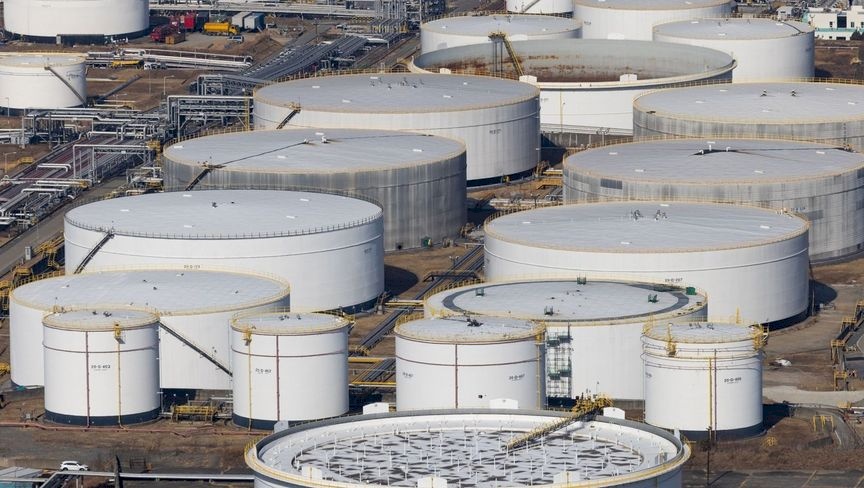
SadaNews - The United States' emergency crude oil stockpile has fallen to its lowest level since 1983, as the Trump administration nears the completion of its plan to release 172 million barrels to alleviate the rise in fuel prices caused by the war in Iran.
According to data from the Department of Energy released on Monday, the Strategic Petroleum Reserve, established after the Arab oil embargo in the early 1970s, has dropped to a record low of about 340 million barrels.
The U.S. Department of Energy announced in March its plan to pump oil from the Strategic Reserve as part of a coordinated effort among countries around the world, just two weeks after the U.S. and Israel launched attacks on Iran.
Second Largest Release
If this process is completed, it will be the second largest release in the history of the reserve, leaving about 243 million barrels, or roughly a third of its authorized capacity. This depletion of stock limits the United States' ability to respond to future supply disruptions.
A spokesman for the Department of Energy stated that the U.S. administration manages the oil reserve according to the purpose for which it was designed: to help stabilize oil markets, protect the United States from supply disruptions, and enhance energy security.
The administration releases oil through a swap program based primarily on lending barrels to companies that are obliged to return them later with interest. The spokesman explained that the return rate has reached about 26% so far, saving taxpayers more than $3 billion.
Refilling the Reserve
The department announced that it will refill the reserve by about 200 million barrels, which is a 20% increase from what has been released, over the next year.
The U.S. emergency oil reserve had already been significantly depleted when Trump took office 16 months ago.
The administration of former President Joe Biden withdrew nearly 290 million barrels from the reserve through a series of releases, including after the Russian invasion of Ukraine. Republicans argued at the time that this move was aimed at lowering gasoline prices ahead of the 2022 midterm elections, not in response to a real supply crisis.
Trump has pledged to refill the reserve, which has a capacity of about 700 million barrels, criticizing Biden for depleting it.
Global crude oil futures have risen about 20% since the war began, pushing gasoline prices in the United States to an average of $4.07 per gallon. This places Trump under political pressure ahead of the midterm elections in November, which will determine whether his party retains control of the U.S. Congress.
 Follow the latest Sada News via Google News
Bank of Japan Raises Interest Rates to Highest Level in 31 Years

U.S. Stocks Rise amid Expectations of Strait of Hormuz Reopening and Easing Inflation Conc...

U.S. Oil Reserves Drop to Lowest Level in 43 Years

Gold Maintains Gains Amid Anticipation of Opening the Strait of Hormuz This Week

Washington and Tehran Agreement Pushes Bitcoin to Highest Level in Two Weeks

Trump: Oil Ships Begin Moving Outside the Strait of Hormuz

Crop Prices Decline with Anticipation of the Reopening of the Strait of Hormuz
