

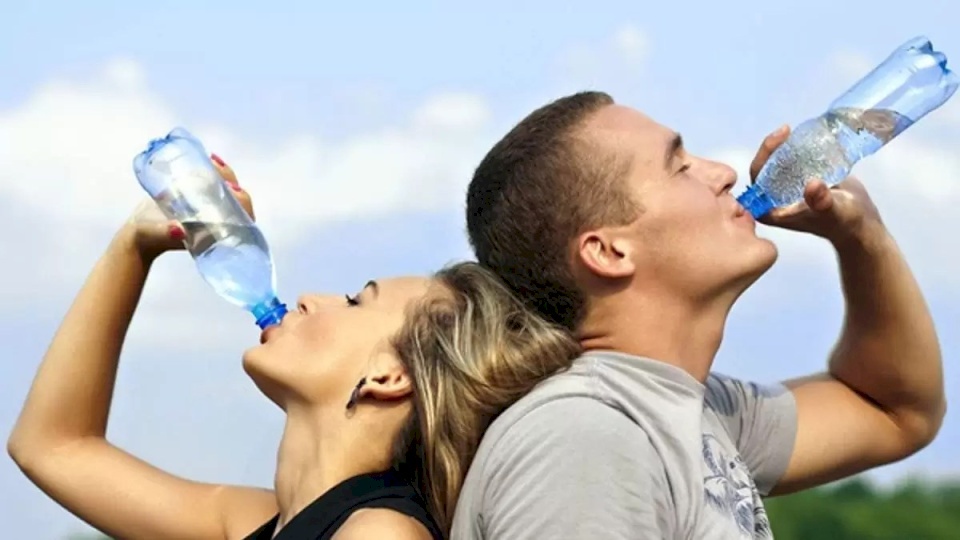
7 Common Mistakes You May Make When Drinking Water... and the Solution
SadaNews - Maintaining the body's hydration is essential for its vital functions, but many people make simple mistakes daily that could lead to dehydration without realizing it.
Starting from relying on drinking water only when feeling thirsty to excessive caffeine intake, these habits can affect your energy, focus, and overall health, according to the "Verywell Health" website.
So, what are the common mistakes you may make regarding drinking water?
Waiting to Feel Thirsty to Drink
Thirst is often a late sign of dehydration, not an early one. By the time you feel thirsty, your body may have already begun to experience mild dehydration. This is especially true for older adults, as their sensation of thirst decreases with age.
Solution: Drink water in small sips regularly throughout the day rather than waiting to feel thirsty. You can keep a water bottle handy to establish this habit.
Drinking Large Amounts of Water at Once
Drinking large quantities of water in a short period does not effectively hydrate the body. Your body can only absorb a limited amount of fluids at a time, and excess fluids are expelled quickly.
In rare cases, excessive water intake can lead to low sodium levels in the blood, resulting in a condition known as hyponatremia.
Solution: Spread the amount of fluids you consume evenly throughout the day. Make sure to drink steady amounts of fluids rather than drinking large amounts at irregular intervals.
Neglecting to Drink Water Right After Waking Up
After several hours of sleep, the body naturally wakes up with slight dehydration. Neglecting to drink water upon waking in the morning can delay the rehydration process, making you feel sluggish, mentally confused, or even irritable.
Some studies suggest that drinking water before bed may help reduce morning dehydration. However, it may also increase the likelihood of waking up at night to urinate.
Solution: Start your day with a glass of water before breakfast to rehydrate your body and support your energy, focus, and vital functions.
Neglecting Electrolytes
Water is not the only element for hydration. Electrolytes, particularly sodium, along with potassium and magnesium, help regulate the fluid balance in the body. When you sweat, you lose water and electrolytes. For most people, water is enough for daily hydration and short exercise. However, replacing electrolytes becomes more important during prolonged exercise or excessive sweating.
Solution: For long workouts or spending time in the heat, consider consuming electrolyte-rich options such as oral rehydration solutions or sports drinks (in moderation) to help replace lost sodium and support body hydration.
Over-Consuming Caffeinated Beverages
Caffeinated beverages like coffee, tea, and energy drinks can count toward your daily fluid intake, but they should not be your primary source of hydration.
It was previously thought that caffeine caused severe dehydration due to its diuretic effect. However, recent research indicates that moderate caffeine consumption does not significantly increase urine output. Nonetheless, over-relying on caffeinated beverages can be harmful in some cases.
Solution: Balance between caffeinated drinks and water. Try alternating between coffee or soda and a glass of water.
Not Eating Water-Rich Foods
Hydration does not come from drinks alone. Many fruits and vegetables are high in water content, contributing to your daily fluid needs, including cucumber, watermelon, strawberries, lettuce, and oranges.
Solution: Add water-rich foods to your meals and snacks to keep your body hydrated throughout the day.
Assuming Everyone Needs the Same Amount of Water
There is no one-size-fits-all rule regarding hydration. Your needs depend on several factors, including body weight, activity level, climate, overall health, and age.
Daily water needs vary from person to person and include fluids from drinks and food. General guidelines suggest that women need about 2.7 liters (11 cups) daily, while men need about 3.7 liters (15.5 cups) daily.
Solution: Pay attention to your body and environment. You may need more fluids if you are active, in hot weather, or if you are pregnant.
 Follow the latest Sada News via Google News
The Egyptian Federation Files Official Complaint Against Referee Letexier

Do You Know How to Comfort Someone Who is Crying? Here's What to Say and Do in Tough Momen...

"Backrooms": From Digital Legend to Cinematic Phenomenon

Prediabetes.. The Silent Bomb Carried by Millions Without Their Knowledge

From Sweden 1958 to the Epic of Egypt 2026.. Argentina's History with World Cup Comebacks

After the South Africa Precedent.. Nigeria Investigates the Encroachment of Technology Com...

Argentine Admission and Global Consensus on the Referee's Injustice to Egypt's National Te...
