

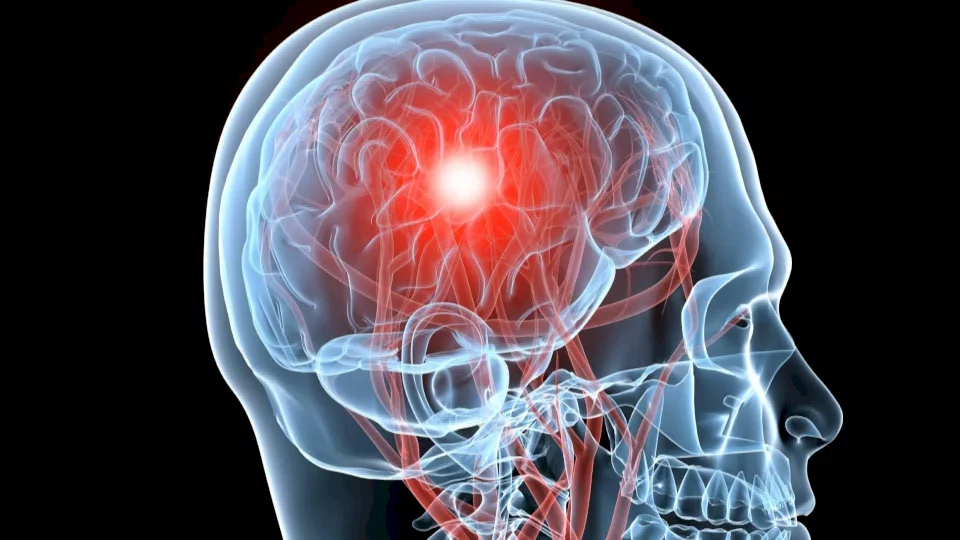
Daily Habits That Accelerate Your Brain's Aging and Threaten Your Life
SadaNews - The health challenges facing individuals increase with age, particularly those related to the brain, cognitive abilities, and memory. As people age, the likelihood of developing dementia, strokes, and cognitive decline rises due to a combination of biological, environmental, and lifestyle factors that may start their effects as early as childhood.
Brain health is not only related to age but also affected by daily lifestyle patterns such as nutrition, physical activity, sleep, mental health, stress levels, and even the social environment surrounding individuals.
Health experts warn that unhealthy habits, such as smoking, excessive consumption of unhealthy foods, lack of movement, sleep disorders, and chronic stress, can gradually become direct threats to the brain, increasing the risks of stroke and dementia.
A Global Threat Accelerating with Aging
The seriousness of this issue is exacerbated by projections that the number of individuals over 65 will exceed 1.5 billion by 2050, widening the pool of those at risk for dementia, cognitive decline, and strokes.
Although strokes are often associated with the elderly, they can also affect individuals under 65, and even children and infants in some cases.
International health organizations assert that addressing this challenge requires raising community awareness and developing health policies that support early prevention, especially given the rising health and social costs associated with chronic brain diseases.
The Brain Begins Aging Early
Reports from the American Heart Association indicate that protecting the brain does not start when symptoms of illness appear but rather at very early life stages. Daily behaviors ingrained from childhood can later determine how resilient the brain is to aging and cognitive decline.
The association emphasizes that brain health does not rely solely on genetic factors but is shaped by a complex web of interacting elements, including physical health, good sleep, physical activity, nutrition, and psychological and social support.
Cardiovascular health is directly linked to brain health, as nerve cells depend on a continuous flow of oxygen-rich blood and nutrients, making cardiovascular health a crucial component of preventing dementia and strokes.
Hidden Factors Threatening Memory
According to health experts, risks are not limited to smoking and obesity; they also include less obvious factors such as:
Chronic stress, anxiety, and depression
Social isolation
Sleep disorders
Environmental pollution
Chronic inflammation
Poor education and healthcare
Hearing loss
Malnutrition
Gut microbiome disorders
Recent studies suggest that air pollution, pesticides, and microplastics may contribute to increased neuroinflammation and oxidative stress, which are factors connected to neurodegeneration as people age.
Thus, experts believe that protecting the brain is not solely an individual responsibility but a collective one that includes improving the environment, education, healthcare, nutrition, and quality of life.
How Can We Protect the Brain from Aging?
Doctors see early prevention as the strongest weapon against brain diseases, and the key preventive steps include:
Controlling Chronic Diseases
Such as high blood pressure, diabetes, cholesterol, and obesity because they directly affect the health of the blood vessels supplying the brain.
Good Sleep
Studies have shown that poor sleep and sleep apnea can affect memory, attention, and mood, increasing the risk of cognitive decline.
Regular Physical Activity
Even daily walking helps improve blood flow to the brain and reduces the long-term risk of dementia and strokes.
Healthy Nutrition
A diet rich in vegetables, fruits, legumes, whole grains, olive oil, and fish supports heart and brain health alike.
Mental Health and Social Relationships
Reducing stress, anxiety, and depression and enhancing social relationships contribute to protecting the brain from the effects of chronic stress and accelerated aging.
Vitamin D... Does It Slow Aging?
Scientists are increasingly interested in Vitamin D, as recent studies have linked it to enhanced immunity, reduced inflammation, and possibly slowing cellular aging.
An American study on over a thousand individuals with an average age of 65 found that taking 2000 international units daily of Vitamin D helped maintain "telomeres," which are structures that protect DNA from damage as people age.
Despite promising results, researchers emphasize that more studies are needed and caution against excessive intake of supplements without medical supervision.
A Nasal Spray Bringing Hope
In a noteworthy scientific development, researchers from Texas A&M University announced the development of a nasal spray that showed the ability to reduce brain inflammation and improve memory in preliminary trials.
Researchers believe this approach may eventually pave the way for new treatments to slow brain aging and combat diseases like Alzheimer's and dementia, especially with the expected global rise in the number of individuals suffering from these diseases in the coming decades.
Peanuts and Memory Support
A recent study conducted by Maastricht University in the Netherlands revealed that consuming two servings of roasted peanuts in their shells daily may help improve blood flow to brain areas associated with memory and thinking.
Examining blood flow revealed significant improvements within certain brain lobes, but researchers stressed that peanuts do not represent a cure for dementia or Alzheimer's but could be part of a supportive dietary pattern for brain health.
A Battle That Begins Today
Recent research shows that brain health is not merely a matter of luck or genetics, but the result of long-term accumulation of daily habits, lifestyle, and surrounding environment.
Thus, experts assert that the best chance to protect memory and reduce the risk of strokes and dementia does not start within hospitals, but from the small decisions made daily: how to eat, how to sleep, how to move, and how to manage life’s stresses.
Source: Al Jazeera
 Follow the latest Sada News via Google News
The Egyptian Federation Files Official Complaint Against Referee Letexier

Do You Know How to Comfort Someone Who is Crying? Here's What to Say and Do in Tough Momen...

"Backrooms": From Digital Legend to Cinematic Phenomenon

Prediabetes.. The Silent Bomb Carried by Millions Without Their Knowledge

From Sweden 1958 to the Epic of Egypt 2026.. Argentina's History with World Cup Comebacks

After the South Africa Precedent.. Nigeria Investigates the Encroachment of Technology Com...

Argentine Admission and Global Consensus on the Referee's Injustice to Egypt's National Te...
