

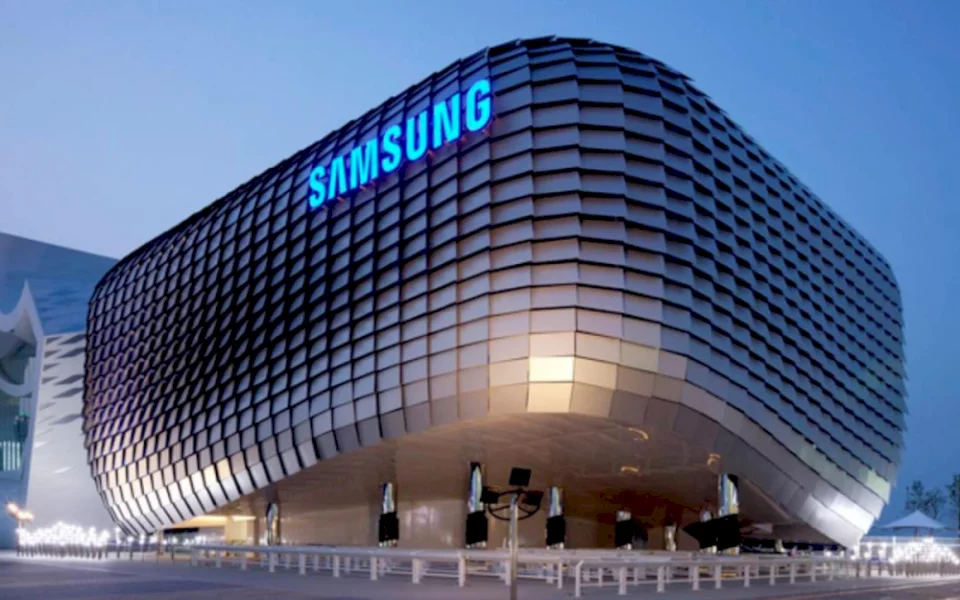
Samsung Joins the Trillion Dollar Club
SadaNews - Samsung Electronics has reached a market value of one trillion dollars, following strong demand for chips used in artificial intelligence, which led the world's largest memory manufacturer’s stock to rise more than fourfold over the past year.
This milestone came with the company's stock soaring by 11% in early trading on Wednesday, making it the second Asian company after Taiwan Semiconductor Manufacturing Company (TSMC) to reach this level.
Asia at the Heart of the Global AI Ecosystem
Samsung, alongside its memory competitor SK Hynix and TSMC, stands at the center of a transformation that has made Asia a cornerstone in the global AI ecosystem, by combining chip manufacturing dominance with the expansion of data infrastructure.
This transformation has fueled a strong rally in regional tech stocks, with shares of both SK Hynix and TSMC also reaching record levels this month, as investors bet on continued demand for advanced chips and computing capabilities.
Dave Mazza, CEO of Round Hill Investments in New York, stated that "the trillion-dollar milestone carries a tangible weight that surpasses its symbolism. More broadly, it reflects the market’s judgment that the role of memory in the infrastructure of artificial intelligence is structural rather than cyclical."
Record Profits and Growth Expectations
Just days ago, Samsung's semiconductor division reported historic profits during the quarter ending in March, exceeding expectations with a jump of 48 times, driven by demands from AI data centers that delivered high profit margins.
Analysts expect the sector to continue building on this record performance in the upcoming quarters, as there is a sharp rise in contract prices amidst limited supplies.
Meanwhile, Apple has initiated preliminary discussions about using Samsung to produce the main processors for its devices within the United States, in a move that may provide a secondary option alongside its traditional partner TSMC.
Sam Conrad, an investment manager at Jupiter Asset Management, remarked that "if investors conduct some analysis on Samsung Electronics, we believe they will conclude that the investment opportunity is attractive even if they missed its performance so far."
He added, "The memory market is currently experiencing a supply shortage, and Samsung has stated that 2027 will see a much tighter balance between supply and demand compared to 2026, so it is likely that NAND and DRAM chip prices will continue to rise."
Internal Challenges Despite the Surge
However, Samsung also faces some challenges. The growth in chip sector profits contrasts with a decline in mobile phone and display businesses, which are facing rising prices for materials and components.
Moreover, profits resulting from the AI boom are prompting company employees to demand a larger share, where workers have threatened to carry out a general strike for 18 days later this month.
Despite these challenges, stock is expected to rise by about 30% over the next twelve months, according to sell-side analysts estimates compiled by Bloomberg. The stock is currently trading at a price-to-earnings ratio of 5.3 times the expected earnings for one year, down from 14.4 times in October.
Momentum Drives Korean and Asian Markets
Strong gains in the shares of Samsung and SK Hynix, which together make up over 43% of the market cap of the KOSPI benchmark index, have made Korea one of the most active markets in the world.
These gains have also played a role in pushing the Asian equity index to record levels amid companies benefiting from a boom in AI spending, as investors see the memory market entering a super cycle of demand that breaks the traditional decades-long pattern of boom and bust.
Mark Davids, head of the emerging markets and Asia-Pacific equity team at J.P. Morgan Asset Management said, "Corporate earnings overall are becoming stronger, coming mainly from one sector, which is technology." He added: "Samsung’s earnings reflect an unusual period in which these companies can generate extraordinarily huge profits."
 Follow the latest Sada News via Google News
Wall Street Banks Intensify Hiring in the Gulf to Keep Up with "War Deals"

Oil Continues to Decline with Increased Flows through Hormuz and Progress in Iran Talks

Gold Recovers After Waller's Speech and Easing Tension Over U.S. Rate Hike

Aluminum Prices Drop to Lowest Level Since February Amid Dollar Strength

Bitcoin Drops Below $60,000

World Gold Council: The second half of 2026 is a critical turning point for gold prices

World Bank Approves $700 Million Loan for Jordan