

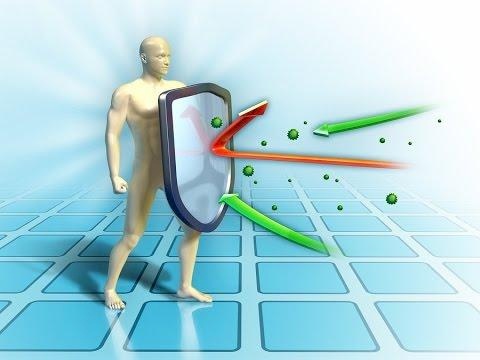
How Does the Immune System Work? The Complete Story Simply
SadaNews - The immune system acts as the primary line of defense in the human body, possessing an amazing ability to distinguish between what belongs to the body and what is foreign, such as viruses, bacteria, parasites, and even abnormal cells.
This complex system not only protects us from daily infections but also forms the basis upon which vaccines are built, by training the body to recognize disease-causing agents and confront them efficiently.
The First Line of Defense: Innate Immunity
Innate immunity is the first barrier that is born with a human, characterized by its rapid response and lack of need for prior experience.
This immunity includes:
Natural barriers such as the skin and mucous membranes that prevent the entry of microbes.
Specialized cells like phagocytic cells that engulf microbes, dendritic cells that transmit danger signals, in addition to natural killer cells.
These elements work in continuous harmony, attacking pathogens as soon as they enter, in a rapid response that may be sufficient to prevent the development of infection.
Adaptive Immunity: A System That Learns and Remembers
If microbes breach the first line of defense, the second type of immunity intervenes, which is adaptive immunity, distinguished by its precision and ability to learn.
It is divided into two main types:
Humoral immunity: relies on B cells that produce antibodies that attack microbes in body fluids.
Cell-mediated immunity: relies on T cells that target and destroy infected cells.
This type of immunity does not only confront but also forms a "memory of immunity," allowing the body to quickly recognize the same microbe in the future, which explains the effectiveness of vaccines.
How Does the Body Distinguish Between "Self" and "Non-Self"?
This ability depends on minute molecules present on the surface of cells known scientifically as the "Major Histocompatibility Complex" (MHC).
These molecules act as biological identification cards, allowing the immune system to recognize the body's cells and distinguish them from any foreign body with high precision, preventing errors in most cases.
When Imbalance Occurs: Between Weakness and Overreaction
The immune system can turn from a guardian to a source of danger if its balance is disrupted.
In cases of immunodeficiency, as in AIDS, the body loses its ability to resist infections, leading to recurrent diseases and difficulty in recovery.
Conversely, the immune system may overreact, beginning to attack the body's own tissues, as seen in diseases like rheumatoid arthritis, leading to chronic inflammation and tissue damage.
How Do We Keep the Immune System Strong?
Recommendations from health institutions such as the World Health Organization indicate that lifestyle plays a crucial role in supporting immunity, with the most prominent factors being:
Sufficient Sleep
Regular sleep boosts the production of immune cells and inflammation-regulating proteins, while chronic sleep deprivation weakens the immune response.
Balanced Nutrition
Vitamins and minerals like Vitamins C and D and zinc are essential for supporting immune cells, while poor nutrition weakens the body's ability to resist infections.
Reducing Stress
Chronic stress elevates cortisol levels, which suppresses immune function and increases susceptibility to diseases.
Physical Activity
Moderate exercise improves circulation, helping immune cells move efficiently within the body.
Gut Health
The microbiota plays an important role in regulating immunity, and any disruption can increase inflammation and weaken natural defenses.
Sunlight Exposure
Aids in the production of Vitamin D, which regulates immune cell activity.
Good Hydration
Water is essential for nutrient transportation and supporting immune cell functions.
The immune system operates in complete silence, yet it represents one of the most complex and precise systems in the human body. While it protects the body from thousands of threats daily, maintaining its balance remains a shared responsibility between lifestyle and environmental factors.
In the end, the strength of immunity lies not only in its intensity but in its ability to balance defense and protection without excess or deficiency.
Source: Al Jazeera
 Follow the latest Sada News via Google News
After Deschamps' Departure... Zinedine Zidane Tops the Candidates to Lead France

Mbappe Surpasses Messi and Becomes the All-Time Top Scorer in the World Cup

England Defeats France and Achieves Largest World Cup Achievement Since 1966

Messi Refused to Play for Spain and Missed 3 World Cups

Publishers Sue Google for Allegedly Using Books to Train Artificial Intelligence

Google Expands Capabilities of Google Search Console to Support Social Media Accounts

The Mediterranean Table... An Ancient Diet Revealing Its New Secrets for Health and Longev...
