

Gold Continues Its Decline Amid Expectations for Developments in the Iran War
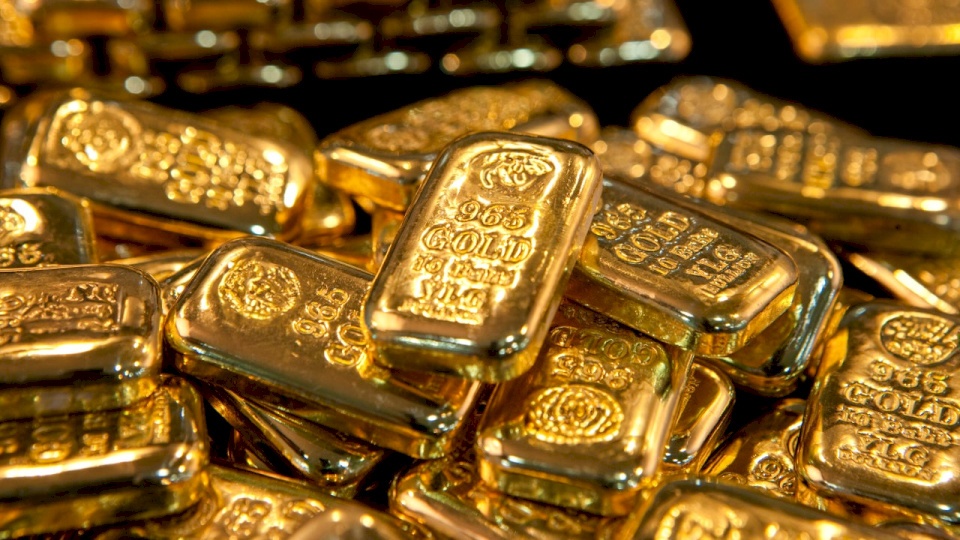
Economy SadaNews - Gold declined slightly, continuing its drop for the second day, as traders assessed the latest threat from U.S. President Donald Trump to destroy Iranian infrastructure and the impact of the ongoing war on economic growth.
The precious metal fell to $4,632 per ounce, having lost more than 2% during the previous two sessions.
Trump set a deadline of 8:00 PM Eastern Time on Tuesday to reach an agreement with Tehran or begin attacking power plants and bridges, heightening risks in a conflict that has caused a global fuel crisis and raised inflation concerns.
With the war entering its sixth week, the chances increased that central banks would delay interest rate cuts, as the possibilities for raising rates also grew.
U.S. Treasury bonds saw limited gains on Monday following Trump’s latest threats, with traders expecting the Federal Reserve to keep interest rates unchanged until the end of the year. High borrowing costs are putting pressure on gold because it does not yield any returns.
Gold has dropped nearly 12% since the outbreak of the conflicts in the Middle East at the end of February, with its traditional appeal as a safe haven diminishing due to investors needing to liquidate positions to cover losses elsewhere. The metal has largely moved in an inverse relationship with oil, which rose on Tuesday for the third consecutive day.
On the other hand, high energy costs resulting from supply shocks are putting pressure on economic growth, a supportive factor for gold. Data showed that the U.S. services economy expanded in March at a slower pace, with employment declining by the largest amount since 2023 and a sharp acceleration in input prices.
As gold prices fell, signs began to emerge of a gradual return to buying on dips. Gold-backed exchange-traded funds saw an increase in holdings last week for the first time since the war broke out, according to Bloomberg calculations.
Trump confirmed during a press conference on Monday that the reopening of the Strait of Hormuz should be part of any agreement with Iran to end the war. This vital sea route, which connects the waters of the Arabian Gulf to global markets, remains largely closed to shipping since the conflict began.
Tehran has so far rejected U.S. proposals to end the war and warned that it would respond to any further strikes by escalating its attacks.
Silver also fell by 1.2% to $72.34, and both platinum and palladium declined. In contrast, the Bloomberg dollar spot index, which measures the performance of the U.S. currency, rose by 0.1%.
 Follow the latest Sada News via Google News
London Stock Exchange Enters the Era of 24/7 Trading

Shamaran Petroleum: Suspension of Oil Production in Duhok Fields in the Kurdistan Region o...

Dollar Steadies Near One-Week High Amid War Developments

Trump Imposes Tariffs on Canadian Imports... Ottawa Vows to Respond

Oil Prices Drop After Reports of Mediation Efforts Between the U.S. and Iran

Gold Price Rises Supported by Increased Buying Amid Lower Prices

Due to "Hazardous and Counterfeit Products".. Europe Fines "AliExpress" $627 Million
