

Saudi Arabia Adds Record Premium to Its Oil Prices for Asia Amid Iran War
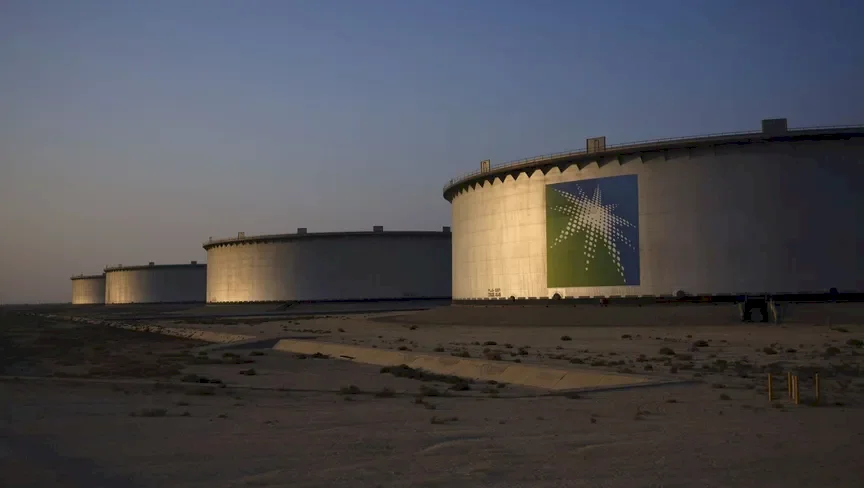
SadaNews - Saudi Arabia has added a record premium to the price of its main crude oil heading to Asia, at a time when Iran's near closure of the Strait of Hormuz is choking off energy flows in the region, while increasing uncertainty about the duration of the conflict adds volatility to markets.
Saudi Aramco will raise the price of its benchmark "Arab Light" for May shipments by a premium of $19.50 per barrel over the reference price for refiners in Asia, according to a price list seen by Bloomberg. This level remains below traders' and refiners' expectations, which reached $40 per barrel in a survey conducted by the agency.
The gap with market expectations is partly due to sharp volatility, in addition to a decline in prices for some types of crude from the Middle East in the last week of March, according to oil traders. Furthermore, Aramco crude is priced based on loading from Ras Tanura port in the Arabian Gulf, although all the company’s exports are currently shipped from Yanbu port on the Red Sea coast, imposing additional costs on buyers to transport those shipments.
Gulf Oil... Alternative Export Routes
U.S. and Israeli strikes on Iran have disrupted global energy trade, with Tehran nearly closing the vital Strait of Hormuz, limiting supplies from its Gulf neighbors. Brent crude has surged by more than 50%, while fuel prices have risen sharply.
Saudi Arabia and the UAE are the only Gulf producers with significant export alternatives that surpass the bottleneck in the Strait of Hormuz. Aramco has maximized the capacity of its pipeline extending to the Red Sea coast at 7 million barrels per day, currently exporting about 5 million barrels per day of crude from it, which is approximately 70% of its total shipments before the war.
Aramco CEO Amin Nasser stated during a conference call on March 10 that the company has halted most of its medium and heavy crude production, focusing instead on selling its light and extra-light crude from Yanbu port.
 Follow the latest Sada News via Google News
Due to "Hazardous and Counterfeit Products".. Europe Fines "AliExpress" $627 Million

Gasoline Prices Exceed $4 Again in America Amid Resumed War

What was the financial reward for Spain after winning the World Cup?

Gold Stabilizes Amid US Interest Rate Outlook

Oil Prices Climb 2% Amid Escalating Attacks Between the US and Iran in the Middle East

Israel Increases Gas Supplies to Egypt by 26% to Reach 1.2 Billion Cubic Feet Per Day

Expectations of a Delay in European Interest Rate Hike Amid War Risk Preparedness
