

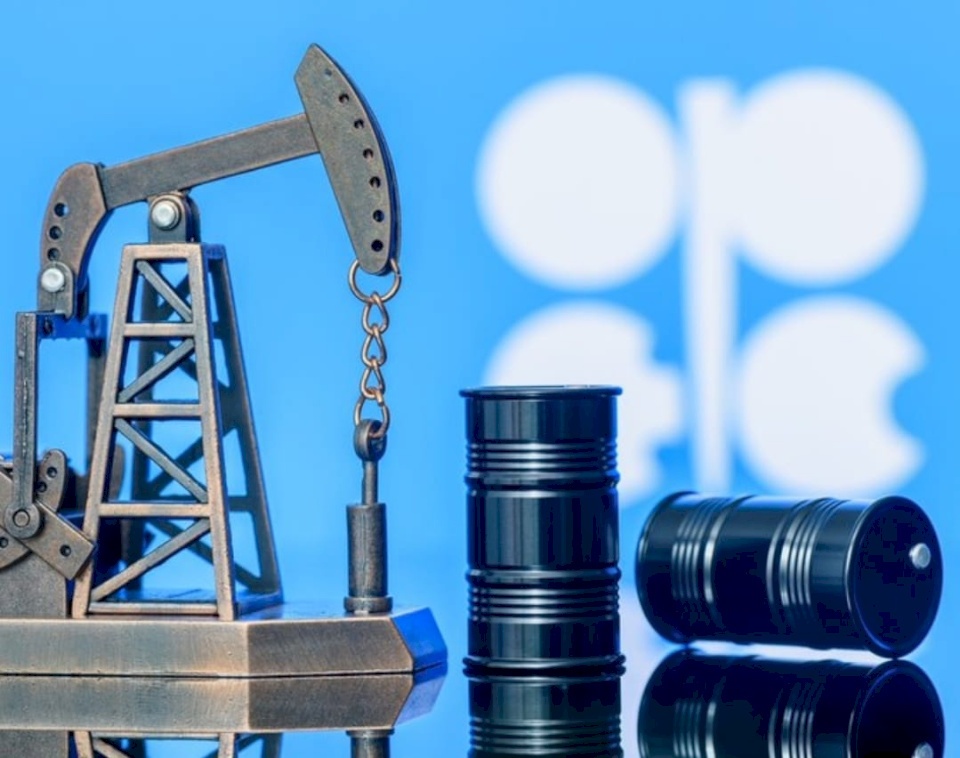
Bloomberg: OPEC+ Set to Increase Oil Supplies Today
SadaNews Economy - The "OPEC+" alliance intends to adopt an increase in oil production quotas for May, in a move that is largely symbolic, amid restrictions imposed by the Iran war on production and oil flows for several major members of the alliance.
According to delegates familiar with the discussions, who preferred to remain anonymous, the key members of "OPEC+", led by Saudi Arabia and Russia, have reached a preliminary agreement to raise production targets by about 206,000 barrels per day, with a decision expected to be made during a video meeting later today, Sunday.
This step comes at a time when oil supplies from the Arabian Gulf are under pressure due to the war, forcing major producers, including Saudi Arabia, the UAE, Iraq, and Kuwait, to reduce supplies. Thus, any increase in production quotas remains theoretical at the moment, but it reflects the alliance's readiness to resume production increases once the intensity of the conflict subsides.
Oil Jump Threatens a Return to Global Inflation
Five weeks of confrontations between the US-Israel alliance and Iran have caused sharp fluctuations in oil prices, which rose to around $120 per barrel last month. Additionally, the steep rise in the costs of petroleum products, like jet fuel and diesel, threatens to reignite inflationary pressures globally. Brent crude futures settled near $109 on Friday, following President Donald Trump's commitment to escalate military operations.
Before the outbreak of the Iran war and the subsequent regional unrest, the "OPEC+" alliance was working to gradually restore supplies after the cuts implemented in 2023. The group had kept production unchanged during the first quarter of this year, before agreeing at its meeting on March 1 to a slight increase of 206,000 barrels per day, just one day after the military strikes began.
Alongside the tensions in the Middle East, Russia is facing additional challenges from disturbances in oil infrastructure and exports due to Ukrainian attacks, further complicating the landscape in global energy markets.
 Follow the latest Sada News via Google News
London Stock Exchange Enters the Era of 24/7 Trading

Shamaran Petroleum: Suspension of Oil Production in Duhok Fields in the Kurdistan Region o...

Dollar Steadies Near One-Week High Amid War Developments

Trump Imposes Tariffs on Canadian Imports... Ottawa Vows to Respond

Oil Prices Drop After Reports of Mediation Efforts Between the U.S. and Iran

Gold Price Rises Supported by Increased Buying Amid Lower Prices

Due to "Hazardous and Counterfeit Products".. Europe Fines "AliExpress" $627 Million
