

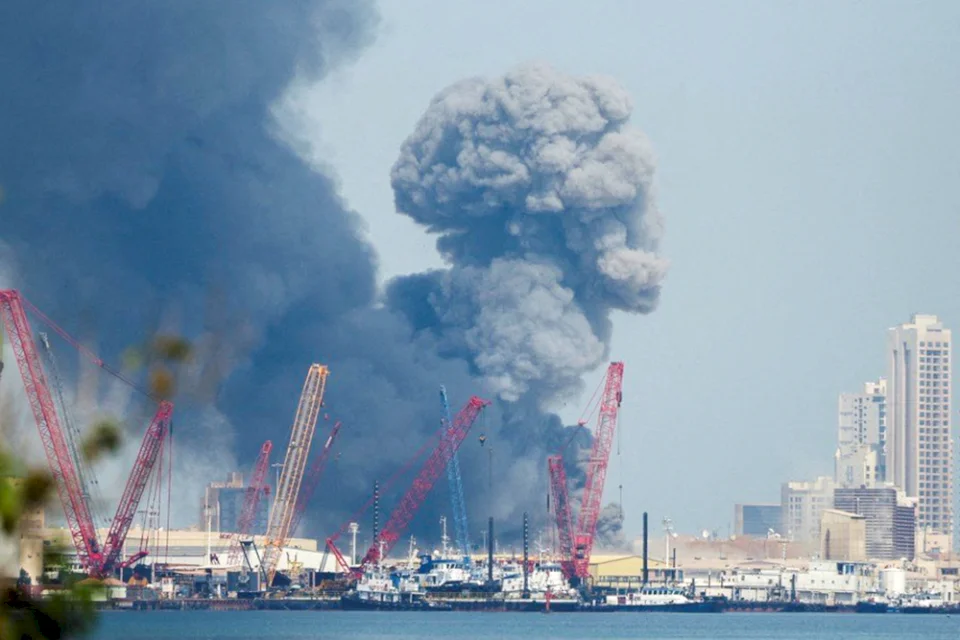
ESCWA: The War Threatens the Arab Region with a Loss of $150 Billion
SadaNews Economy - The United Nations Economic and Social Commission for Western Asia (ESCWA) has sounded a loud alarm, revealing a staggering economic bill that is escalating at an unprecedented rate in the Arab region.
In just two weeks, about $63 billion evaporated from the region's GDP (1.6%), amid stormy disruptions that hit energy markets, international trade routes, and air navigation; putting the 21 member states of the commission to face one of the most severe economic tests in its modern history.
The ESCWA report, titled "Conflict and Its Implications: Escalating the Crisis in the Arab Region," based on a thorough analysis of scenarios, goes further to suggest that if the U.S.-Israeli war on Iran were to extend for just one month, regional losses could soar, according to its estimates, to $150 billion, equivalent to 3.7% of the region's GDP; turning transient shocks into chronic structural crises.
ESCWA includes 21 Arab countries: Jordan, the UAE, Bahrain, Tunisia, Algeria, Djibouti, Saudi Arabia, Sudan, Syria, Somalia, Iraq, Oman, Palestine, Qatar, Kuwait, Lebanon, Libya, Egypt, Morocco, Mauritania, and Yemen.
The Gulf Countries in the Eye of the Storm
The report confirmed that the Gulf Cooperation Council (GCC) states bear the largest burden of direct financial losses. Despite the structural robustness of these economies, the conflict has led to a bleed in the market value of local bourses, with a noticeable widening in sovereign yield spreads, reflecting a surge in geopolitical risk assessments and increased costs of insuring sovereign debts.
In the energy sector, ESCWA's estimates relied on the assumption of a sharp decline in oil production in affected countries by 20 million barrels per day during the first two weeks, as a result of the logistical paralysis affecting export routes. Confusion also surged in liquefied natural gas supplies, especially from Qatar, which secures 19% of global needs; where shipping and export challenges led to a staggering 80% jump in gas prices in Europe, driven by international fears of long-term disruptions in critical supply chains.
Strait of Hormuz... Paralysis in the Artery of Global Trade
ESCWA documented a historic decline in shipping traffic through the Strait of Hormuz by as much as 97%, as the number of ships reaching the region's ports plummeted from 137 ships daily to just 5. This strategic interruption halted the flow of goods valued at approximately $2.4 billion per day, triggering a soaring increase in war risk insurance premiums. During just the first two weeks, cumulative trade losses reached nearly $30 billion, a figure that could reach $60 billion should the escalation continue for a full month, according to the report.
Aviation and Tourism Sector
The report considered the aviation and tourism sector to be among the most affected by "operational shocks"; with more than 18,400 flights canceled at 9 major regional airports within just 12 days. ESCWA estimated the initial losses for airlines to be about $1.9 billion, potentially reaching $3.6 billion if the war continued for a month. Major carriers had to alter their routes, increasing fuel consumption and extending flight durations, causing acute "operational bleeding," while the decline in tourist numbers ranged between 10% and 95%, depending on the country.
Regional Damage Map
The repercussions of the current war were not limited to the fronts of combat; they extended to hit the economic and social depths of the ESCWA member states:
Lebanon: Arguably one of the most affected countries by direct shocks, the nation faces a catastrophic humanitarian crisis with more than 816,000 people displaced and in urgent need of aid. This war exacerbates the existing collapse, as the Lebanese economy has contracted by 40% since 2019, putting infrastructure and essential services under pressures that exceed the state’s capacity to endure.
Egypt and Tunisia: Energy-importing economies, particularly Egypt and Tunisia, are facing severe financial pressures and a state of ongoing inflation. The report revealed that these countries are threatened by an increase in the total fuel import bill by approximately $6.8 billion annually, a massive rise that consumes a significant part of national budgets and increases the strain on already limited financial space, threatening the living stability of citizens.
Palestine, Sudan, Yemen, and Somalia: The new crisis blindsided countries already suffering from prolonged conflicts and structural vulnerabilities, as Palestine, Somalia, Sudan, and Yemen recorded historically high poverty and unemployment rates.
The report warned that the worsening humanitarian needs across the entire Arab region are reaching 82 million people in need of assistance, amidst 210 million living in conflict-affected areas, making the ability of these countries to withstand new economic shocks nearly impossible.
From the "Monthly Crisis" to "Strategic Disruption"
ESCWA concluded by setting out two baseline scenarios; the first assumes the war continues for 30 days, leading to a spike in inflation and a slowdown in non-oil sectors in the Gulf. The second scenario (a comprehensive regional shock for a year) is considered "the darkest," where a disruption in global energy supply chains and a compromise of sustainable development goals is expected, which could set the region back decades in terms of poverty and education levels.
The ESCWA report concludes that the likelihood of comprehensive and devastating scenarios, although currently appearing low, necessitates high regional readiness and urgent international coordination to mitigate the effects of this "strategic disruption" that threatens the stability of the entire global system.
 Follow the latest Sada News via Google News
Due to "Hazardous and Counterfeit Products".. Europe Fines "AliExpress" $627 Million

Gasoline Prices Exceed $4 Again in America Amid Resumed War

What was the financial reward for Spain after winning the World Cup?

Gold Stabilizes Amid US Interest Rate Outlook

Oil Prices Climb 2% Amid Escalating Attacks Between the US and Iran in the Middle East

Israel Increases Gas Supplies to Egypt by 26% to Reach 1.2 Billion Cubic Feet Per Day

Expectations of a Delay in European Interest Rate Hike Amid War Risk Preparedness
