

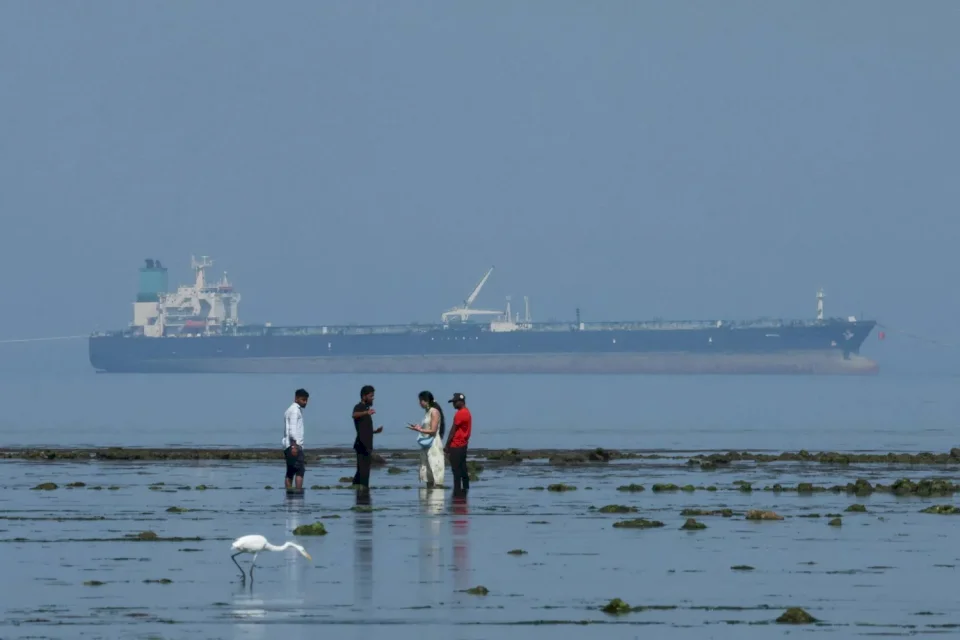
Indian and Asian Refineries Prepare to Resume Purchases of Iranian Oil with US Green Light
SadaNews Economy - Traders said on Saturday that Indian refineries are planning to resume purchasing Iranian oil, while refineries in other Asian countries are considering this step after Washington temporarily lifted sanctions to alleviate the energy crisis caused by the US-Israeli war on Iran.
Three sources in the Indian refining sector reported that they will buy Iranian oil and are awaiting directives from the government and clarifications from Washington regarding details such as payment terms.
Indian refineries, which hold much smaller crude oil inventories than major Asian oil importers, rushed to book Russian oil after the United States recently lifted sanctions temporarily.
Several insiders indicated that other Asian refiners are conducting inquiries to assess the possibility of purchasing oil.
US Treasury Secretary Scott Basset announced that the Trump administration issued a 30-day sanctions exemption on Friday for purchasing Iranian oil that is already at sea.
The exemption applies to oil loaded on any vessel, including sanctioned oil tankers, on or before March 20, and unloaded by April 19, according to the Office of Foreign Assets Control. This is the third time the United States has issued a temporary exemption from the sanctions imposed on oil since the war began.
Releasing Millions of Barrels of Oil
Emmanuel Belostre, Senior Market Data Director at "Kpler," stated that there are about 170 million barrels of Iranian crude oil at sea, on ships scattered from the Arabian Gulf to waters close to China.
"Energy Aspects," a consultancy, estimated on March 19 that there are between 130 and 140 million barrels of Iranian oil at sea, which equals the current production losses in the Middle East for less than 14 days.
Asia relies on the Middle East for 60% of its crude oil supply, and the near-total closure of the Strait of Hormuz this month is forcing refineries across the region to operate at lower rates and reduce fuel exports.
Trump reimposed sanctions on Iran in 2018 due to its nuclear program. Since then, China has become the primary client for Iranian oil, with its independent refineries purchasing 1.38 million barrels per day last year, according to "Kpler" data, driven by significant discounts as most countries shy away from importing crude oil due to sanctions.
Other Challenges Complicating the Purchase
Traders reported that among the potential complications of buying Iranian oil are uncertainties about payment methods and the fact that a large portion of it is stored on board old shadow fleet vessels.
Moreover, two sources in the refining sector mentioned that some previous buyers of Iranian oil were contractually obligated to purchase from the Iranian National Oil Company. However, since the United States reimposed sanctions in late 2018, Iranian oil has been largely sold through third-party traders.
A trader based in Singapore said: "It usually takes some time to complete compliance, management, banking transactions, etc., but I believe people will try to get the work done as quickly as possible."
In addition to China, the list of major buyers of Iranian crude oil before the reinstatement of sanctions included India, South Korea, Japan, Italy, Greece, Taiwan, and Turkey.
 Follow the latest Sada News via Google News
Due to "Hazardous and Counterfeit Products".. Europe Fines "AliExpress" $627 Million

Gasoline Prices Exceed $4 Again in America Amid Resumed War

What was the financial reward for Spain after winning the World Cup?

Gold Stabilizes Amid US Interest Rate Outlook

Oil Prices Climb 2% Amid Escalating Attacks Between the US and Iran in the Middle East

Israel Increases Gas Supplies to Egypt by 26% to Reach 1.2 Billion Cubic Feet Per Day

Expectations of a Delay in European Interest Rate Hike Amid War Risk Preparedness
