
Hebrew Report: Debt, Inflation, and Iran.. The Triangle Complicating the Path to Lowering Interest Rates
SadaNews Economics Translation - The Hebrew newspaper "Globes" published a report indicating that the data released by the Bank of Israel this week shows the extent to which institutional investors are continuing to shy away from the dollar.
According to SadaNews Economics Translation, in the first quarter, pension funds, insurance companies, and savings funds sold foreign currencies worth 5.2 billion dollars (in addition to 13.2 billion dollars sold in the previous quarter). There were also buyers of these dollars, with foreign residents increasing their purchases of foreign currencies to 6.6 billion dollars, compared to about 1.8 billion dollars in the previous quarter.
The newspaper stated that institutional investors are considered "key players in influencing the exchange rate, given that they manage huge amounts amounting to hundreds of billions, in addition to other influencing factors, such as the strength of the dollar against a basket of currencies, the American Federal Reserve's policy, stock markets in Israel and the world, as well as the Israeli economic activity".
SadaNews Economics translated from the newspaper that "since October 7, 2023, another crucial and influential factor has been added, namely the Israeli risk premium, pointing out that the "Governor of the Bank of Israel, Professor Amir Yaron, in his lecture last week at the Aharon Institute conference, clarified the close relationship between the risk premium (5-year credit risk swaps) and the exchange rate of the shekel against the dollar, from the outbreak of the "Iron Swords" war until the recent weeks. This relationship is almost complete; with the outbreak of the war, the risk premium increased significantly, and the shekel subsequently decreased against the dollar, while the "calling" operation in Lebanon led to a sharp decrease in the risk premium and an increase in the value of the shekel, as also happened after the "Kalavi Operation" and after the ceasefire in Gaza, and now with the completion of the "Lion's Roar Operation".
Each of these factors severely influences the strengthening of the shekel's value, but they sometimes overlap. When the risk premium changes, it affects the exchange rate and the stock market, forcing institutional investors to change their strategies or hedge their investments, in a way that encourages the trend of either rising or falling value of the shekel.
The newspaper explained that according to Alex Zbrzyzinski, chief economist at Metaf, and according to SadaNews Economics Translation, "institutions are also reducing their exposure to the dollar due to the rise in foreign markets - they are technically forced to sell dollars if they want to maintain a constant level of exposure, but they are also actively working to reduce their exposure due to the rise in the value of the shekel and the increase in the domestic market".
At the same time, it points to another puzzle, namely the "behavior of foreigners who bought dollars in Israel.
Zbrzyzinski clarifies that "the exchange rate does not reflect an assessment of the shekel's value, but reflects capital movements; with the market rising abroad, institutional investors sell foreign currencies to maintain a similar level of exposure, and with the market rising in Israel, they sell foreign currencies to increase their exposure to Israel, a process that may continue until the market trends change for any reason, but that does not happen quickly; in reality, even with escalating geopolitical tensions, markets are not seeing any enthusiasm, and the shekel continues to break records.
Industrialists have called on the Bank of Israel to lower interest rates in an attempt to curb the rising value of the shekel, which harms the profitability of exports; however, economists believe that the rising value of the shekel is beneficial for the Israeli economy and market, as it has a positive effect on imports, and the cost of raw materials for industry, household consumption, and most importantly, it curbs inflation. The Bank of Israel has repeatedly emphasized that the main motivation of the monetary committee is the inflation target (1%-3%), and at a level close to 2% as expected by the markets, it is unlikely that the bank will rush to lower interest rates," according to the newspaper and SadaNews Economics Translation.
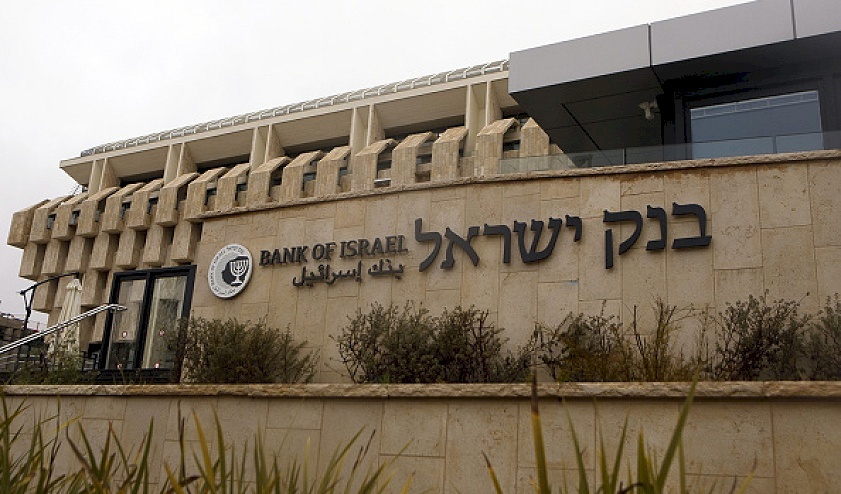
Questions arise regarding the effectiveness of lowering interest rates in influencing the exchange rate, but the facts indicate significant complexities; despite the hints from the occupation bank's governor regarding the possibility of making two additional rate cuts this year if tensions with Iran subside, experts, including Zbryzinski, assert that this step "is of no use." They refer to what happened last January when the bank unexpectedly lowered the interest rate without any noticeable change in the high value of the shekel.
In light of this failure, other options such as direct intervention in the foreign exchange market emerge, which is currently unlikely due to the excessive American sensitivity to this measure, as Washington views any attempt to deliberately weaken the currency as a form of manipulation to achieve unfair competitive advantages.
Among the central reasons that bind the hands of the occupation bank and prevent it from lowering interest rates is the "tight" condition in the labor market; the extensive calling up of the reserve army has led to a severe shortage of the workforce, resulting in a rapid and high increase in wages in the business sector, with a large gap remaining between vacant jobs and unemployment rates, which fuels inflation and forces the bank to be cautious.
The financial reality of the occupation indicates a deeper crisis; the estimated costs of the war reached about 405 billion shekels, leading to an explosion in government debt that jumped from 60% before the war to 70% of the GDP. With the occupation government insisting on allocating an additional 350 billion shekels to the defense system over the next decade, the debt ratio is poised to rise to catastrophic levels reaching 83%.
This financial deterioration has led to a decline in civil investments that stimulate growth, alongside a sharp rise in interest payments on sovereign debt. Accordingly, it appears that the strengthening of the shekel is merely a small detail amidst a series of structural and military crises that have come to shape the occupation's monetary policy and determine the fate of interest rates.
 Follow the latest Sada News via Google News
Soaring Oil Prices Burn the Pockets of the Palestinian Citizen "The Poor"

Millions of Dollars in Losses.. "SadaNews" Reveals Shocking Figures for Traders from Pales...

The Problem of Shekel Overcrowding Worsens.. Fuel Station Owners Threatened with Closure o...

The Palestinian Economy at a Crossroads: 4 Files Awaiting Resolution

Palestine.. Trade Balance Deficit Increases by 15% During May Last Year

The Monetary Authority Keeps the Discount Rate at 25% of Public Sector Employees' Salaries...
Fuel Crisis in the West Bank: Supply Disruption or Liquidity Shortage?
