
The European Union Supports Sustainable Transformation in the Fashion and Textile Industry in Mediterranean Countries through the MATRIX Project with Palestinian Participation
SadaNews - The European Union announced the launch of the MATRIX project "Regional Pathway for Sustainable Textiles," funded by the Interreg NEXT MED program, with participation from partners in Spain, Italy, Tunisia, Egypt, Palestine, and Turkey. The project aims to transform the fashion and textile sector in the Mediterranean region towards more sustainable and innovative production models and to enhance the green transition in design and manufacturing.
In Palestine, Leaders International Foundation is leading and implementing the project's activities locally through support for small and medium-sized enterprises, young designers, and creative initiatives in the fashion field, enabling them to adopt production and design practices that consider sustainability principles. The foundation also seeks to enhance the Palestinian role in regional efforts towards developing a responsible and innovative fashion industry, connecting the Palestinian market with regional and global cooperation institutions.
The MATRIX project is being implemented with a total budget of 1.9 million euros, of which 89% is funded by the European Union under the Interreg NEXT MED program. The project is working on developing a "Circular Fashion Design Toolkit," an innovation that combines practical solutions and technical expertise to support the transition towards a more sustainable industry in the Mediterranean region.
The toolkit focuses on three key areas that form the core of the transition process: efficient resource management through reducing water and energy consumption, using sustainable and recyclable materials to minimize waste, and employing digitization and smart technologies at various stages of design and production. Through a comprehensive training program, the project will help over 200 institutions and companies in the fashion and textile sector adopt and practically apply these sustainable practices, while 90 institutions will participate in field trials to assess the impact of the new tools and measure the level of progress towards circularity and sustainability.
The project's impact extends regionally through experience exchange activities among partner countries, where study visits will be organized in Spain and Tunisia to enhance practical learning and technical cooperation, alongside matching missions and events in Turkey bringing together 40 small and medium enterprises and 15 providers of sustainable solutions in the areas of fashion, innovation, and digitization. This collaboration will culminate in the launch of the regional charter for sustainable fashion, a new alliance among the participating countries to ensure the continuity of the project's impact and reinforce the region's commitments to green transformation in the fashion industry.
In Palestine, the project will contribute to building the capacities of young designers and entrepreneurs, enabling them to develop sustainable production lines based on green economy principles, in addition to enhancing knowledge exchange with international institutions and opening new opportunities for Palestinian participants in global markets. The project will also work to integrate environmental practices in the design and production stages, which will support the Palestinian creative scene and expand its participation in the regional movement for responsible fashion.
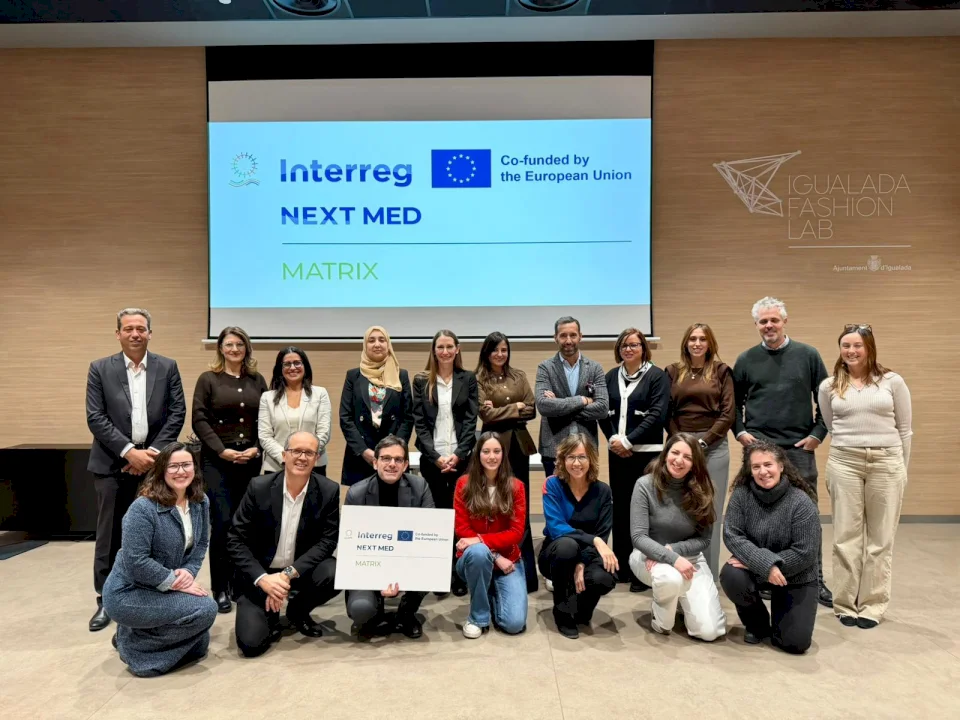
The project's inaugural meeting took place in the Spanish city of Igualada on November 26 and 27, 2025, with participation from partners from the six countries. The first day included welcome speeches from the project coordinator MODACC and presentations about the project's background, objectives, and communication strategy, followed by interventions from the partners, including Leaders International Foundation from Palestine, which presented its vision for enhancing innovation and sustainability in the local fashion sector. The second day focused on discussing the project's four work packages: Knowledge, Model Experiences, Community Building and Sustainability, and Project Management, while prioritizing the next phase and drafting a共同工作计划.
 Follow the latest Sada News via Google News
Soaring Oil Prices Burn the Pockets of the Palestinian Citizen "The Poor"

Millions of Dollars in Losses.. "SadaNews" Reveals Shocking Figures for Traders from Pales...

The Problem of Shekel Overcrowding Worsens.. Fuel Station Owners Threatened with Closure o...

The Palestinian Economy at a Crossroads: 4 Files Awaiting Resolution

بنك إسرائيل يخفض توقعات النمو ويحذر من ارتفاع العجز

Exchange Rates of Currencies Against the Shekel on Tuesday (July 21)

Inflation Expectations in Israel Stabilize at 1.5%
