

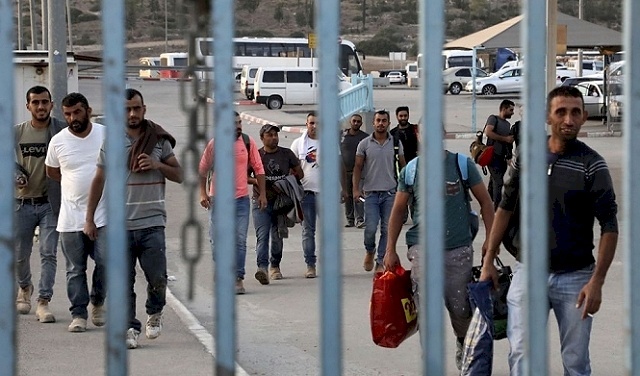
515 Million Shekels Stuck... The Arab Workers' Union Demands Rights for Palestinian Workers
SadaNews - The Arab Workers' Union in Nazareth has demanded that the Israeli Ministries of Finance and Interior release the entitlement of sick leaves for thousands of Palestinian workers who worked inside Israel before the outbreak of the war on Gaza, which amounts to about 515 million shekels.
The union indicated in its message that the Israeli Ministry of Interior, through the Foreign Workers Employment Department, had been deducting 2.5% from the wages of Palestinian workers until the end of 2019, with the intention of allocating these funds to the sick leave fund. However, official data shows that only 11 million shekels were disbursed by the end of 2019, while the majority remained frozen in the ministry's fund until October 7, 2023.
Legal advisor to the union, Wahba Badarna, explained that the Ministry of Finance transferred a portion of these funds, amounting to 218 million shekels, to compensate employers for war losses, while the largest amount remained detained by the Ministry of Interior as rights belonging to Palestinian workers. He added that the Israeli government plans to distribute these funds to various Israeli entities and institutions, such as the Farmers' Union, the Farmers' Association, the Israeli Histadrut, and the National Histadrut Organization, while ignoring the rights of Palestinian workers, describing it as an attempt to "divide the cake."
Badarna confirmed that the union will resort to urgent legal measures if it does not receive a response from the Ministries of Finance and Interior regarding the disbursement of these entitlements, considering them an inherent right of Palestinian workers who worked legally and in an organized manner for Israeli employers.
It is noteworthy that about 75% of Palestinian workers in Israel as of October 7, 2023, were employed in the construction sector, 15% in agriculture, 6% in industry, and 3% in services, while a small percentage of them worked in tourism.
 Follow the latest Sada News via Google News
Soaring Oil Prices Burn the Pockets of the Palestinian Citizen "The Poor"

Millions of Dollars in Losses.. "SadaNews" Reveals Shocking Figures for Traders from Pales...

The Problem of Shekel Overcrowding Worsens.. Fuel Station Owners Threatened with Closure o...

The Palestinian Economy at a Crossroads: 4 Files Awaiting Resolution

Exchange Rates of Currencies Against the Shekel Today, Wednesday (July 22)..

بنك إسرائيل يخفض توقعات النمو ويحذر من ارتفاع العجز

Exchange Rates of Currencies Against the Shekel on Tuesday (July 21)
