

While some count the boos, Palestinians count their martyrs.. Paradoxes of the international system and its selective ethics
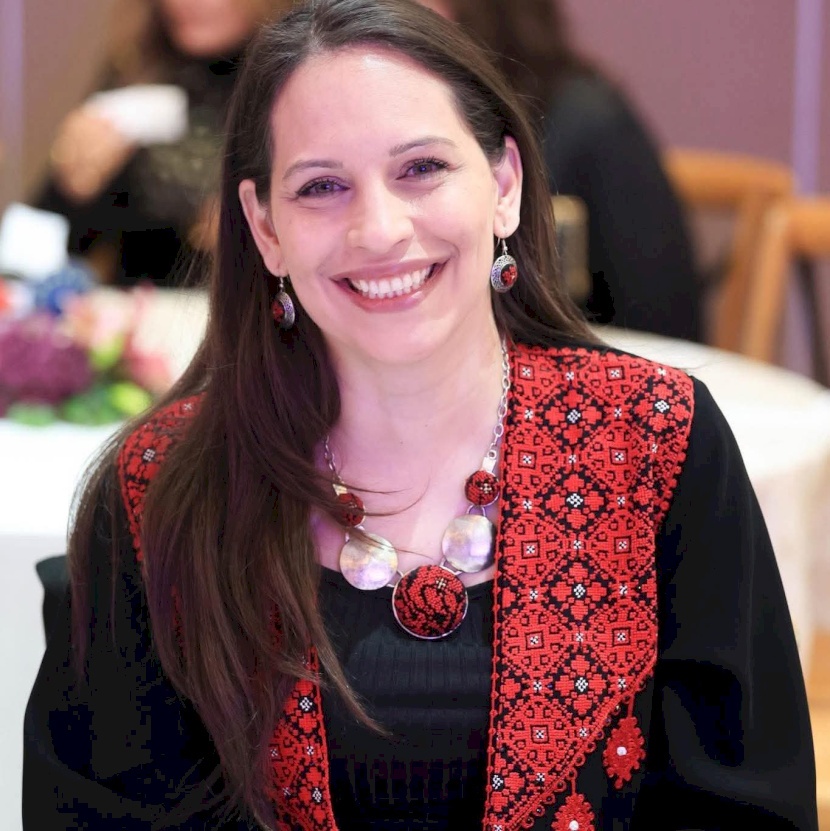
Palestine's Ambassador to Italy
We live in a world that is more concerned with the boos directed at a few Israeli athletes than it is with the killing of more than a thousand Palestinian athletes. A world that stops to condemn the echo of public rejection but seems to lack any will when entire teams are erased. As if the sound of the boos is more disturbing than the sound of bombs, and more offensive than the silence that follows them.
A world that discusses the removal of Israeli soldiers and settlers from Palestinian children's books more than it discusses why these soldiers and settlers are even in their lives. At checkpoints, in home and village raids, in night arrests, in assaults on schools, and even in the invasion of memory itself. A world that insists Palestinians must adjust their narrative, yet never allows them to change their reality.
A world that is troubled by words from a UN Special Rapporteur tasked with documenting violations, speaking in the language of human rights and legal obligations, portraying it as a threat, while barely moving against the actions of a fugitive wanted by the International Criminal Court and his gang, accused of committing serious crimes under international law, treating them as partners, "democratic allies," and "defenders of civilization." Morality and integrity are put on trial, while pure evil criminals, perpetrators of genocide, are granted immunity and impunity.
A world that seeks "peace" through the balance of power, through deals and agreements signed over the heads of those under occupation, instead of a fair peace based on rights, justice, and equality. A world that asks the displaced to accept their erasure, and those under occupation to accept their subjugation, instead of helping them end the structures that produced this displacement and made occupation and subjugation possible.
And a world that rushes to applaud the words of a tyrant boasting of "opening the gates of hell," yet does not muster enough outrage to condemn the reality in which this tyrant continues to choke those gates, block aid, and decide who eats, who is allowed to heal their wounds, who stays warm, who has a roof to shelter under, who moves, and ultimately, who lives or dies. As if Palestinians deserve only the language of concern, symbolic gestures, conditional empathy, and carefully calculated statements.
When a Palestinian child is killed, a door for discussion opens. When a Palestinian is taken prisoner without charge or trial, his arrest is justified. When a Palestinian home is demolished, justifications are created. When the Palestinian voice rises, its humanity is questioned. When the Palestinian existence is threatened, Palestinians are asked to be patient, balanced, rational, and pragmatic.
We are told as Palestinians that sports should remain separate from politics. But politics has already entered our stadiums, fields, schools, homes, and skies. It entered when a child in Gaza lost his leg, along with his dream of running again one day. It entered when hundreds of sports facilities were destroyed, taking with them the very idea of the future: play, competition, and life.
We are asked not to politicize aid. But in Palestine, water, food, and medicine have turned into tools of siege and killing against an entire people. What should embody human values has been harnessed as a tool of domination and supremacy, used to uproot an indigenous people from their land.
We are asked not to politicize international law, meaning we should accept its selective application when it concerns our rights. We are asked to respect procedures, while they are delayed or emptied of content or neglected when they lead to accountability. We are asked to believe in a rules-based order, while its rules are bent and its protections are withheld.
It is said that "the arc of the moral universe is long, but it bends toward justice." But arcs do not bend on their own; they are bent by people, with courage, accountability, and refusal to turn a blind eye to injustice. Today, this arc is constrained, slowed in its bending by absolute immunity from punishment, paralyzed by double standards, and obstructed by the normalization of injustice.
We do not suffer from a lack of information. The facts are documented, images are undeniable, and the law is clear. What we suffer from is a crisis of moral clarity.
The question is no longer what we know, for we all know what we need to know, but rather what we are willing to do with what we know.
Until impunity is stopped, accountability is enforced, and rights are protected equally without exception, and until the life, dignity, and rights of the Palestinian carry the same weight and value in the eyes of the powerful as the lives and rights of Israelis do, this arc will not bend. It will remain suspended, stretched by silence, hesitation, and inaction.
Therefore, the choice before the world and its forces today is clear and simple:
Either continue to manage injustice, along with the suffering of an entire people. Organizing this suffering, containing it, justifying it, and humanizing it.
Or dismantle the structures that produced this injustice, protected it, and allowed it to fester, and eliminate them entirely and forever.
 Follow the latest Sada News via Google News
The Tale of a People Who Refused to Believe the Well

What Does the Supreme National Interest Mean for Palestinians? And How Can It Be Achieved?

The Wronged Ramallah

Between Pragmatism and Survival Management: Where Does Hamas Go After the Election of Khal...

Khalil Al-Hayya as President of Hamas.. Continuation of the Founders' Approach

The Annihilation of Sportsmanship

Until When Will the Palestinian Citizen Pay the Price of an Endless Phase?
