

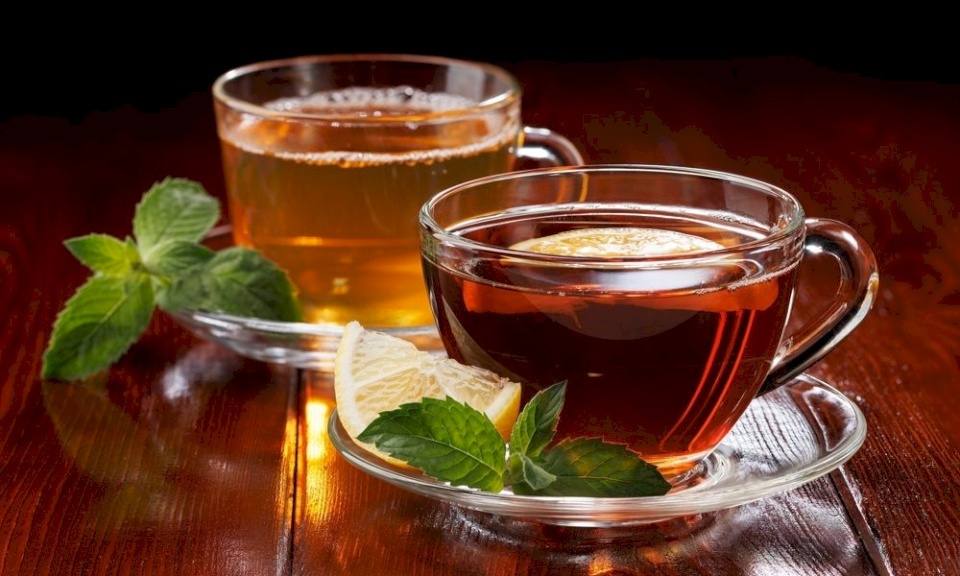
What is the Best Time to Drink Herbal Tea?
SadaNews - With the increasing daily pressures and the fast pace of life, many are looking for natural ways to help relax and improve sleep quality away from stimulants and sleeping medications. Herbal tea is considered one of the top healthy options, due to its calming properties and its ability to support hydration, soothe the nervous system, and enhance feelings of tranquility.
A report from "Verywell Health" explains the best times to drink herbal tea to promote relaxation, highlighting the most notable types that may help reduce stress and improve sleep.
Best Time to Drink Herbal Tea for Relaxation
Herbal tea helps promote a sense of relaxation at different times of the day, but certain periods may be more suitable to maximize benefits:
One hour or more before bedtime:
As it is caffeine-free, herbal tea is a suitable choice in the evening, as it does not cause insomnia. It is advisable to consume it at least one hour before bedtime to allow time for bathroom visits and to avoid waking up at night.
In the morning:
Many people resort to coffee or black tea for a caffeine boost. Replacing them with caffeine-free herbal tea may help start the day with greater calmness.
During or after a stressful period:
Whether the pressure comes from a busy workday, family responsibilities, or personal conflicts, taking a short break to drink herbal tea may contribute to calming the nerves.
How Does Herbal Tea Enhance Relaxation?
Unlike black or green tea, herbal tea is not made from the Camellia sinensis plant, meaning it does not contain the "L-theanine" compound associated with stress relief.
However, herbal tea can help relaxation in several ways, including:
Maintaining hydration:
Herbal tea helps meet the body's fluid needs, reducing stress caused by dehydration. Research has shown that a lack of water intake can amplify the body's stress response and contribute to related health problems.
Allowing for a break:
Taking time to prepare and drink tea gives the mind a break from the pressures of daily life, helping to slow down and feel calm.
Physiological effects of herbs:
Certain herbs used can lead to chemical reactions that enhance feelings of reassurance. For example, chamomile and lavender have been shown to have anti-anxiety properties, while mint and lavender may help improve sleep quality.
Best Types of Herbal Tea for Relaxation
There are various types of herbal tea, some of which are more effective in promoting relaxation depending on their ingredients and their effect on the body, including:
Chamomile:
Multiple studies have shown that drinking chamomile tea can reduce feelings of anxiety.
Lavender:
Drinking lavender tea in the morning and evening for two weeks has been linked to a reduction in symptoms of anxiety and depression.
Mint:
Besides relieving digestive disorders, it may also help reduce stress.
Passionflower:
Research suggests that passionflower tea may improve sleep quality, reflecting its calming effect.
Rose:
Studies have shown that aromatherapy with rose scent can reduce stress and anxiety and improve sleep, and rose tea may have a similar effect, although more research is needed.
Tea as a Daily Ritual
The timing of drinking herbal tea may not be the most important factor in achieving relaxation, but rather the quality of the moment in which it is consumed.
In several cultures, from China to Japan and Britain, tea is an essential part of daily traditions, and preparing and drinking it is often seen as an opportunity for contemplation and calm.
Contemplative effect:
Some cultures include special tea rituals aimed at enhancing contemplation and tranquility, and treating tea drinking as a form of meditation may enhance the sense of relaxation.
Social interaction:
Often, drinking tea presents an opportunity for social interaction, which positively affects mental health.
Instead of preparing a quick cup and sipping it while browsing the phone, it may be beneficial to dedicate more time to savoring the flavors, or sharing a pot of tea with a friend, in an experience that combines calmness and present awareness.
 Follow the latest Sada News via Google News
After Deschamps' Departure... Zinedine Zidane Tops the Candidates to Lead France

Mbappe Surpasses Messi and Becomes the All-Time Top Scorer in the World Cup

England Defeats France and Achieves Largest World Cup Achievement Since 1966

Messi Refused to Play for Spain and Missed 3 World Cups

Publishers Sue Google for Allegedly Using Books to Train Artificial Intelligence

Google Expands Capabilities of Google Search Console to Support Social Media Accounts

The Mediterranean Table... An Ancient Diet Revealing Its New Secrets for Health and Longev...
