

Washington Considers Using Iranian Assets to Finance Damage Repair in Gulf States
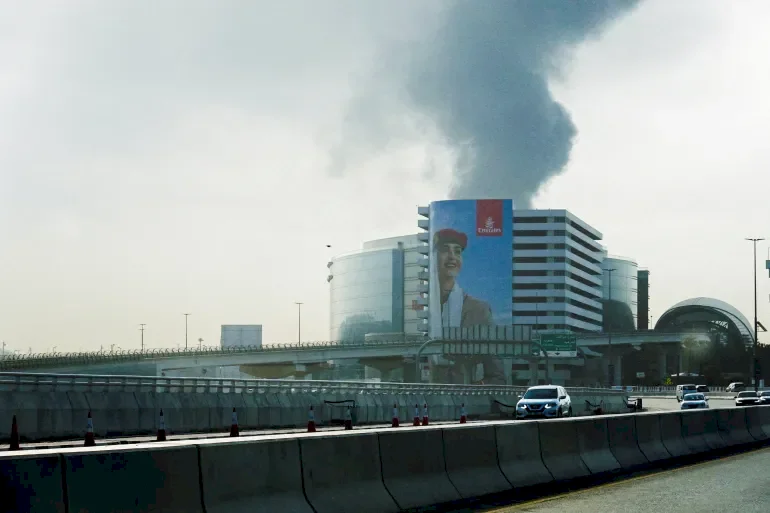
SadaNews - An informed source revealed that the U.S. administration is considering directing Iranian assets towards funding reconstruction projects and compensating for the damages caused to Gulf states due to Iranian attacks, amid a new escalation in the region characterized by drone and missile strikes targeting Kuwait and Bahrain.
The source explained that U.S. Treasury Secretary Scott Pelley has tasked a specialized team with conducting a comprehensive assessment of the damage caused by Iran to U.S. allies in the Gulf, indicating that Washington is exploring the possibility of using Iranian assets to compensate for current damages and any potential future losses that may arise from the continuation of the conflict.
This information came one day after statements made by Mohsen Rezaei, an advisor to Iran's Supreme Leader, to CNN, in which he confirmed that reaching a peace agreement requires the release of $24 billion in Iranian assets frozen in the United States.
The source did not specify the nature of the assets that the U.S. Treasury is considering using, nor was it clear whether the proposed actions are limited to frozen funds or include other assets.
These developments reflect a setback in efforts to establish a ceasefire agreement, despite reports from the Iranian Student News Agency about the arrival of Pakistani Interior Minister Mohsen Naqvi in Tehran carrying a special message to Iran's Supreme Leader Ali Khamenei as part of mediation efforts led by Islamabad.
Observers believe that the U.S. signaling of redirecting Iranian assets may exacerbate existing tensions and threaten the fragile ceasefire between Washington and Tehran, especially in light of ongoing military confrontations between the two sides.
In this context, U.S. forces announced they bombed Iranian coastal radar sites in Goruk and Qeshm Island overlooking the Strait of Hormuz, after downing drones that U.S. Central Command stated were threatening maritime navigation. The U.S. military later announced the downing of two Iranian drones over the strait.
In response, the Iranian Revolutionary Guard announced it retaliated by targeting U.S. bases in Kuwait and Bahrain. The Kuwaiti army reported that it intercepted seven ballistic missiles that passed over residential areas, causing material damage without any recorded casualties.
In Bahrain, alarm sirens sounded and residents were asked to head to shelters, while the Kuwaiti and Bahraini governments condemned the attacks.
Iran later announced it targeted U.S. bases in both countries with ballistic missiles, while the U.S. military confirmed intercepting six missiles and that the seventh missile did not reach its target.
Currently, indirect negotiations are ongoing between the United States and Iran with the aim of reaching a temporary agreement to halt the war that has been ongoing for three months, with more complex issues, including the Iranian nuclear program, postponed to later negotiation phases. However, the recurrence of military confrontations continues to hinder the chances of reaching a final agreement.
Iran demands billions of dollars in oil revenues, exemptions from sanctions imposed on its oil exports, lifting U.S. restrictions on its ports, and full control over the navigation in the Strait of Hormuz, through which about a fifth of global oil trade passed before the outbreak of the war.
As part of the Pakistani mediation efforts, Iranian state media reported that Pakistani Interior Minister Mohsen Naqvi arrived in Tehran for talks with Iranian officials, including Foreign Minister Abbas Araghchi, indicating that he carries a "special message" from the Pakistani army chief and prime minister to Iran's Supreme Leader.
At the same time, U.S. President Donald Trump is facing increasing domestic political pressure due to rising fuel prices and the repercussions of the economic war.
Trump stated in an interview with NBC that U.S. strikes have destroyed most of Iran's missile and drone production facilities, although Tehran still retains about 21 to 22 percent of its missile arsenal.
 Follow the latest Sada News via Google News
The World Bank Warns: "The Worst-Case Scenario" for Global Growth is Approaching

Trump Prepares to Impose New Tariffs on Dozens of Economies

Gold Surpasses $4,100 as Selling Pressure Eases

Oil Rises for the Fourth Day as Supply Risks Escalate

An Additional $8 Billion.. A New Account from the Pentagon on the Cost of the War with Ira...

London Stock Exchange Enters the Era of 24/7 Trading

Shamaran Petroleum: Suspension of Oil Production in Duhok Fields in the Kurdistan Region o...
