

Tehran Confirms: We Are Still Studying the Response to the American Proposal
SadaNews - After U.S. Secretary of State Marco Rubio announced that his country is awaiting the Iranian response to the proposal to halt the war, the Iranian Ministry of Foreign Affairs confirmed that the response is still under study.
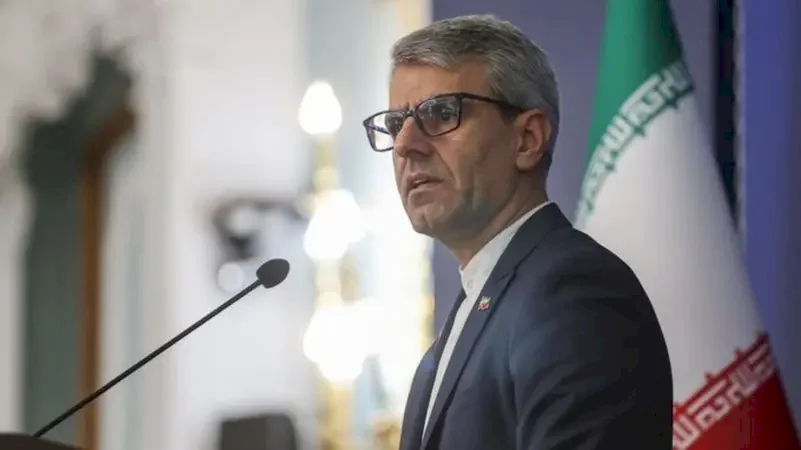
Today, the spokesperson for the Foreign Ministry, Ismail Baqaei, clarified that Tehran is still considering the response to the American proposal and will announce it when a final decision is reached.
He also stated that "what happened last night was a blatant violation of international law and a breach of the ceasefire," referring to the American bombing that targeted two ships and sites in southern Iran yesterday, Thursday.
"We Will Respond to Any Adventure"
However, he noted that "the Iranian forces dealt a strong blow to the enemy and will respond forcefully to any new aggression or adventure if necessary," as he put it.
He also confirmed that the armed forces are "at the highest levels of readiness and are closely monitoring developments."
This came after Rubio expressed hope that the Iranian response would be positive.
He emphasized that Iran's control over the Strait of Hormuz is "unacceptable," following reports about Tehran establishing a body to oversee the vital waterway for global energy supplies in the context of the war with the United States. During a visit to Rome, Rubio stated, "Iran is currently claiming to own, and has the right to control, an international waterway... This is unacceptable."
A Tough Path
A diplomatic source had previously indicated that the Iranian response would be delivered today; however, Baqaei's statements suggest that Tehran's answer may be postponed.
The source also revealed that the negotiation process is arduous, and there are still existing obstacles. He pointed out that "progress on the nuclear program and the Strait of Hormuz files is slow." He explained that "both the nuclear program and the Strait of Hormuz files require additional rounds of negotiations."
 Follow the latest Sada News via Google News
Report: Washington feared Israel's assassination of Qalibaf and Araqchi during negotiation...

4 Martyrs in the Gaza Strip

Hebrew Channel: Egypt Offered Hamas to Hand Over Its Weapons to Cairo as a Custody

Katz: We Rose After 1000 Days of War and Became a Major Power

Journalist Union: We Reject Doubts About the Status of Martyr Journalists and Warn Against...

Jordanian King Issues Order to Transfer Kingdom's Ambassador to Israel to Amman

Zamir: The War We Are Fighting is the Longest in Israel's History
