
Reuters: Indian Refining Companies Pay for Iranian Oil Shipments in Yuan
SadaNews - Reuters reported citing informed sources that Indian oil refining companies are settling payments for shipments of Iranian oil, purchased under a temporary exemption from U.S. sanctions, using Chinese yuan through ICICI Bank in Mumbai.
Traders indicated that the difficulties facing payment arrangements for such shipments—due to long-standing sanctions on Tehran—have discouraged some potential buyers of Iranian crude oil under the U.S. exemption.
Last month, Washington announced a 30-day exemption from U.S. sanctions imposed on the purchase of Russian and Iranian oil on ships at sea, in an attempt to lower prices that have increased due to the U.S.-Israeli war on Iran.
On Wednesday, Treasury Secretary Scott Bensant stated that the U.S. would not renew the exemption, which is set to expire for Iranian oil on Sunday.
Oil is traded in almost all the world's markets in dollars, except for sanctioned Russian oil, which is traded in rubles or yuan.
Oil Deals
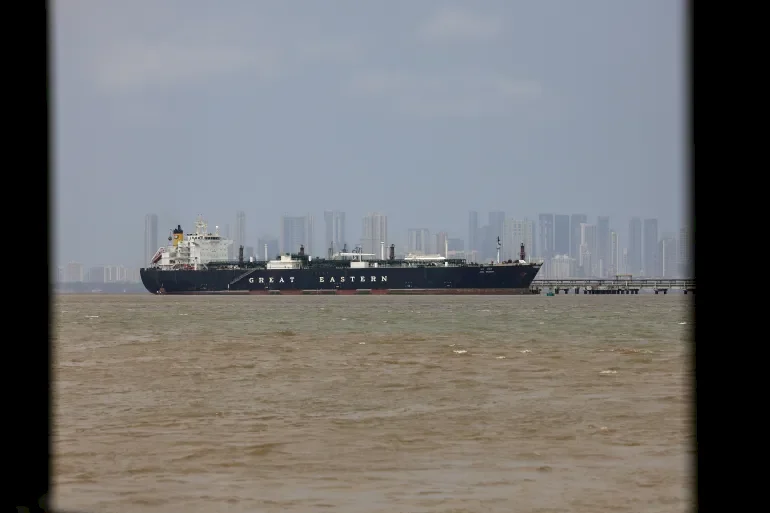
The state-owned company Indian Oil Corporation, the largest refining company in the country, earlier this month purchased two million barrels of Iranian oil that were on the supertanker Gaya, marking the first such deal India has made in seven years, with a shipment valued at approximately $200 million.
Sources last week mentioned that India also allowed four ships carrying Iranian oil to dock for the private refining company Reliance Industries.
According to data from the London Stock Exchange Group and a source in the shipping sector, one ship so far, the "MT Felicity," has discharged its cargo.
Both companies are settling transactions through ICICI Bank, which converts money into Chinese yuan via its branch in Shanghai to the sellers' accounts in yuan.
Two sources mentioned that Indian Oil Corporation paid about 95% of the value of the shipment as soon as it received readiness notification from the supplier, which indicates that the oil-laden tanker has entered Indian territorial waters. One of them stated that this is an unusual arrangement.
The sources clarified that state-owned Indian refining companies usually settle the value of oil coming from countries under Western sanctions upon actual delivery or after the cargo is discharged.
India is among the largest buyers of Russian oil since the war in Ukraine in 2022 led to widespread Western sanctions on Moscow.
Indian refining companies have also used the Chinese currency to settle some of their purchases of Russian oil.
One of the sources indicated that Indian Oil Corporation does not plan to purchase more Iranian oil.
Until the issuance of the U.S. exemption, India had ceased purchasing Iranian oil since 2019 due to U.S. sanctions.
Since then, private Chinese refineries have become the main buyers of Iranian crude oil exports.
In March, CNN reported that an official described as senior stated that Iran is considering allowing a limited number of oil tankers to pass through the Strait of Hormuz, provided that the oil shipments are traded in Chinese yuan.
Experts speaking to Al Jazeera Net at the time considered this step as an economic tool in the hands of Tehran to pressure Washington.
Deutsche Bank previously viewed that one long-term outcome of the Iran war could be an increasing shift towards the yuan for settling payments for Iranian oil and the passage of tankers through the Strait of Hormuz, placing the dispute at the heart of a direct test of the U.S. currency in the world's most important commodity market.
International reports have also revealed that Iran is moving to require toll fees for oil tankers passing through the Strait of Hormuz to be paid in cryptocurrencies, reflecting Tehran's increasing reliance on crypto assets to circumvent the financial restrictions associated with international sanctions, especially those imposed by the U.S.
 Follow the latest Sada News via Google News
Dollar Steadies Near One-Week High Amid War Developments

Trump Imposes Tariffs on Canadian Imports... Ottawa Vows to Respond

Oil Prices Drop After Reports of Mediation Efforts Between the U.S. and Iran

Gold Price Rises Supported by Increased Buying Amid Lower Prices

Due to "Hazardous and Counterfeit Products".. Europe Fines "AliExpress" $627 Million

Gasoline Prices Exceed $4 Again in America Amid Resumed War

What was the financial reward for Spain after winning the World Cup?
