

Top News
Israel Prepares to Return to War: "Ceasefire is Extremely Fragile"
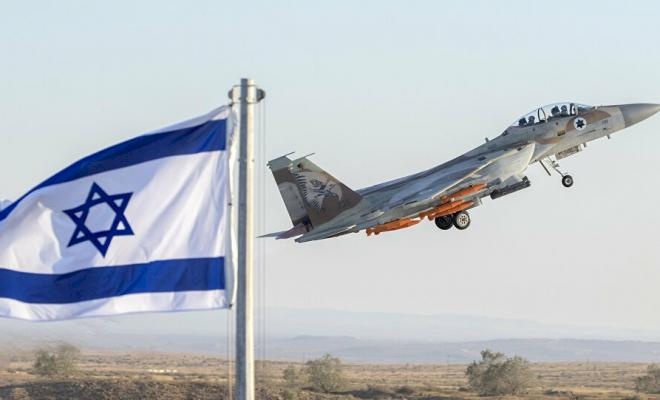
SadaNews - The broadcasting authority reported, citing a senior Israeli security official, that the ceasefire agreement between Tehran and Washington remains "extremely fragile" as pessimism grows within the security establishment, with preparations underway to return to fighting in the event that talks collapse.
Iran's state television stated that the delegations from Tehran and Washington held two rounds of talks in Islamabad on Saturday, indicating that a third round is likely to be held this evening or on Sunday.
In this context, the Israeli broadcasting authority noted that preparations are ongoing for the resumption of military operations even before the two-week period associated with the ceasefire concludes, confirming that Israel is applying pressure on the United States to secure a commitment that guarantees its future military freedom of action against Iran, alongside demands not to allow the Iranian regime to retain enriched uranium.
The authority said that Israel has submitted a list of demands within the ongoing negotiations between the United States and Iran, including the removal of enriched uranium, dismantling of enrichment facilities, in addition to separating the Lebanese file from the Iranian one.
"Excessive Demands"
In the same vein, Iranian television reported that two rounds of negotiations were held between Tehran and Washington in the Pakistani capital Islamabad, with preparations for a third round, noting that the American side is still adhering, as described by them, to "excessive" demands.
For its part, a White House official confirmed that direct negotiations between the concerned parties are ongoing.
In a related context, the Financial Times reported from informed sources that disagreements still persist regarding the reopening of the Strait of Hormuz, as Iran insists on maintaining control over it and imposing transit fees on vessels.
These developments reflect a rise in regional tensions, with an intersection of political and military pathways, and increasing doubts about the chances of reaching understandings at this current stage.
 Follow the latest Sada News via Google News
Read Also

Morocco Hosts Formative Exercise for International Stabilization Force in Gaza

Sheikh Holds Meeting with Security Leaders to Follow Up on Current Developments

Hebrew Channels: The Likelihood of Israel's Participation in the Attack on Iran is Increas...

Netherlands Sets September Deadline for Ban on Settlement Products

12 Martyrs in Gaza Strip since Dawn Today

A Series of Important Decisions Taken.. The Cabinet Discusses Developments in the Deterior...

Organizations of the Temple Prepare for the Largest Raid on Al-Aqsa on What is Called the...
