

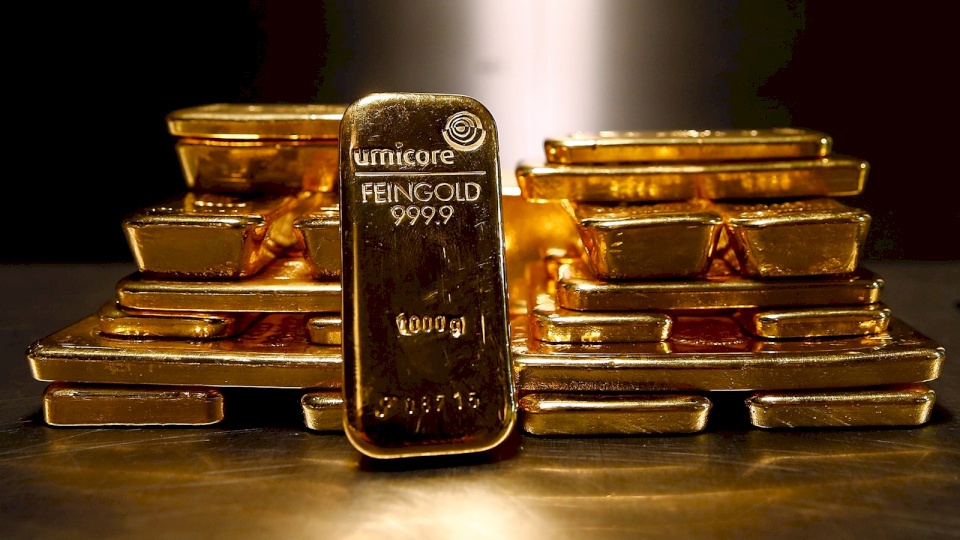
Gold Stabilizes as Iran's War Enters Its Fifth Week
SadaNews - Gold stabilized after achieving its first weekly gain since the outbreak of the conflict in the Middle East, as buying on dips supported prices, while the market awaits clarity regarding the duration of the ongoing dispute.
The precious metal recovered from some of its early losses to settle near the $4500 per ounce level, reflecting a degree of resilience despite the continued rise in oil prices and a decline in stocks. This indicates that investors are stepping in to capitalize on prices that have fallen due to the war over the past month, amid rising inflation concerns and dwindling prospects for interest rate cuts.
Escalating Conflict Puts Pressure on Gold's Appeal
The involvement of Iran-backed Houthis in the conflict over the weekend has raised fears of further escalation, along with an influx of more U.S. troops to the region. While Pakistan, Egypt, Saudi Arabia, and Turkey gathered to create a pathway to end the war, Iran launched attacks on aluminum smelters in Bahrain and the UAE, and electricity was cut off in parts of Tehran following Israeli missile strikes.
These developments have raised concerns of a prolonged conflict that could prompt central banks to sell gold and raise interest rates to control inflation. This, along with liquidity shortages in the markets, has led to a decline in gold prices by about 14% since the war began in late February.
However, expectations for rate hikes may diminish given the risk of a sharp slowdown in an economy already facing weakness. Some of Wall Street's largest fund managers believe that markets are underestimating the risks of economic slowdown, which could ultimately lead to a drop in Treasury yields. This would reduce the opportunity cost of holding gold, enhancing its appeal.
Alexander Carrier, a portfolio manager at the "DNC AN Investment Strategic Resources" fund, stated that "gold may remain under pressure" in the short term, noting the risks of further selling by central banks and position liquidations by investors.
Pressure from Central Banks and Energy Prices
High central bank purchases have been a key support for rising gold prices over the past two years, but the Turkish central bank broke this trend during the first two weeks of the war, selling and swapping around 60 tons of gold worth more than $8 billion.
Many countries that have accumulated this metal are also energy importers, meaning that rising oil prices reduce the dollars available for reinvestment in gold.
Spot gold prices stabilized at $4491.45 per ounce at 12:07 PM in Singapore. Silver rose by 0.1% to $69.83.
Both platinum and palladium also rose. The Bloomberg Spot Dollar Index, which measures the performance of the U.S. currency, fell by 0.1% after rising by 0.7% last week.
 Follow the latest Sada News via Google News
London Stock Exchange Enters the Era of 24/7 Trading

Shamaran Petroleum: Suspension of Oil Production in Duhok Fields in the Kurdistan Region o...

Dollar Steadies Near One-Week High Amid War Developments

Trump Imposes Tariffs on Canadian Imports... Ottawa Vows to Respond

Oil Prices Drop After Reports of Mediation Efforts Between the U.S. and Iran

Gold Price Rises Supported by Increased Buying Amid Lower Prices

Due to "Hazardous and Counterfeit Products".. Europe Fines "AliExpress" $627 Million
