

Repercussions of the Iran War: Fuel Shortage Hits Hundreds of Stations in Australia
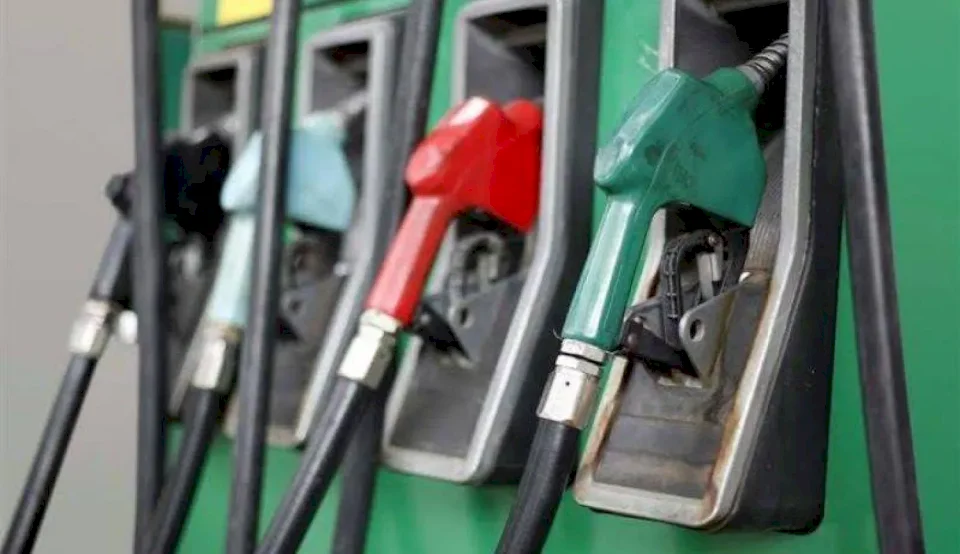
SadaNews - Hundreds of fuel stations across Australia have reported a fuel shortage, as the war in the Middle East disrupts global supplies.
Energy Minister Chris Bowen stated in parliament on Tuesday that at least 600 retail locations across the country have run out of at least one type of fuel. The shortages were mainly concentrated in the two most populous states, New South Wales and Victoria, affecting about 10% of the total stations.
The near closure of the Strait of Hormuz since the United States and Israel launched their initial attacks on Iran at the end of last month has cut off about one-fifth of the world's oil, tightening fuel supplies and sharply raising prices.
Due to limited local refining capabilities, Australia imports more than two-thirds of its gasoline, diesel, and jet fuel needs. Its largest supplier, South Korea, has already announced it will impose caps on some exports.
On Tuesday, the government announced it would lower diesel standards over the next six months to boost local supplies, expanding the range of potential suppliers to include the United States, Canada, and Europe. Australia had 38 days of gasoline reserves and 30 days of diesel last week after drawing from stocks to meet rising demand.
Rising Prices and Stricter Policies
Gasoline and diesel prices have risen together, according to data from the "Australian Institute of Petroleum," adding pressure to the economy. The Reserve Bank of Australia raised the key interest rate last week for the second consecutive meeting in efforts to combat ongoing inflation.
On Wednesday, Australia introduced legislation that will allow the competition authority to double penalties for false or misleading conduct and for monopolistic practices, with a maximum of 100 million Australian dollars (70 million USD) for each violation.
The government had already raised the maximum penalties to 50 million Australian dollars, five times the previous level, amidst reports that fuel prices at stations have exceeded increases in global benchmarks during the first phase of the conflict with Iran.
 Follow the latest Sada News via Google News
The World Bank Warns: "The Worst-Case Scenario" for Global Growth is Approaching

Trump Prepares to Impose New Tariffs on Dozens of Economies

Gold Surpasses $4,100 as Selling Pressure Eases

Oil Rises for the Fourth Day as Supply Risks Escalate

An Additional $8 Billion.. A New Account from the Pentagon on the Cost of the War with Ira...

London Stock Exchange Enters the Era of 24/7 Trading

Shamaran Petroleum: Suspension of Oil Production in Duhok Fields in the Kurdistan Region o...
