

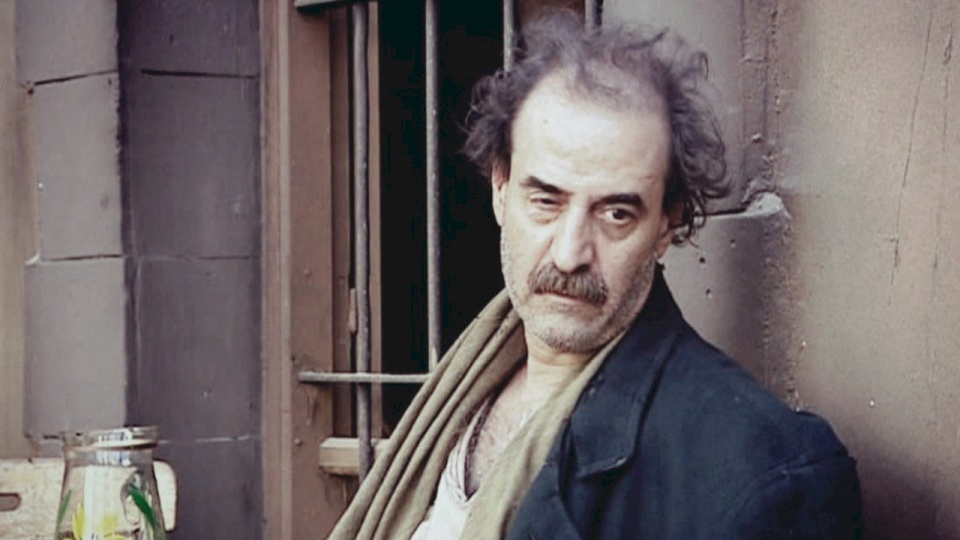
The Idashari.. The Repentant Villain Who Created the Glory of Bab Al-Hara
SadaNews - In the alleys of old Damascus, in the heart of "Harret al-Dabba" which has lived in the memory of Arab viewers for years, the character of "Idashari" emerges as one of the most complex and impactful dramatic personas. Although Syrian artist Bassam Koussa has presented dozens of brilliant roles, this particular character has remained the best in his career and the landmark that established the success of the phenomenon of "Bab Al-Hara".
The Idashari: A Villain Who Is Not Despised
The Idashari was not a traditional villain; rather, he embodied the struggle between the base impulses of the soul and a delayed awakening of conscience. After committing a crime that shook the foundations of the neighborhood: stealing the gold of merchant Abu Ibrahim and killing the guard Abu Samho who exposed him, his heinous act haunted him in his nightmares, mixing his feelings between clinging to greed and feeling remorse.
The Curse of Gold and Divine Justice
What kept the character in the memory was the deployment of "divine justice" in its dramatic trajectory; the shoe that fell from him during the escape, the false oath he swore on the Quran in front of the neighborhood leader, the gangrene that afflicted his hand after swearing the oath, culminating in the death of his son "Ma'roof"; all these events were a dramatic escalation that took the viewers from peak anger at the Idashari's actions to peak sympathy for his downfall.
Here, the character was presented as a model of a villain who did not completely strip away his humanity. The brilliant performance of Bassam Koussa played a fundamental role in reflecting these contradictions with sincerity and spontaneity, allowing viewers to touch upon the internal struggles that the Idashari faced, creating a feeling of indignation towards him in the early episodes of the series, and sympathy with him in the later episodes.
The Story of the Idashari
The character of the Idashari began as a reckless man with a criminal past, but leader Abu Saleh gave him a chance to start an honest work selling pickles in the neighborhood. Nevertheless, the Idashari could not break away from his past and stole gold liras from the house of Abu Ibrahim, and when the guard Abu Samho discovered his deed, the Idashari had no choice but to kill him and bury him with the gold.
The men of the neighborhood suspected him and accused him of theft, but they could not prove his involvement, so the Idashari left with his family to "Abu Al-Nar" neighborhood, where he temporarily resided and began planning to return to his neighborhood as a hero. Indeed, he managed to do so through cunning and deceit, as he instigated a problem between the men of the two neighborhoods, then appeared as the brave man who stood with his neighborhood's men, even getting severely injured in his arm during the dispute.
Following that, tragic events unfolded in the life of the Idashari, as he lost his firstborn son to a snakebite, and he sustained gangrene, forcing him to amputate his arm (the same arm he swore a false oath that he did not steal the gold). Throughout this time, nightmares haunted him, creating an internal conflict and a feeling of relentless remorse.
Ultimately, the Idashari confessed to the leader and the people of the neighborhood about his crime, and he died after this confession, which granted him some peace. Abu Ibrahim recovered his gold, distributing part of it to the poor and the family of guard Abu Samho.
Departing at the Right Time.. Why Did Koussa Refuse to Return?
The journey of the Idashari concluded in the last episode of the first season with his confession on his deathbed. Despite the overwhelming success, Bassam Koussa made a decisive decision not to return in the following seasons, even though the director suggested reviving him in the tenth season by depicting a "twin brother" character of the Idashari.
Koussa stated: "If God loves someone, He takes him to Him," indicating that the death of the Idashari spared him the entry into the tunnel of "trading and investment" that the series fell into after producing many parts that lost the work its original brilliance.
"Bab Al-Hara" Loses Its Brilliance
The first part of "Bab Al-Hara" (produced in 2006) is considered the golden age of the series, focusing on noble values, original Damascene traditions, and real conflicts drawn from the Levantine environment of the 1920s. The second and third parts also achieved similar success.
However, with the subsequent parts reaching 13 seasons, the work slipped into becoming a purely commercial project, far from the spirit of old Damascus that people loved, and fell into the trap of tedious repetition, leading to the withdrawal of most of its original protagonists.
Nevertheless, the work remains linked to viewers' memories with its original heroes who shone in the earlier parts, particularly the character of the Idashari, which Bassam Koussa turned into one of the unforgettable icons of Ramadan drama.
Source: Websites
 Follow the latest Sada News via Google News
FIFA Referees Committee, Led by Colina, Clarifies Cases from Egypt vs. Argentina Match

The Egyptian Federation Files Official Complaint Against Referee Letexier

Do You Know How to Comfort Someone Who is Crying? Here's What to Say and Do in Tough Momen...

"Backrooms": From Digital Legend to Cinematic Phenomenon

Prediabetes.. The Silent Bomb Carried by Millions Without Their Knowledge

From Sweden 1958 to the Epic of Egypt 2026.. Argentina's History with World Cup Comebacks

After the South Africa Precedent.. Nigeria Investigates the Encroachment of Technology Com...
