

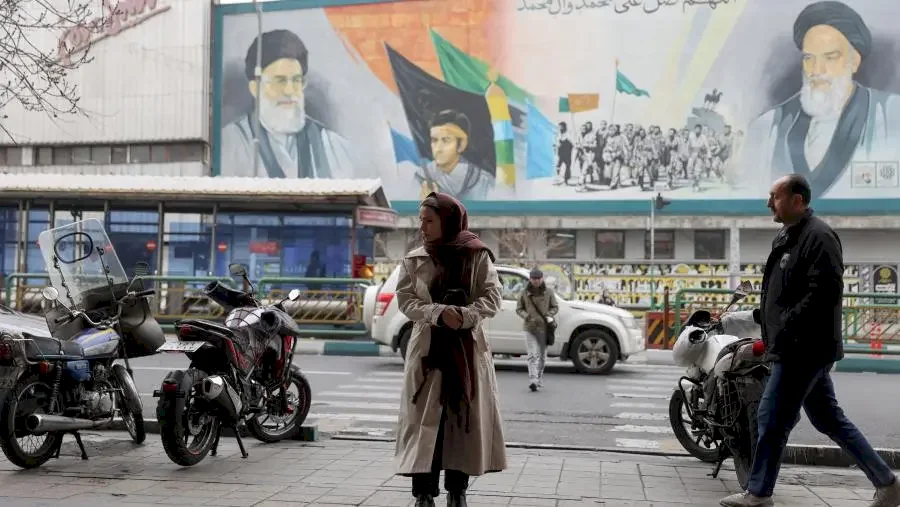
Iran Ahead of Geneva Negotiations: America's Stance on Nuclear File Has Become More Realistic
SadaNews - The Iranian government said on Monday, on the eve of a new round of discussions with the United States, that Washington's position on the nuclear file has become more flexible.
The spokesman for the Iranian Foreign Ministry, Ismail Baqaei, told the official IRNA agency, "Given the discussions that took place at the beginning of February in Oman, we can cautiously conclude that the American position on the Iranian nuclear issue has become more realistic."
Tehran defends its right to develop a civilian nuclear program, in accordance with the Nuclear Non-Proliferation Treaty it signed.
The Challenge of Reaching an Agreement with Iran
For his part, U.S. Secretary of State Marco Rubio said on Monday that reaching an agreement with Iran represents a significant challenge, while also expressing optimism about the possibility of achieving it.
This came during a joint press conference that Rubio held with Hungarian Prime Minister Viktor Orbán during his official visit to the Hungarian capital, Budapest.
Rubio pointed out that U.S. negotiators are heading to Geneva to hold meetings with the Iranian side.
He added: "We are optimistic, and it is possible to reach an agreement. The president (Donald Trump) always prefers peaceful results and negotiated solutions."
Anticipated Negotiations in Geneva
In response to questions from reporters, Rubio said: "Iran is ruled by Shia clerics, and they make their political decisions based on purely ideological and theological foundations."
On Tuesday, a new round of indirect nuclear talks between Iran and the United States will be held in Geneva, Switzerland.
On February 6, Muscat hosted an indirect negotiation round between the United States and Iran, amidst a military buildup by the U.S. in the region against Tehran.
Tehran views the U.S. administration and Israel as fabricating excuses for military intervention and regime change in Iran, and vows to respond to any military attack, even if limited, while insisting on lifting Western economic sanctions imposed on it in exchange for restricting its nuclear program.
In contrast, the United States demands that Iran completely stop its uranium enrichment activities, remove high-enriched uranium from its territory, and include its missile program and support for armed groups in the region in the negotiation agenda, which Iran rejects, asserting that it will only negotiate on its nuclear file.
Israel and its ally, the United States, accuse Iran of striving to produce nuclear weapons, while Tehran claims that its nuclear program is designed for peaceful purposes, including electricity generation.
 Follow the latest Sada News via Google News
Ben Gvir: Ceasefire with Lebanon is a Grave Mistake

Katz: A Demilitarized Zone Will Be Established South of the Litani

Environmental Catastrophe in Gaza: 33.2 Million Tons of Carbon Emissions

Ministry of Health: Lives of Thousands of Patients at Risk and Urgent Appeals for Internat...

Report: Trump Sets 'Red Line' for Returning to War with Iran

A Blow to Trump.. The U.S. House of Representatives May Put an End to the War with Iran

10 Martyrs in Israeli Airstrikes Targeting Residential Apartments in Gaza City
