
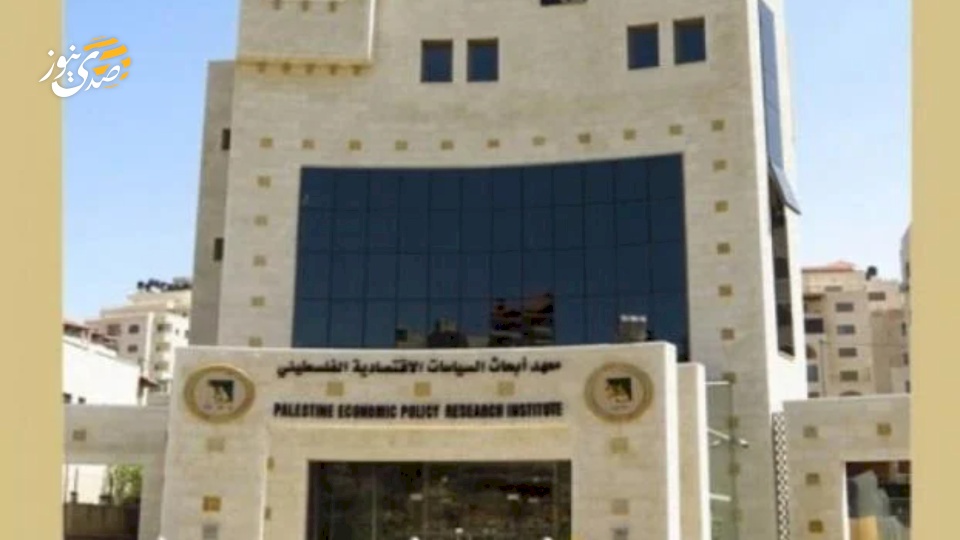
Mas Institute Publishes New Study on "Political Economy and Challenges of Palestinian Development Amid Israeli Policies"
SadaNews - The Palestinian Economic Policy Research Institute (MAS) has published a new study titled "Political Economy and Challenges of Palestinian Development Before and After the Genocide War." This study provides an in-depth analytical reading of the economic and political transformations currently experienced by the Palestinian people.
This study comes amid pivotal material and political circumstances that are expected to affect the course of this new phase. Its first chapter indicates that the economic and political conditions for Palestinians prior to October 7 were neither stable nor solid; rather, they were suffering from deep structural imbalances. The study concludes that the failure of the Paris Protocol to effectuate real developmental change is due to the subjugation of the Palestinian-Israeli economic relationship to Israeli government policies that directed market mechanisms to serve Israeli interests at the expense of Palestinian development, entrenching dependency, distorting the economic structure, and pushing the economy towards a state of "resilience and confrontation," especially after the escalation of violence in the West Bank following the formation of the current Israeli government in 2022.
Meanwhile, the second chapter observes the economic and social shocks endured by the fragile Palestinian economy and society due to two years of devastating war that Israel is waging in both the Gaza Strip and the West Bank, including East Jerusalem, even though the intensity and means of aggression vary between these areas.
The third chapter concludes that the Palestinian economy today stands at the crossroads of resilience under occupation and survival in the face of genocide, reviewing key lessons learned since 2023 and assessing the scale of upcoming economic and social challenges. The study reaffirms that the path of Palestinian development has remained stalled due to long-standing Israeli policies aimed at entrenching dependency and controlling resources, through an "unequal containment" strategy, separating the West Bank from the Gaza Strip, and slicing up Palestinian geography, which has hindered any independent economic development.
The third chapter concludes with initial insights from the new Palestinian political economy, highlighting the radical transformations since 2023 in the political and economic landscape, and the shifting priorities between what is realistic and feasible and what has become illusory, while estimating the scale of forthcoming economic and social challenges, and discussing the risks arising from the continued dominance of messianic religious Zionism in Israel, and Palestine's ability to endure and confront this onslaught.
 Follow the latest Sada News via Google News
Soaring Oil Prices Burn the Pockets of the Palestinian Citizen "The Poor"

Millions of Dollars in Losses.. "SadaNews" Reveals Shocking Figures for Traders from Pales...

The Problem of Shekel Overcrowding Worsens.. Fuel Station Owners Threatened with Closure o...

The Palestinian Economy at a Crossroads: 4 Files Awaiting Resolution

Inflation Expectations in Israel Stabilize at 1.5%

Ministry of Economy Announces the Opening of Import Application Submissions for Commodity...

Relative Stability of the Dollar Near 3.04 Shekels and Predictions of Returning Inflationa...
